A Griffith University research project aimed at developing future therapies for people living with traumatic brain injury (TBI) will receive $5.5 million in funding from the Queensland Government.
The Cure TBI project team will use the funding to create a range of cell-based therapeutic products for treating TBI by using current, proven successful therapies that have been developed for spinal cord injury.
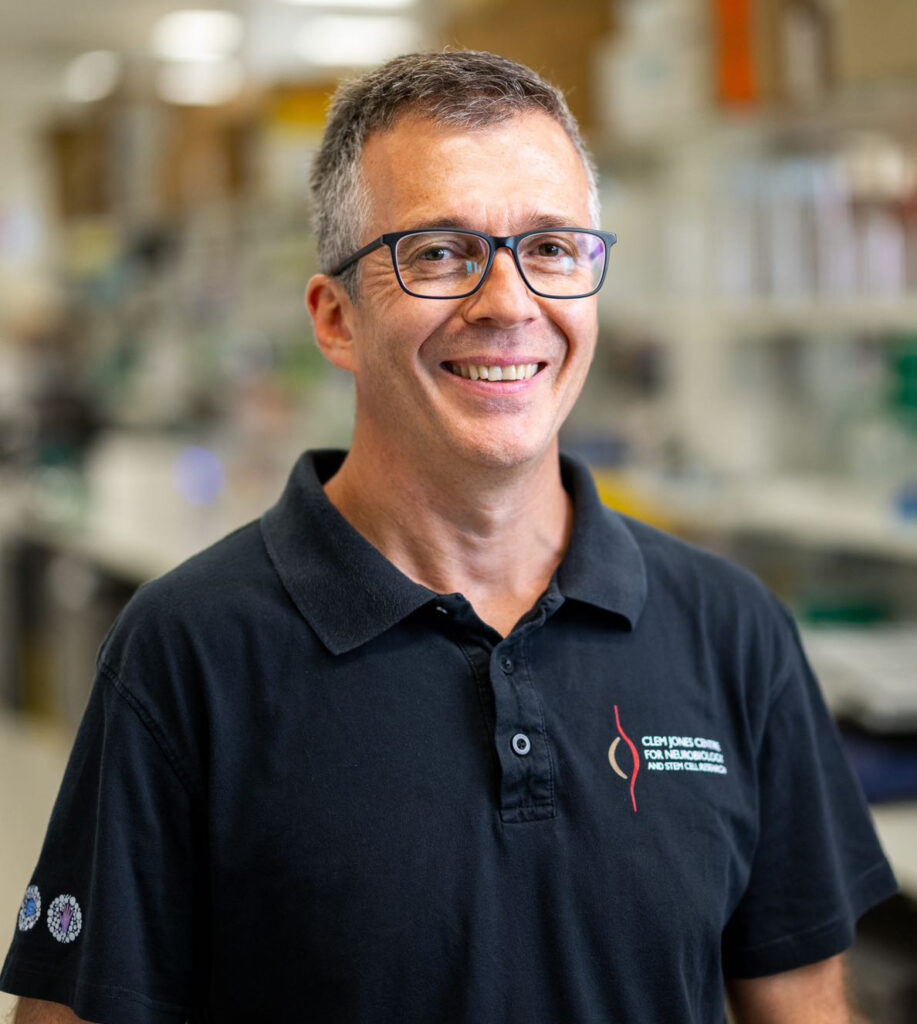
Professor James St John, Head of the Clem Jones Centre for Neurobiology and Stem Cell Research within Griffith's Institute for Biomedicine and Glycomics, said cells were like living drugs with many different roles depending on what was happening around them, and could act to treat injuries at different stages.
"The research team will identify cell products that act at different stages to target these various needs," Professor St John said.
A TBI could occur from a fall, vehicle or bike accident, assault, or a sport collision and could affect the human body in two stages: the primary injury could result in direct damage to the brain cells, and secondary degeneration which is caused by physiological responses to the primary injury.
During the secondary degeneration stage of TBI, the injury could worsen as the dead or injured cells released molecules which could cause further damage, and while healthy cells responded to try and repair the injury they could over-react and cause inflammation and ongoing damage.
This often results in an imbalance of damage versus repair and the outcome could lead to a permanent loss of function.
Professor St John's previous work on the Spinal Injury Project trial was the inspiration for the Cure TBI project.
"We are pivoting our spinal cord therapy research to apply it to TBI where we will use our current cell therapy plus modifications designed specifically for brain injuries," he said.
"We hope our translational and clinical trial experience with the Spinal Injury Project will create a therapy for treating brain injuries and ultimately advance to a clinical trial."
Minister for Finance, Trade, Employment and Training Ros Bates said: "This investment by the National Injury Insurance Scheme, Queensland in the Cure TBI project aims to change lives, improve recovery, and deliver better long-term prospects for people who have suffered a brain injury."
"To have such a vital project being spearheaded by Queenslanders speaks volumes and builds on our State's reputation as a leader in the scientific and medical research community."