
Perspective from UConn Health histology supervisor Kathleen Wiggins

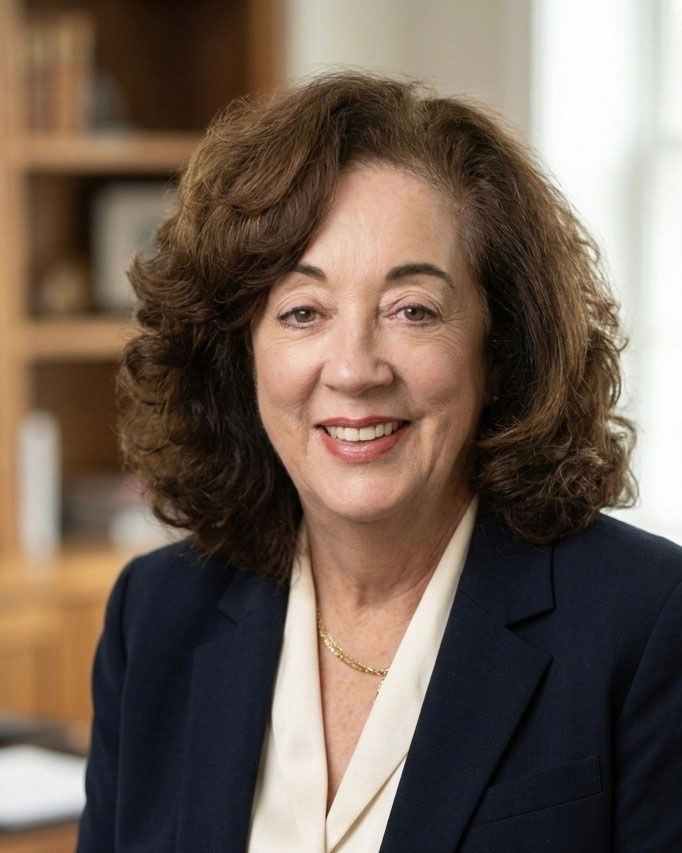
From left: UConn Health's Kathleen Wiggins (histology supervisor), Sarah Humphries (histotechnologist), Justyna Leosz (histotechnologist), Andrea Lee (histotechnologist), Richard Pabis (lab assistant), and Christine Burghardt (histotechnologist) celebrate the governor's proclamation of March 10, 2026, as Histotechnology Professionals Day, hanging on the wall behind them. (Photo by Carl Emery)
We are honored that the state of Connecticut has officially recognized March 10, 2026, as Histotechnology Professionals Day. This proclamation shines a light on a profession that works quietly behind the scenes but is foundational to modern medicine.
Histology is the science of preparing human tissue for microscopic examination. Every cancer diagnosis, every tumor margin assessment, and countless other life-altering medical decisions begin in the anatomic pathology laboratory. Before a pathologist can render a diagnosis, a histologist has carefully processed the tissue, embedded it in paraffin, cut it at 2 to 4 microns (thinner than a human hair), stained it, and prepared it for interpretation. Precision is not optional; it is essential.
At UConn Health, our histology team understands that what we do directly impacts patient care. Behind every slide is a patient waiting for answers. Our work demands technical expertise, critical thinking, and unwavering attention to detail.

I would also like to recognize Quentin R. Whitmore, PA, from St. Mary's Hospital. The fact that a pathologist assistant took the initiative to apply for and secure this proclamation on behalf of histologists is truly impressive. It speaks volumes about interdisciplinary respect and understanding of the critical role histology plays in patient care.
I am equally grateful to Dr. Enrique Ballesteros, whose consistent support of our histology team reinforces the collaborative relationship between pathology and the laboratory professionals who make diagnosis possible.
However, histotechnology is also a profession facing a significant workforce shortage. It is, in many ways, becoming a "dying breed." Training programs have declined nationwide, and fewer young professionals are entering the field, even as diagnostic volumes continue to rise. Recognition like this proclamation is important because it brings awareness to a highly specialized career that is essential to healthcare but often unseen.
Today we celebrate our histologists, the skilled professionals who transform tissue into answers. We are proud of the work we do, proud of our team, and grateful that our profession is being recognized at the state level.
Kathleen Wiggins, HT (ASCP), is the histology supervisor in UConn Health's Department of Pathology and Laboratory Medicine.


