
Demanding action from world leaders at CBD COP17 in Armenia, protesting a gas project in Australia, and calls for Big Tech regulations in Brazil, here are a few of our favourite images from Greenpeace work around the world this week.
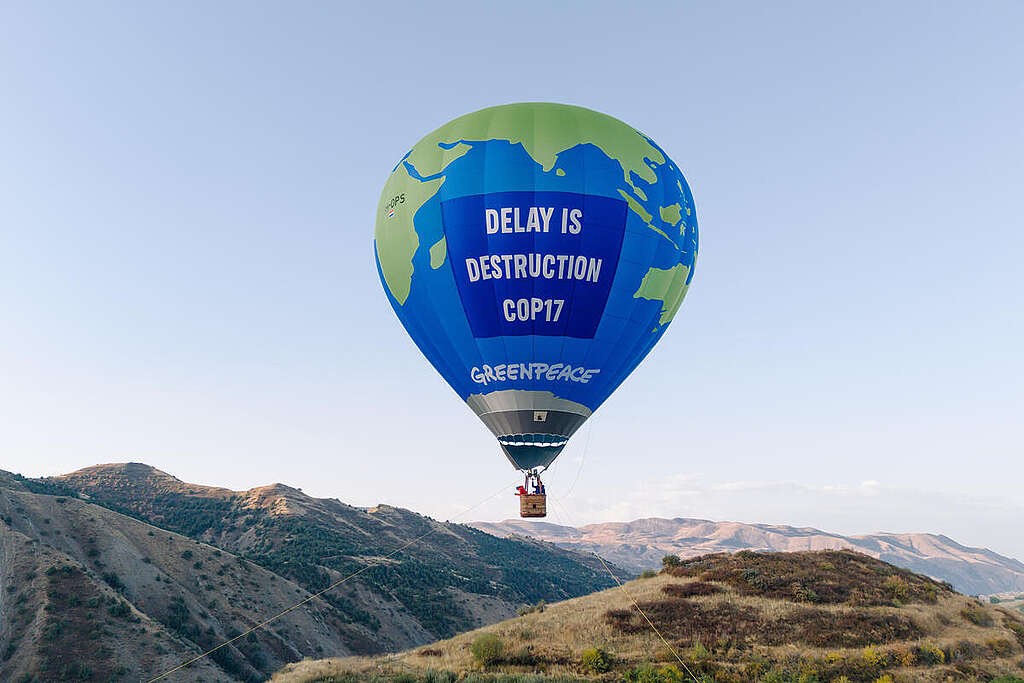
 Armenia – Activists send a message to world leaders at the Conference of the Parties (COP17) to the UN Convention on Biological Diversity (CBD). The 17th UN Biodiversity Conference, CBD COP17, takes place in Yerevan, Armenia, from 19-30 October, 2026. Greenpeace is at the CBD to demand governments address gaps in the implementation of the Kunming-Montreal Global Biodiversity Framework (KM-GBF) with concrete action, close the biodiversity finance gap, ensure quality of 30×30, from forests to the high seas, by safeguarding ecosystem integrity and respecting rights, and maximise synergies between climate and biodiversity action.
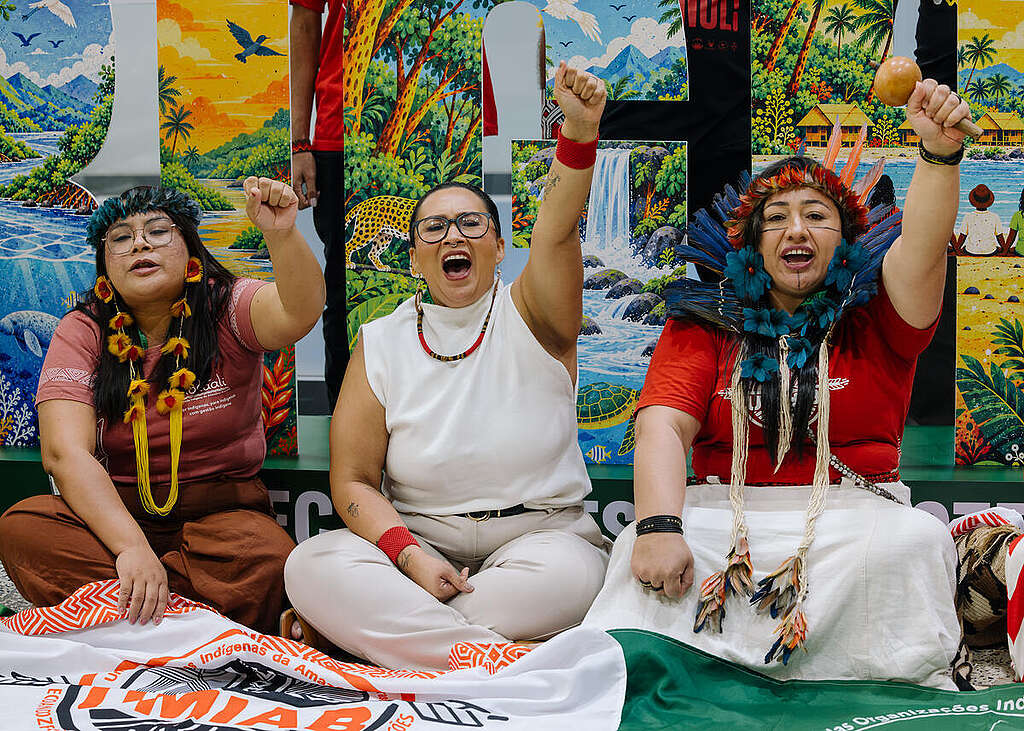
Armenia – Greenpeace International and Indigenous Peoples and local communities from around the world deployed an artistic installation to the centre of the UN Biodiversity Conference to demand delegates at CBD COP17 to recognise and respect the rights and roles of Indigenous Peoples and local communities as the foundation for achieving global biodiversity targets.
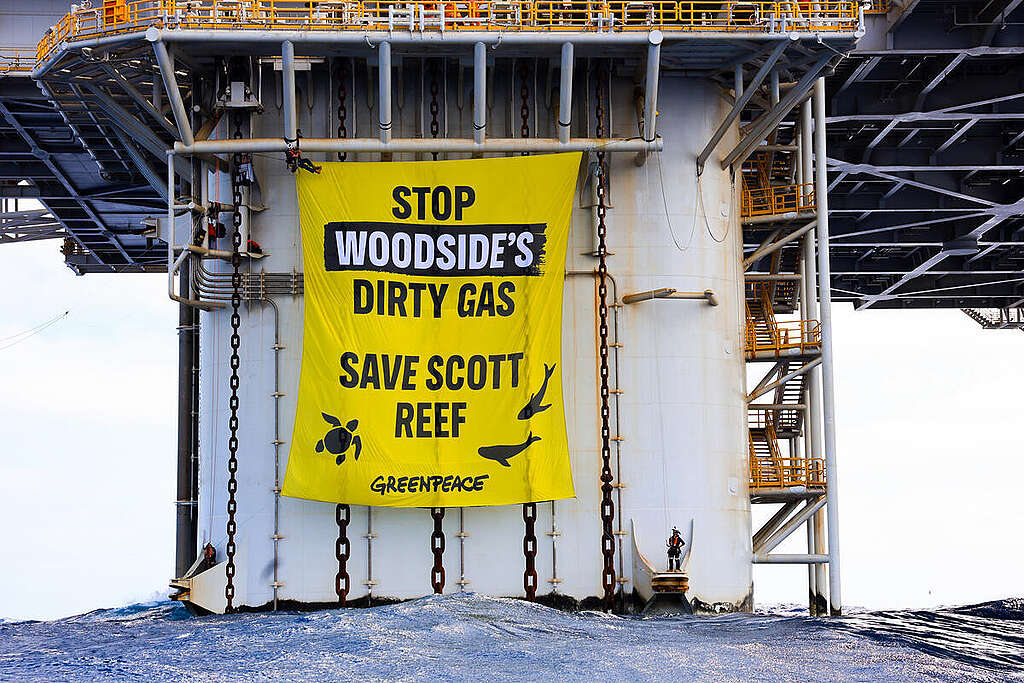
 Australia – Greenpeace activists deploy massive 14m x 12m banner that reads 'Stop Woodside's Dirty Gas. Save Scott Reef.' upon a Floating Production Unit at Woodside's Scarborough gas project over 200km off the coast of Exmouth in peaceful protest of Woodside's reckless plans to drill for oil and gas at Scott Reef.

 Mexico – The results of a water quality study conducted by Greenpeace Mexico in August 2026-involving community-based monitoring and laboratory analysis at 17 sampling sites, including wells and *cenotes* (sinkholes) across 6 locations in the state of Yucatán-confirmed contamination by organic matter, harmful bacteria, excess nutrients, and indicators of porcine fecal matter. Two additional studies, carried out in 2024 and 2026 by the *Red en Defensa del Agua y el Territorio Maya To'one Ja'o'on* ("We Are Water" Network) across five overlapping sites in 5 municipalities, confirmed-using the "Pig2Bac" method-that the source of the contamination is large-scale pig fecal matter. These analyses were performed at the laboratories of Johns Hopkins University (United States) and the National Autonomous University of Mexico (UNAM).
In response to these findings, the organisation carried out a symbolic intervention at one of the *cenotes* sampled last August. Through this action, they issued a firm call to the relevant environmental authorities to implement a moratorium, enforce strict regulations, or shut down this type of industry, while also demanding comprehensive protection for the Mayan Forest (both its surface and its subterranean environment).

 Brazil – Less than a week before the elections, Greenpeace Brazil joined hundreds of activists and civil society organizations at Meta's headquarters in São Paulo (Meta Platforms is an American multinational technology company) in a peaceful protest to send a clear message: Meta, keep your hands off our election! Thousands of complaints compiled by the CTRL+Z organization exposed serious failures on Meta's platforms that are interfering with Brazil's elections, manipulating social media, and threatening our democracy. We don't need anyone meddling in our choices. We urgently need regulation of Big Tech! Brazil decides Brazil's future.
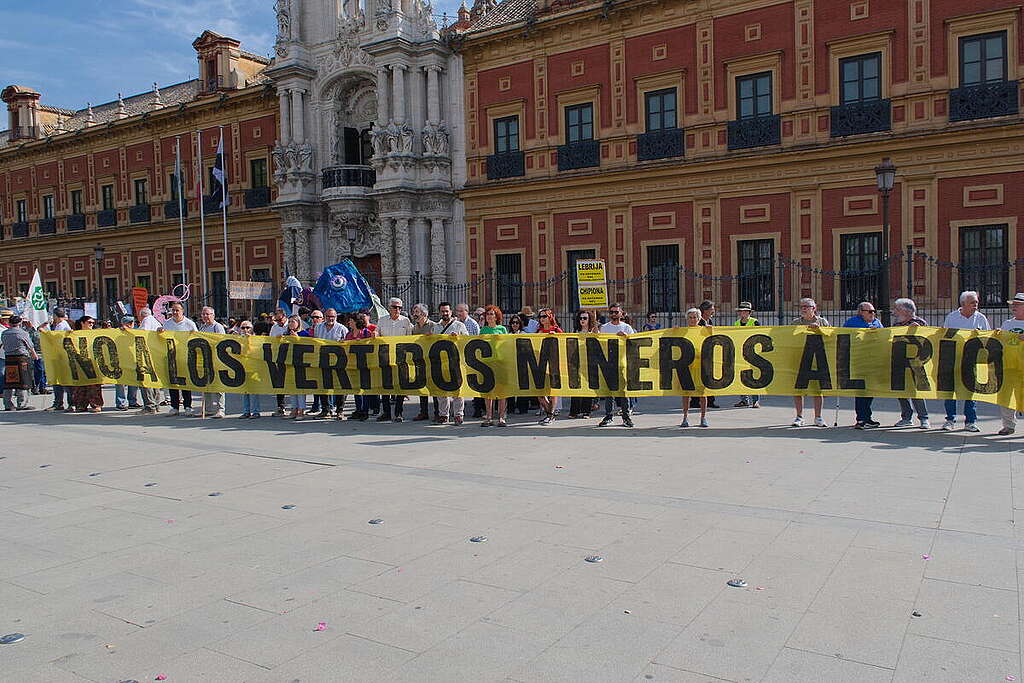
 Spain – A massive mobilisation of civil society and institutional groups including Greenpeace Spain is demanding that the Regional Government of Andalusia immediately revoke the permits for toxic discharges into the river's estuary.
Organisations warn of the risk of turning the Guadalquivir into a "sewer for mining waste" through the discharge of more than 115,000 million liters of water contaminated with heavy metals. These discharges threaten protected areas of high ecological value, such as Doñana and the Natura 2000 network, and also pose a threat to public health due to their impact on fisheries, agriculture, and the drinking water we obtain from aquifers.
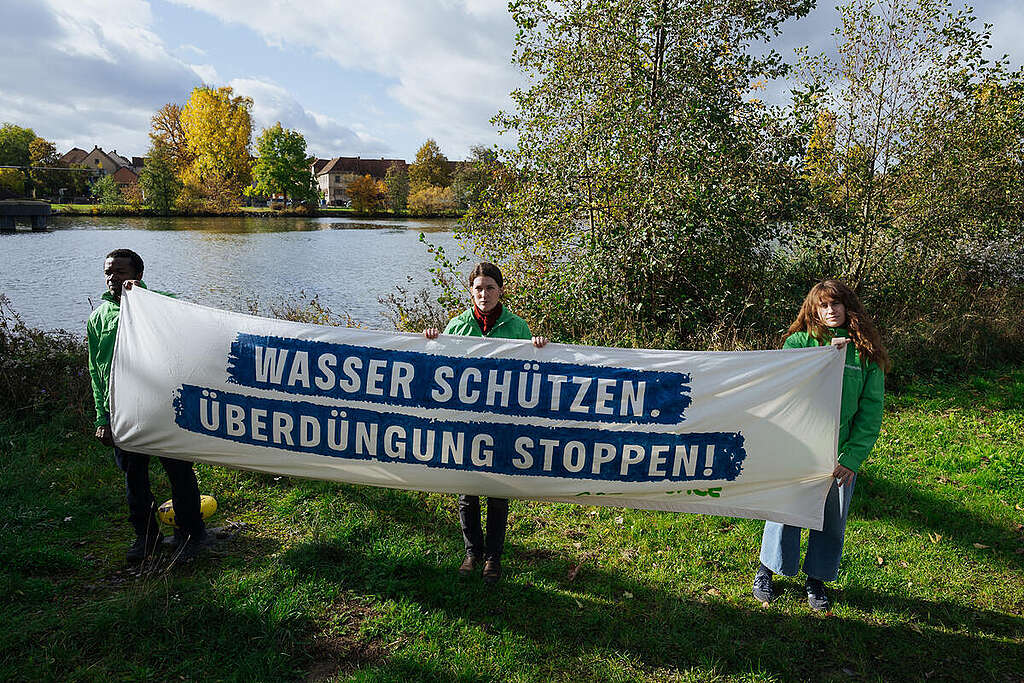
 Germany – Greenpeace agriculture experts measure nitrate levels in surface waters near Karlstadt in der Main-Spessart constituency, represented in the federal parliament by Alexander Hoffmann(CSU). The environmental campaigners take a water sample from the local stream and analyse the results on site.
Greenpeace has been a pioneer of photo activism for more than 50 years, and remains committed to bearing witness and exposing environmental injustice through the images we capture.
To see more Greenpeace photos and videos, please visit our Media Library.


