
Key points
- Hantaviruses are a group of viruses, found on every inhabited continent, carried by rodents, which shed the virus in their urine, faeces and saliva without becoming sick themselves.
- These viruses manifest in two distinct ways depending on the virus type, with symptoms either affecting the kidneys or respiratory system.
- While Australia has no recorded human cases of hantavirus, CSIRO experts are gaining new insights into why these viruses affect different parts of the body.
Recently, hantaviruses moved from the pages of medical journals into global headlines following the tragic deaths and illnesses of passengers aboard the MV Hondius. As the World Health Organization investigates several cases, many people are asking what hantaviruses are – and whether they should be worried.
According to Professor Glenn Marsh, a researcher at CSIRO's Australian Centre for Disease Preparedness (ACDP), hantaviruses are carried silently by rodents. While the animals don't get sick, they shed the virus in their droppings, urine, and saliva, which can infect people.
While these infections in people are rare, they highlight how close contact between humans, animals and the environment can sometimes allow diseases to spread.
One virus grouping, two different diseases
Hantaviruses are found on every inhabited continent and are carried by different species of rats and mice. In people, infections generally fall into two broad patterns of illness, depending on the strain involved. 
Kidney-focused illness: Haemorrhagic fever with renal syndrome (HFRS) occurs mainly in Europe and Asia. Symptoms include fever, headache, back pain, abdominal pain and, in severe cases, kidney failure and haemorrhage. The severity varies by virus.
- Hantaan virus, carried by the striped field mouse and responsible for severe disease in parts of Asia, has a case fatality rate of up to 15 per cent.
- Puumala virus, which circulates in Europe and is carried by the bank vole, causes a milder form with fatality rates typically well below one per cent.
Lung and heart-focused illness: In the Americas, hantaviruses are more likely to cause hantavirus cardiopulmonary syndrome (HCS), which is considerably more dangerous and more often lethal. HCS begins like influenza, with fever, muscle aches and fatigue, but can rapidly progress to severe respiratory failure as the lungs fill with fluid. Deaths from HCS exceed 35 per cent, making it one of the more lethal diseases spread from animals to humans in the Americas.
A widely reported hantavirus case in early 2025, involving the death of Betsy Arakawa (wife of actor Gene Hackman) at her home in Santa Fe, highlighted that exposure can occur even in everyday settings when infected rodents are present.
How do Hantaviruses spread?
Hantaviruses are primarily "zoonotic", meaning they spread from animals to humans. Hantavirus infections most often occur when people breathe in air that has been contaminated by the virus. When rodent droppings, urine, saliva or nesting material dry out and are disturbed – usually during cleaning, farming, camping – breathing in even a small amount of the airborne virus can be enough to cause illness. Less commonly, infection can occur through direct contact with an infected rodent, or rodent bites.
Person-to-person spread is not a feature with most hantavirus infections, unlike that seen with influenza and COVID-19, limiting infections often to single cases.
The risk of coming into contact with the virus is influenced by environmental conditions. In Europe, periods of abundant food can lead to increases in bank vole populations, which are often followed by a rise in Puumala virus infections in people.
An unusual exception: person‑to‑person transmission
There is one notable exception to the usual pattern of animal-to-human spread – the Andes virus, found in the Andean regions of Argentina and Chile. It is currently the only known hantavirus capable of direct person-to-person transmission.
Andes virus can, in rare cases, spread between people through close contact, most often within households or between intimate partners. This virus causes a severe lung-focused form of disease, and the fatality rate is estimated between 35 to 50 per cent. Because person-to-person transmission is unusual for hantaviruses, understanding this pathway is important for identifying cases early and limiting the spread of infection.
Do we have hantaviruses in Australia?
Australia is unique in the global hantavirus picture. It is the only inhabited continent where no confirmed human cases of hantavirus infection have been recorded.
However, antibodies to hantavirus have been detected in some Australian rodents, suggesting related viruses are likely present at low levels. 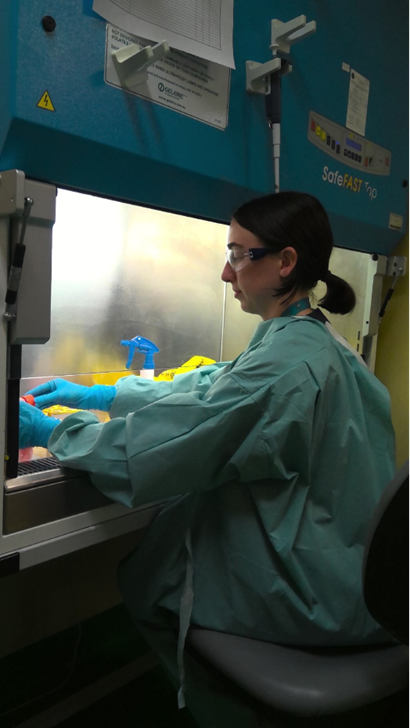
Several explanations for why there hasn't been any reported cases have been proposed. One possibility is the lack of diagnosis: perhaps Australian hantavirus only causes a mild, feverish illness with kidney involvement that could easily be attributed to other causes.
However, anyone who is unwell with persistent or serious symptoms such as respiratory issues should consult their GP for advice. This is especially the case for travellers returning from parts of Europe, Asia or the Americas.
Mice in Australia can carry other serious diseases such as leptospirosis , so it is important to follow safety guidelines when handling baits, dead rodents or contaminated items.
Should we expect hantavirus events to increase? Why?
Hantaviruses have a true One Health relationship, shaped by the interaction between people, wildlife and the environment.
Rodent population booms, driven by climatic conditions favouring food availability, regularly precede surges in human cases. Climate change, by altering the range and abundance of reservoir rodent species, is expected to shift hantavirus risk geographically, potentially bringing these viruses into areas where human populations have little prior exposure or awareness.
Land-use change matters too: deforestation, agricultural expansion and urbanisation bring humans into closer contact with rodent habitats, increasing the likelihood of spillover.
What research is CSIRO doing?
At CSIRO's Australian Centre for Disease Preparedness, researchers are working to understand why different hantaviruses can cause very different illnesses in people. Viruses in Europe and Asia tend to affect the kidneys, while those found in the Americas cause severe lung and heart problems.
Using advanced laboratory models that closely mimic human tissues, researchers study how hantaviruses infect cells and how the body responds to them. By comparing different hantaviruses side-by-side, researchers are gaining new insights into why these viruses affect different parts of the body.
This work is helping to explain how hantaviruses cause illness and why symptoms vary so dramatically, improving our understanding of zoonotic viruses that spill over from wildlife into people and supporting better preparedness for future health threats.


