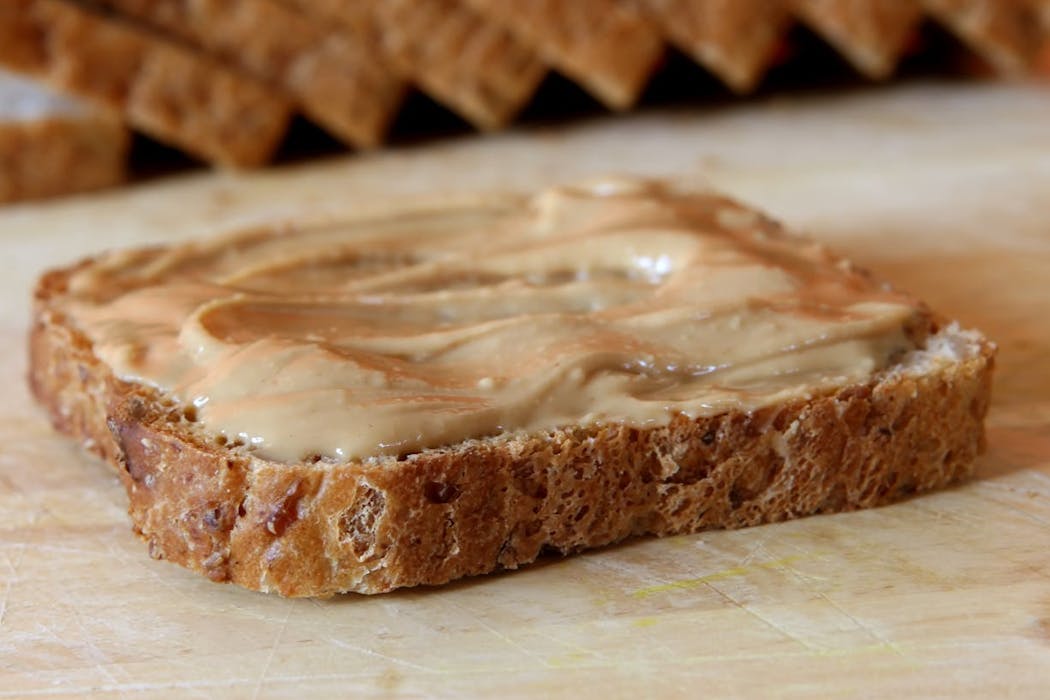
Once, the only nut butter on the supermarket shelf was peanut butter. Now you can also buy almond, cashew, hazelnut and macadamia nut butters, or blends.
Authors
- Lauren Ball
Professor of Community Health and Wellbeing, The University of Queensland
- Emily Burch
Accredited Practising Dietitian and Lecturer, Southern Cross University
So which is the healthiest nut butter to spread on your toast?
As we'll see, the healthiest is not just about the actual nut. It's also about what else goes in the jar.
What do they all have in common?
All nut butters are made from ground nuts that provide healthy monounsaturated and polyunsaturated fats, plant-based protein, fibre. They also provide essential minerals, such as magnesium, potassium, zinc and iron.
Across decades of research , regularly eating nuts is associated with a lower risk of heart disease and premature death. That benefit appears whether the nut is peanut, almond or cashew or any other type of nut.
But many commercial products contain vegetable oils, palm oil, salt, sugar, or stabilisers to improve texture and shelf life. These added ingredients dilute the nutritional quality and increase salt or kilojoules without providing any health benefits.
Choosing a nut butter made only from nuts (or nuts with minimal salt) means you get the full nutritional value.
How do I choose a nut butter?
Check the ingredients list. The healthiest options contain just one ingredient - nuts. Some added salt is fine, if minimal. But avoid products with seed oils (such as canola oil), palm oil, fillers or added sugars.
Looking at the nutrients in each nut butter per serve (a tablespoon, about 16 grams) can highlight how they differ. The numbers vary slightly by brand. But when the product contains 100% nuts, the numbers don't generally change dramatically between nuts.
To keep things simple, we've focused on peanut , almond and cashew butters:
protein: peanut butter wins slightly for protein content, at 3.84g per tablespoon, making it a solid choice for post-workout snacks or adding extra protein to your day. However, almond (3.36g) and cashew butters (2.82g) aren't far behind. So they still contribute meaningful protein to your diet
fat: almond butter takes the top spot for healthy fats (8.88g per tablespoon), followed closely by peanut (7.98g) and cashew butter (7.9g). The fats in nuts are mainly heart-healthy monounsaturated and polyunsaturated fats, which have been associated with improved cholesterol levels and reduced inflammation
carbohydrates: cashew butter contains the most carbohydrates (4.42g per tablespoon), which might be important if you're looking for quick energy before a workout or if you have type 1 diabetes and are adjusting your medication based on your carbohydrate intake. Then comes peanut butter (3.49g), followed by almond butter (3.01g)
fibre: almond butter takes the lead for fibre (1.65g per tablespoon) followed by peanut butter (1.06g). Cashew butter lags significantly behind (0.32g), about one-fifth of the almond butter's content. This makes cashew butter the weakest option if you're relying on nut butter to contribute to your daily fibre intake
calcium: almond butter dramatically outperforms the others for calcium, with 55.5 milligrams per tablespoon. This offers about eight times more than peanut butter (6.56mg) and cashew butter (6.88mg). This makes almond butter an excellent choice for bone health, especially if you avoid dairy
potassium: both peanut and almond butter tie for potassium content (120mg per tablespoon). This makes them useful for supporting healthy blood pressure and muscle function. Cashew butter contains 87.4mg
iron: cashew butter leads the pack for iron (0.805mg for tablespoon), followed by almond butter (0.558mg) and peanut butter (0.304mg). This is particularly relevant for people with higher iron needs, such as those menstruating, pregnant or breastfeeding, or people following plant-based diets. But overall, nut butters are not a meaningful source of iron
zinc: cashew butter (0.826mg per tablespoon) offers nearly twice the zinc of peanut butter (0.445mg). Almond butter's zinc content is in the middle (0.526mg). This makes cashew butter valuable for immune function and wound healing
selenium: cashew butter provides the most selenium (1.84 micrograms per tablespoon), an important antioxidant mineral that supports thyroid function. Peanut butter comes in second (1.2µg), while almond butter contains notably less (0.384µg)
magnesium: almond butter leads for magnesium (44.6mg per tablespoon). Close behind is cashew butter (41.3mg), then peanut butter (25.4mg). This mineral is crucial for muscle relaxation, sleep quality and energy production.
In a nutshell
Each nut butter has distinct nutritional advantages:
peanut butter leads in protein and ties with almond butter for potassium, making it ideal for muscle support and feeling full
almond butter is the standout for calcium, and is also higher in fibre, magnesium and heart-healthy fats. This makes it an excellent choice for bone health, digestion and cardiovascular support
cashew butter is naturally sweet and is the strongest source of minerals such as iron, zinc and selenium. These are essential for immune function, energy production and thyroid health. However, it is the lowest in both protein and fibre. So while it contributes valuable micronutrients, it's better suited as an occasional option rather than a primary protein source.
Any concerns?
Often, almond and cashew butters are processed on equipment that's been used to process peanuts or other nuts. So traces of one nut may appear in another nut butter, which is stated on the label. So if you have a specific nut allergy, check labels carefully.
The cost also varies. Almond and cashew butters are usually slightly more expensive (at around A$2.40 per 100g ) compared with about $1.82 per 100g for peanut butter.
What now?
No single nut butter reigns supreme as each brings different nutritional strengths.
The smartest approach would be to keep more than one on hand, choose versions made from 100% nuts, and let your taste preferences and nutritional goals guide you.

Lauren Ball receives funding from the National Health and Medical Research Council, Health and Wellbeing Queensland, Heart Foundation, Gallipoli Medical Research and Mater Health, Springfield City Group. She is a director of Dietitians Australia, a director of the Darling Downs and West Moreton Primary Health Network and an associate member of the Australian Academy of Health and Medical Sciences.
Emily Burch does not work for, consult, own shares in or receive funding from any company or organisation that would benefit from this article, and has disclosed no relevant affiliations beyond their academic appointment.