
A new research project will decode historical texts to uncover lost horticulture methods and techniques to find out whether they could provide new solutions for plants that are difficult to grow and multiply.
Experts in horticulture, linguistics and artificial intelligence from the University of Nottingham have secured funding from UKRI to delve into the archives of the Royal Horticultural Society (RHS) to investigate what the historical texts can reveal to help solve current plant propagation problems, including finding successful sustainable peat-free media solutions.
Plants have been shared between plant hunters, collectors and growers for hundreds of years, often using cuttings – much like gardeners do today. The hints and tips they shared have been captured in the texts held in the RHS library.
Uncovering these gardening secrets through careful analysis of these texts is one of the project goals. Once methods of propagation have been identified from the records, they will be trialled in the glasshouses at the University of Nottingham and then the active ingredients identified using modern analytical technologies.
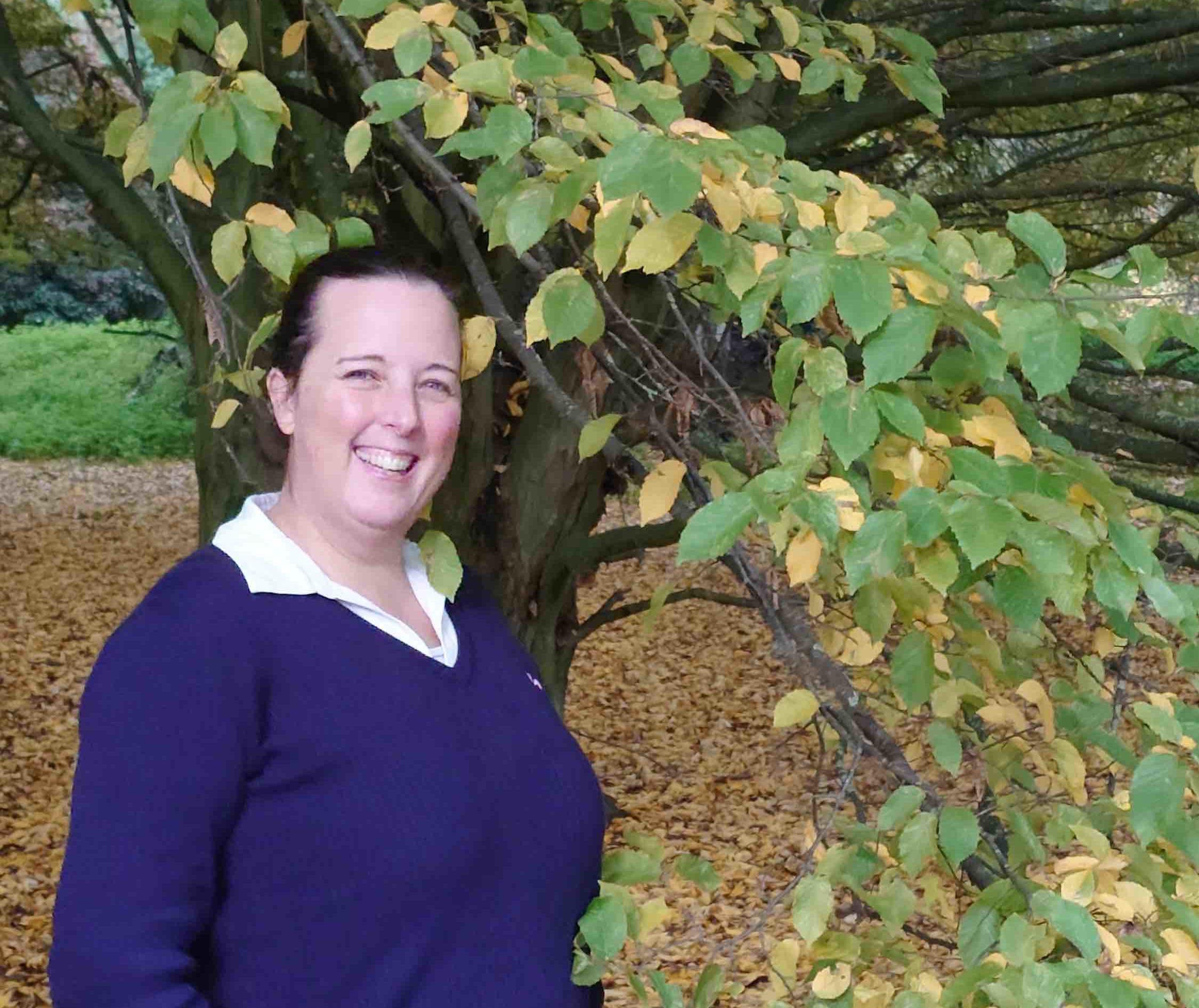
Across history, plant propagation has been essential for both medicinal and food production practices. The UK boasts a rich tradition of plant cultivation dating back to medieval times, where gardens served as vital sources for medicinal herbs. However much of the knowledge surrounding historical plant propagation has been lost over time.
Dr Rasmussen continues: "As we face pressing challenges related to biodiversity loss, sustainability and the urgent need to meet net-zero carbon targets, uncovering and understanding these historical practices, like the use of peat-free media, could provide innovative solutions for modern plant production demands."
The team will study historical documents and decipher the evolving language, spelling and botanical terms. Dr Christina Lee from the School of English, an expert on medieval plant remedies, will lead this part of the project.
Plant names change over time and they can therefore be difficult to detect. Gardens in the pre-modern period were also conceptualised somewhat differently and we need to understand the culture which underlies the publications to find the right texts to explore.
Computer scientists will also develop AI search tools digitise and track the texts, creating glossaries that will have broader applications in research areas, such as tracing plant species and disease movement over time.
The sheer variety of texts the RHS holds provides a unique challenge for computer vision and AI. Our models will need to adapt to handwritten text and print media that has evolved across centuries.
Dr Rasmussen adds: "This project is so exciting as it is combining modern science with historical research and harnessing the power of AI to advance the field of plant propagation and enrich our understanding of societal relationships with plants."


