
• Researchers developed a new technology that tracks immune cells after they consume dead cancer cells.
• The study reveals how tumors reprogram these immune cells to promote cancer growth instead of fighting it.
• The reprogrammed immune cells stimulate the formation of blood vessels that nourish tumors.
• Patients whose tumors contained more of these altered immune cells had lower survival rates.
• The findings identify a promising new therapeutic target for future cancer treatments.
Researchers at Tel Aviv University's Gray Faculty of Medical and Health Sciences have uncovered how a natural and essential immune system process can be hijacked to promote cancer progression. In a new study, the research team developed an advanced technology that enabled them to track macrophages, immune system cells, in real time and reveal how they alter their behavior within a cancerous tumor after consuming dead cancer cells. Their findings may pave the way for the development of new treatments targeting the specific macrophages identified in the study, restoring the immune system's ability to fight the tumor instead of helping it.
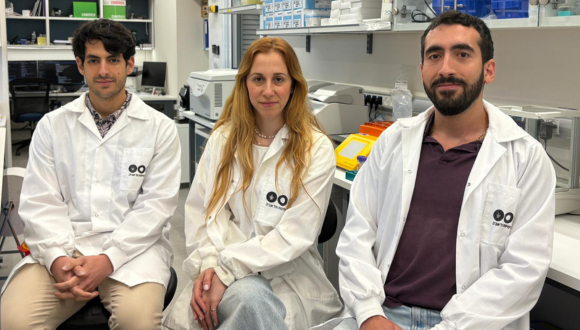
The study was led by Dr. Merav Cohen and doctoral students Roi Balaban and Ori Moskowitz of the Gray Faculty of Medical and Health Sciences at Tel Aviv University. It was published in the prestigious journal Science Immunology.
When the Immune System Changes Sides
At the heart of the study are macrophages, immune cells whose role is to clear the body of damaged and dead cells. This process is essential for maintaining tissue health and preventing inflammation. However, the researchers discovered that within the environment of a cancerous tumor, this same mechanism can take an unexpected turn: instead of helping the body, it causes immune cells to adopt characteristics that actively support tumor growth.
To understand how this occurs, the researchers developed an innovative method called Effero-seq, which enables the tracking of changes that occur in immune cells after they engulf dead cells. Using this technology, the team found that as the process progresses, the immune cells undergo "reprogramming" and begin activating genes that promote tumor development.
Tracking Tumor-Supporting Immune Cells
Using a melanoma model, the researchers found that macrophages that had consumed dead cancer cells stimulated the formation of new blood vessels within the tumor. These blood vessels supply the tumor with oxygen and nutrients, enabling it to grow more rapidly. At the same time, these macrophages lost some of their ability to respond to signals that trigger anti-cancer immune activity.
The researchers also analyzed data from patients with uveal melanoma, a form of eye cancer. They found that patients whose tumors contained higher expression of immune cells bearing the genetic signature identified in the study tended to have lower survival rates.
According to Dr. Cohen, the findings provide a new perspective on how cancerous tumors manipulate their surroundings and harness the immune system for their own needs. "The better we understand these mechanisms, the better equipped we will be to develop treatments that block them and restore the immune system's ability to fight cancer," she says. "This research points to a new and promising therapeutic target, one that focuses not only on the cancer cells themselves, but also on the processes that enable them to thrive."


