The image and identity of the samurai were shaped through exchange with global cultures, say researchers ahead of the opening of a major exhibition at the British Museum tracing the history of the famous Japanese warrior.
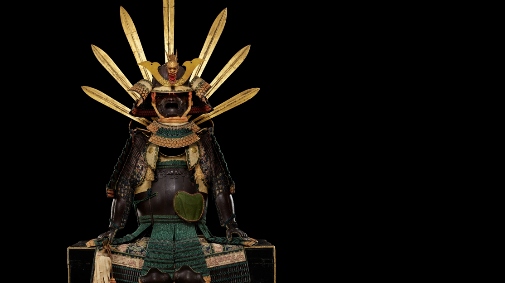 Suit of armour and helmet in iron, silk, wool, leather, gold and lacquer. Image credit: The Trustees of the British Museum
Dr Rosina Buckland, Asahi Shimbun Curator at the British Museum, and Professor Oleg Benesch, from the University of York, have collaborated to bring the exhibition Samurai to London in February, as well as a new book tracing the evolution of the samurai and their representation over the past 1,000 years.
They will also lead a public 'In Conversation' event about their findings at the University of York on 16 February, hosted by University Art Curator, Dr Helena Cox.
The exhibition is the first to explore how the samurai image and myth was created - from the medieval period to the present day. One hundred and fifty years after the samurai were abolished as a social class, their image is stronger than ever from museum displays across the world, to video games, movie screens, and comic books.
Foreign ideas
One of the exhibition's highlights is a rare portrait of Itō Mancio by Domenico Tintoretto from Milan, which depicts a 16-year-old samurai who led an embassy to the Vatican in 1582. The visit marked Japan's first diplomatic mission to Europe and a pivotal moment in the country's encounter with the West, following the arrival of Christianity through Portuguese traders and missionaries in 1545.
Professor Benesch, research partner of the British Museum exhibition, and Head of the Department of History at the University of York, said: "The story behind the global obsession with the samurai is far more complex than the familiar image of the lone warrior living by an ancient code.
"From their origins to their modern revival, the samurai were shaped by foreign ideas and interactions with other cultures, and they were fundamental in how the world understands Japan to this very day."
Social model
Alongside the exhibition, Professor Benesch and Dr Buckland have co-authored a book, and are editing a series of research papers by a team of more than 20 international scholars. These publications demonstrate the influences on the samurai flowed in from China, Korea, Europe, and elsewhere, even as the samurai were influencing views of Japan around the world.
Visitors to the British Museum exhibition will learn that to the outside world, Japan was a land of fierce warriors, admired for their bravery and discipline, but feared for their supposed ruthlessness. These impressions shaped diplomacy, trade, and eventually warfare.
Researchers argue, however, that inside Japan the samurai became a powerful social model. Samurai stories filled novels, plays, and popular entertainment consumed by all classes.
Enduring stereotypes
Professor Benesch said: "The tales of the samurai in Japan helped shape ideas about masculinity, emotional restraint, social hierarchy, and gender, with women also playing important roles in warrior society. The samurai were often depicted as moral exemplars, until they were abolished as a class in the 1870s as part of a drive to modernise Japan.
"For a period of time they were relics of the past, but by the 1890s, with unease growing about the Western influences on Japanese culture, and alongside Europe's nostalgic revival of knights, chivalry, and castles, people in Japan began to also look back to the samurai as a symbol of national character, discipline, and morality.
"Views of the samurai changed in the years before World War Two, when the Japanese warrior was increasingly portrayed as a patriotic and self-sacrificing hero figure within Japan, reinforced by wartime propaganda. To Japan's enemies, including Britain and the United States, the samurai became a brutal and unrelenting figure. All of these stereotypes influence views of the samurai to this day."
Cultural exchange
Many items in the exhibition will be on display for the first time, including a suit of samurai armour, newly acquired by the Museum. Its helmet and golden standard, shaped like iris leaves, were designed to make the wearer both identifiable and fearsome.
Dr Buckland said: "Bringing the exhibition to the world has been a labour of love, with a decade of research, consultation and partnership, and what most stood out for us is that the samurai cannot be understood in isolation. Their image was shaped through centuries of cultural exchange, misunderstanding, admiration, and reinvention.
"We have learnt as much about the world's fascination with warriors and ideas of national identity as we have Japan itself, and so it was clear to us that this exhibition had to be about what the samurai was to all of us, and how there remains great fascination with the many things they represent."
Samurai opens at the Sainsbury Exhibitions Gallery, British Museum, from 3 February and runs until 4 May 2026. Tickets to hear Professor Benesch and Dr Buckland discuss the research that informed the exhibition are available now from the York events webpages.
The illustrated book, Samurai, written by Dr Rosina Buckland and Professor Oleg Benesch, has been published by the British Museum Press and is available to order.