
• People with albinism in Malawi face discrimination in hiring, education, and access to social security.
• Fear of violence, stigma, and lack of workplace accommodations undermine safe and dignified work.
• Government should strengthen implementation of disability rights protections and expand inclusive employment.
(Nairobi) - People with albinism in Malawi face discrimination in employment, barriers to education and social protection, and ongoing insecurity linked to harmful myths and past attacks, Human Rights Watch and the African Albinism Network said today in a joint report. The report was released ahead of International Albinism Awareness Day on June 13, 2026.
The 65-page report, "'I Just Want to Work Without Fear': Discrimination and Violations of the Right to Work for Persons with Albinism in Malawi," documents how stigma, discrimination, fear of violence, and lack of reasonable accommodation undermine the rights of people with albinism to work, education, health and social security.
"People with albinism in Malawi are being denied equal access to work because of discrimination, stigma, and fear," said Elizabeth Kamundia, disability rights director at Human Rights Watch. "The government has taken important legislative and policy steps, but without implementation and funding, many people with albinism will continue to face exclusion, poverty and insecurity."
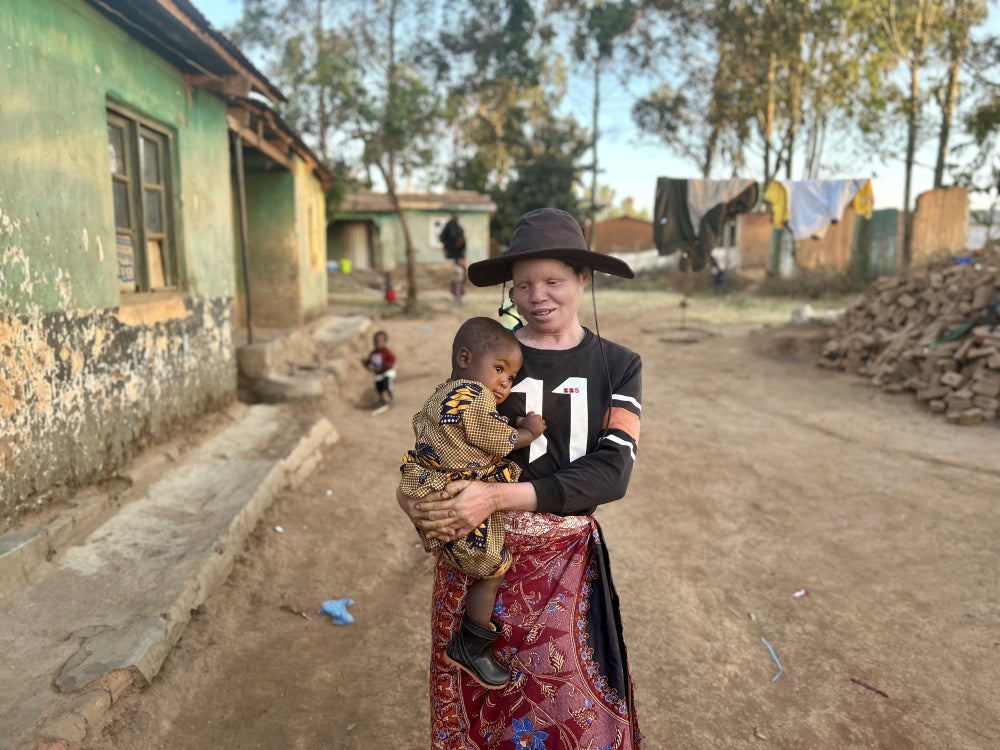
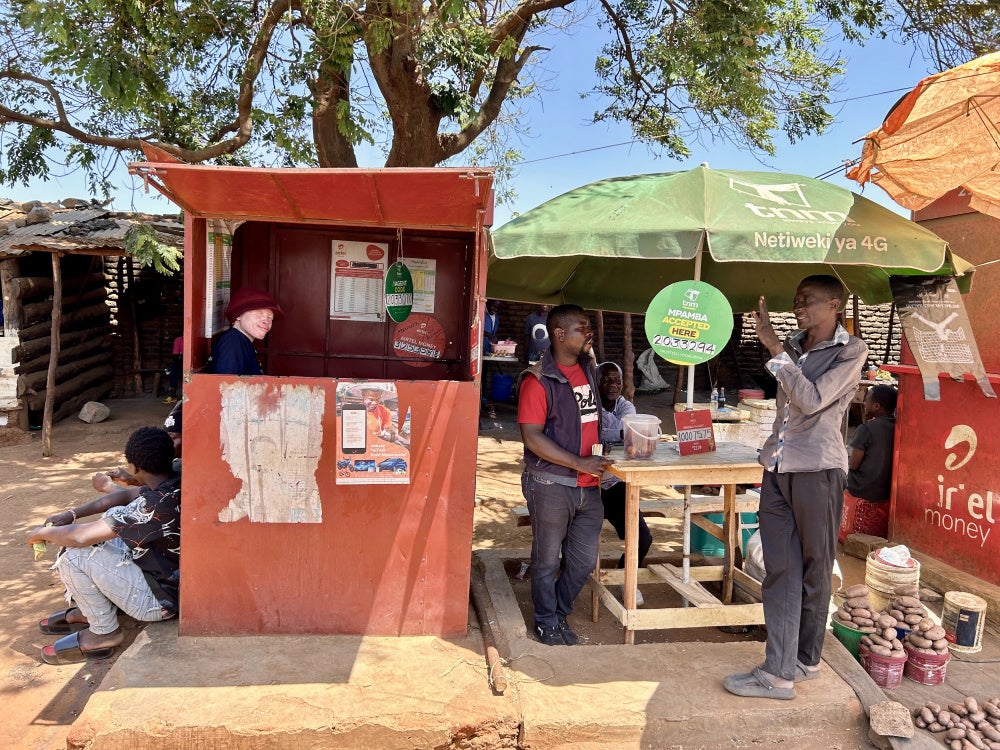
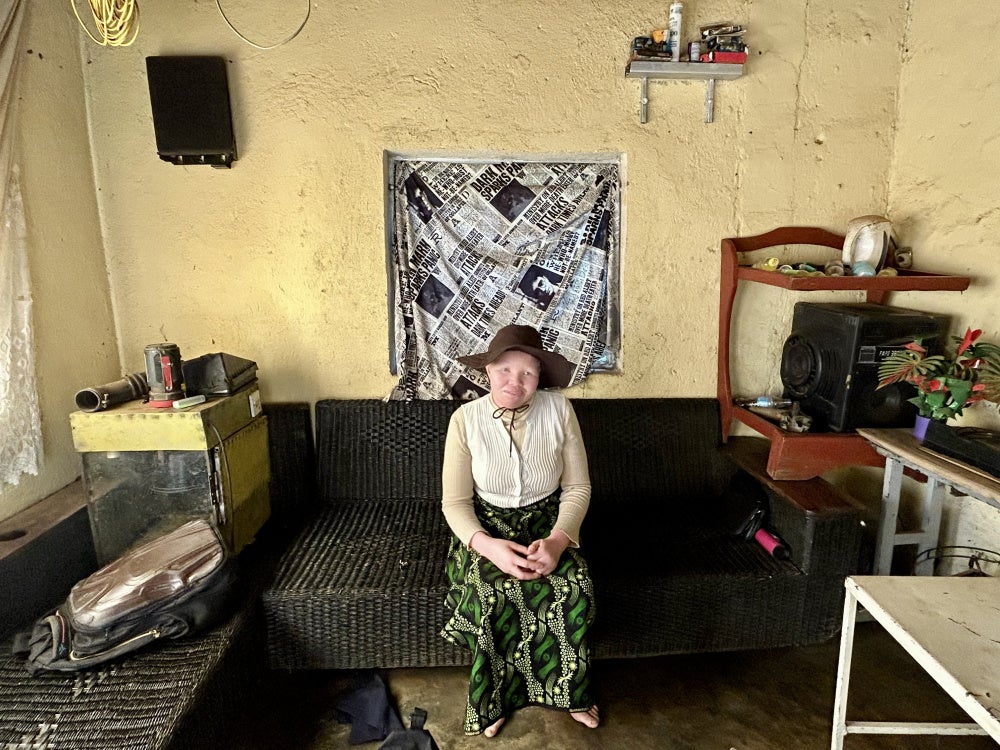
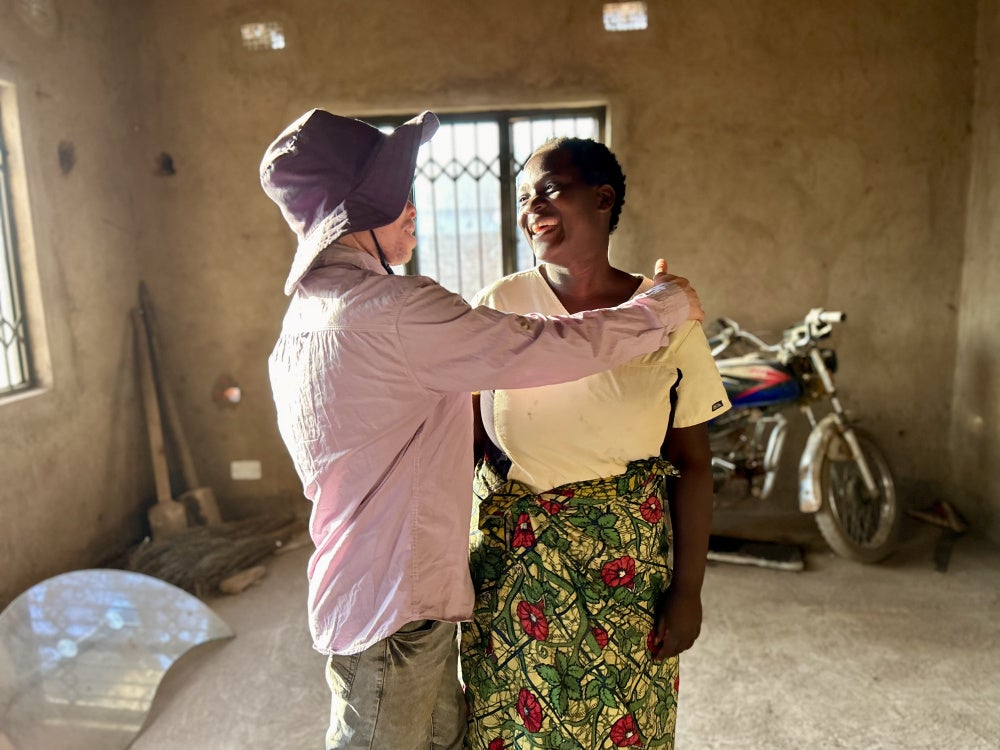
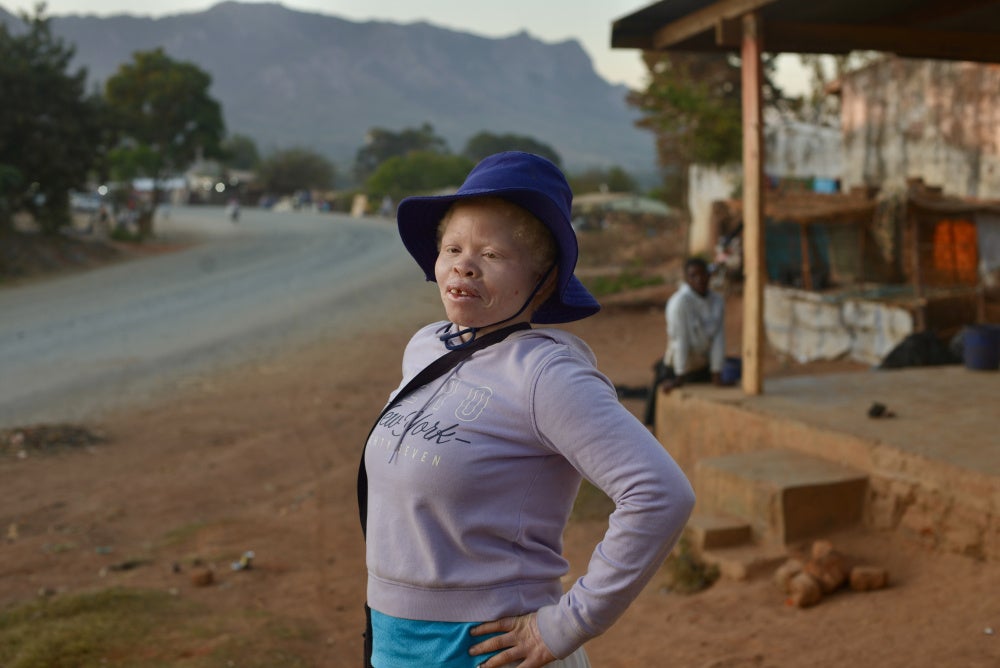
The groups interviewed 96 people between October 2025 and April 2026, including 80 people with albinism, across 9 districts in Malawi. Researchers also reviewed national legislation and policies and reports, including from the United Nations and the World Bank. Human Rights Watch and the African Albinism Network presented preliminary findings and recommendations to government officials and other stakeholders in May.
In Malawi, an estimated 134,600 people have albinism, a genetic condition characterized by reduced or absent melanin, often resulting in low vision and extreme sensitivity to ultraviolet radiation. Across sub-Saharan Africa, people with albinism are at significantly heightened risk of skin cancer. In Malawi and elsewhere in the region, harmful myths and beliefs about albinism have fueled killings, abductions, sexual violence, and grave desecrations.
Although reported attacks against people with albinism have declined in recent years, the legacy of violence continues to shape their daily life. Many people interviewed said they limit their movement, avoid isolated areas, or avoid certain work opportunities-particularly those involving travel or isolated working conditions-because of fear. In some communities, people with albinism are referred to as "money," reflecting the belief that their body parts can be sold for profit. People interviewed described routine verbal abuse and harassment in public spaces, workplaces, and markets.
"When you send in your application, they don't know you have albinism," said Rose M., whose full name is withheld for her privacy. "When you show up for the interview, the facial expressions tell you everything. When I walked into the boardroom, I heard gasps."
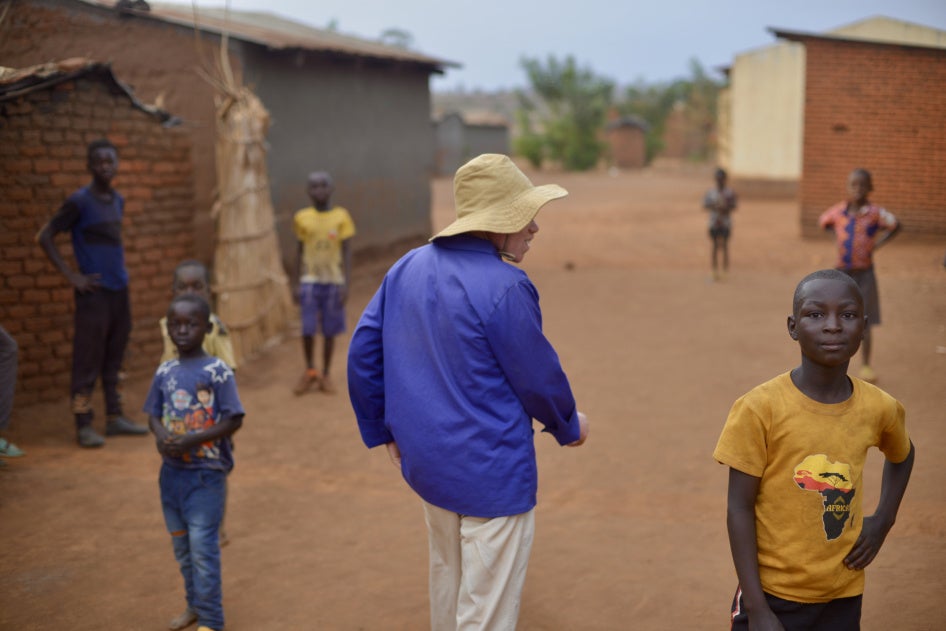
Discrimination begins early, researchers found, although some progress has been made to improve inclusion in education. Children with albinism face bullying and inaccessible learning environments. While Malawi has expanded measures such as providing large-print materials for national examinations, many students lack adequate support in everyday learning environments. These barriers contribute to high dropout rates.
As adults, many people with albinism reported being denied jobs after employers saw their appearance, excluded from public-facing roles, or rejected based on assumptions that they were incapable, fragile, or a liability. Employers frequently failed to provide reasonable accommodations such as sunscreen, protective clothing, large-print materials, or adjusted work schedules.
Together, these barriers drive economic and social exclusion and high rates of poverty for people with albinism, affecting their health as well as education and employment.
Nearly 88 percent of people in Malawi live in rural areas, where formal employment opportunities are limited and many people, including people with albinism, rely on subsistence farming and informal labor for incomes. For people with albinism, prolonged exposure to the sun can cause severe skin damage and increase the risk of skin cancer. Several people interviewed described continuing to work outdoors in unhealthy or unsafe environments despite serious health conditions because they had no alternative source of income.
Researchers also found that many people with albinism struggle to access social security programs, including cash transfers and agricultural subsidies. Some said community leaders excluded them from assistance programs because of misconceptions that they already receive support from government or aid organizations.
The findings are consistent with research by the Malawi Human Rights Commission, disability rights organizations and UN human rights bodies.
Women and girls with albinism face compounded discrimination linked to gender, disability, and albinism. People interviewed described heightened risks of sexual violence, harassment, abandonment, and economic dependence, all of which undermine their participation in work and public life.
Malawi's legal framework includes strong protections on paper. The 2024 Persons with Disabilities Act prohibits discrimination in employment and guarantees reasonable accommodation, equal pay for work of equal value, and inclusive workplaces. Malawi also adopted a new National Disability Policy in 2025 and is expected to release a strengthened National Action Plan on Persons with Albinism later in June.
However, implementation remains weak. Human Rights Watch and the African Albinism Network found limited awareness of the law among officials, insufficient funding, lack of implementing regulations, and weak enforcement mechanisms.
The Malawian government should fully implement and adequately fund the National Action Plan on Persons with Albinism; strengthen enforcement of antidiscrimination protections; expand access to inclusive education, vocational training, and social protection; and ensure meaningful participation of people with albinism in decision-making.
"People with albinism in Malawi do not want charity or pity: they want equal opportunity, safety, dignity, and a sense of belonging, along with the chance to work without fear," said Bonface Massah, executive director at the African Albinism Network. "The government, employers, and communities all have a role to play in dismantling stigma and ensuring that persons with albinism can fully participate in society on an equal basis with others."
Selected Quotes
"In the community, I've been called many things, including 'not human,' 'where do you come from?' and 'stupid.' I walk in the community with fear. If they say these things to my face, what do they hold in their heart against me? I don't know what else they will do to me.… I am afraid that I might be attacked, beaten up, or even killed. The fear keeps my movements close to home. I feel anxious when I go further. I just want to work without fear."
- Mphatso C., 19, Dedza district
"The climate is so hard for persons with albinism, especially women. I had to farm under the sun because I had kids to feed and had no choice."
- Chinsisi Gama, tailor from Dowa district
"People are happy to contact me when they see my artwork, without seeing me. The moment they meet me … they immediately have second thoughts, and they begin to doubt my capabilities."
- Smart Vinti, graphic designer, Blantyre


