
Stigma, male-centric systems, and structural neglect have rendered homeless women's menstrual health largely out-of-sight and out-of-mind, according to the authors of a study by the University of Southampton.
The researchers say more openness and discussion about the issue is desperately needed to give women dignity, greater access to sanitary products, and improve their wellbeing.
Period poverty is a global problem and one which women, non-binary, trans, and gender non-conforming people who menstruate, face every day in the UK. Menstrual health management creates significant challenges to women on a low income, particularly if they can't afford proper sanitary products.
"The government has recently made a welcome and bold commitment to end rough sleeping in the UK. We're calling for this ambition to include dignity for women experiencing homelessness - starting with listening to their lived experience and supporting their menstrual health needs," says lead investigator and PhD researcher Frances Greenway from the University of Southampton.

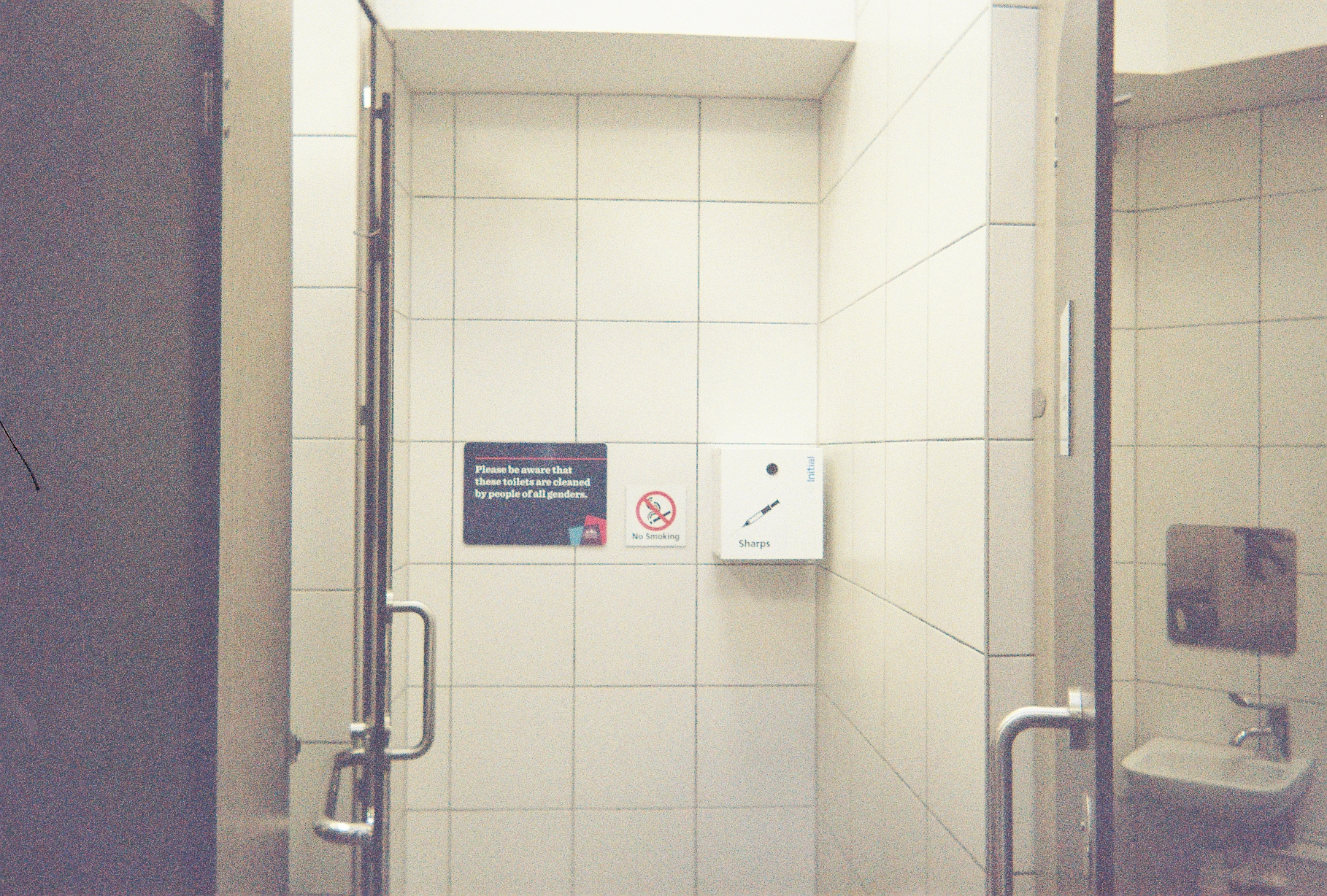
"A lack of free access and choice in period products, restricted toilet facilities and limited privacy puts women in vulnerable positions. Often they are prevented from using public toilets due to a misconception that they want access to take drugs, leaving women with even fewer safe, dignified options."
Psychologists at the University conducted small-scale, but in-depth interviews with a group of homeless women, and spoke to frontline and management staff in the homeless care sector. They asked the homeless participants to take part in 'photovoice' research - a method which uses self-generated photos to spark discussion about experiences and feelings.
Findings are published in the Journal of Social Distress and Homelessness .
Homeless women highlighted that stigma often prevented open discussions about their needs and raised the issue of inconsistent access to free menstrual products and places for their safe disposal.
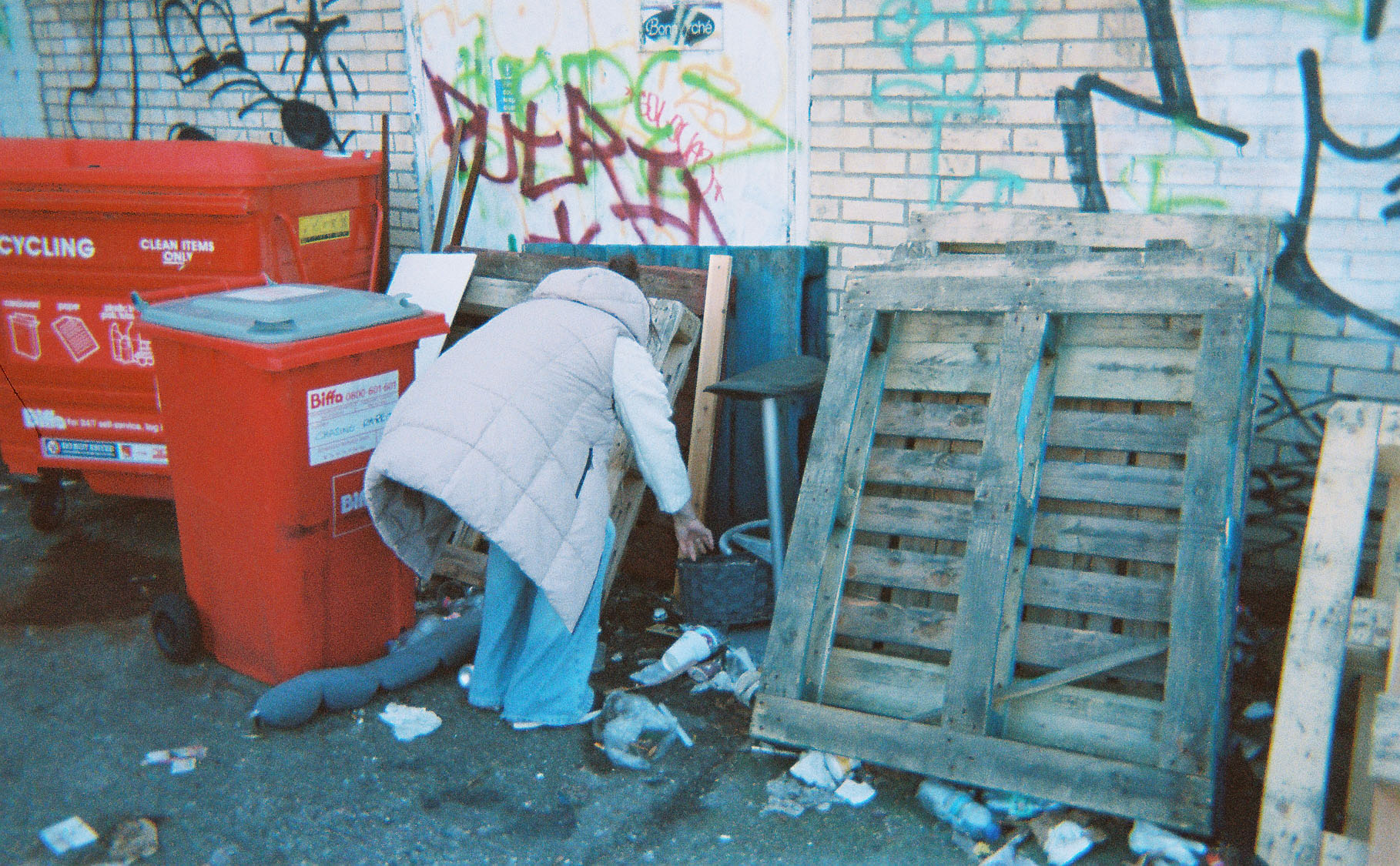
"They can find themselves 'making do' with cloth or toilet paper during their period and changing period products on the street, in parks, or even behind rubbish bins. Very sadly, women talk of feeling ashamed and embarrassed," explains supervising author, Dr Stephanie Barker from the University of Southampton.
In fact, stigma emerged as a pervasive theme throughout the study with participants describing internalised shame, social disgust, and institutional silence around menstruation.
Women also said that a male-dominated design of services can be a barrier to providing adequate facilities, such as for washing and changing, and to asking for help.
As lived-experience study participant Bonnie* put it: "The homeless scene is so male dominated that women menstruating while homeless is such a minute point when it comes to the scene of being homeless."

Despite this, professional stakeholders said male workers do want to be more supportive and informed. As one, Amara, said: "[Men] want to be more supportive but don't know where to start or don't know how to be an ally to something that they don't personally experience."
Both groups raised concerns about a lack of staff training in relation to menstruation and issues that affect the menstrual cycle, such as stress, substance abuse and lack of nutrition.
The study authors have made a series of recommendations based on their findings, including:
- Training for frontline staff to help them; speak openly about periods, signpost to support services, reduce stigma and co-develop policy with women who menstruate.
- Help women to maintain dignity by providing a range of freely available period products to all homeless women, ensuring these are culturally appropriate.
- Give free access to public toilets which are open, clean and provide menstrual product disposal.
"We desperately need a change in culture, where women and people working in the homeless care sector can talk openly about the issue, without feeling uncomfortable or stigmatised. This will go a long way to creating an environment of understanding and help to address the issue," concludes Dr Barker.


