
The uneven distribution of oil extraction's impacts and benefits helps explain why some Indigenous communities accept it, newly published research shows.
Dr Julie Dayot spent eight months with Quichua communities along the Lower Napo River in the Ecuadorian Amazon during the expansion of a major oil project.
Dr Dayot found many communities accept new extraction - despite anticipating ecological damage and impacts on their livelihoods.
The research shows that their decisions cannot be viewed in isolation.
Instead, environmental damage extends beyond individual oil projects. River pollution, for instance, can reach communities downstream long before oil extraction enters their own territories.
However, the benefits offered by oil companies only come to communities where oil projects take place. That means the impacts come before, and potentially without, the benefits intended to offset them, from the point of view of a specific community.
"When I first met people from Quichua communities, I was surprised that many wanted the oil company to come," said Dr Dayot, who began the research during a PhD at the University of Oxford and is now at the University of Exeter.
"I wanted to understand why. Over time, I saw how the costs and benefits of oil extraction are spread unevenly over space and time.
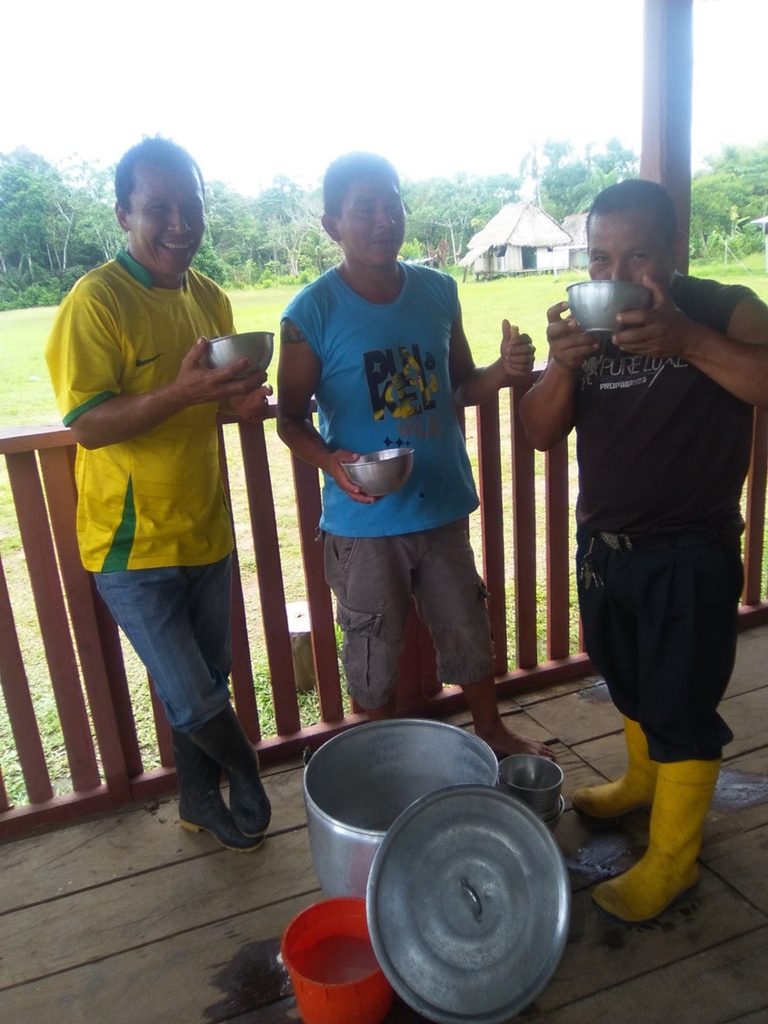
"One particularly striking example is drinking water. The river that communities depend on was already widely polluted, partly due to earlier oil extraction upstream.
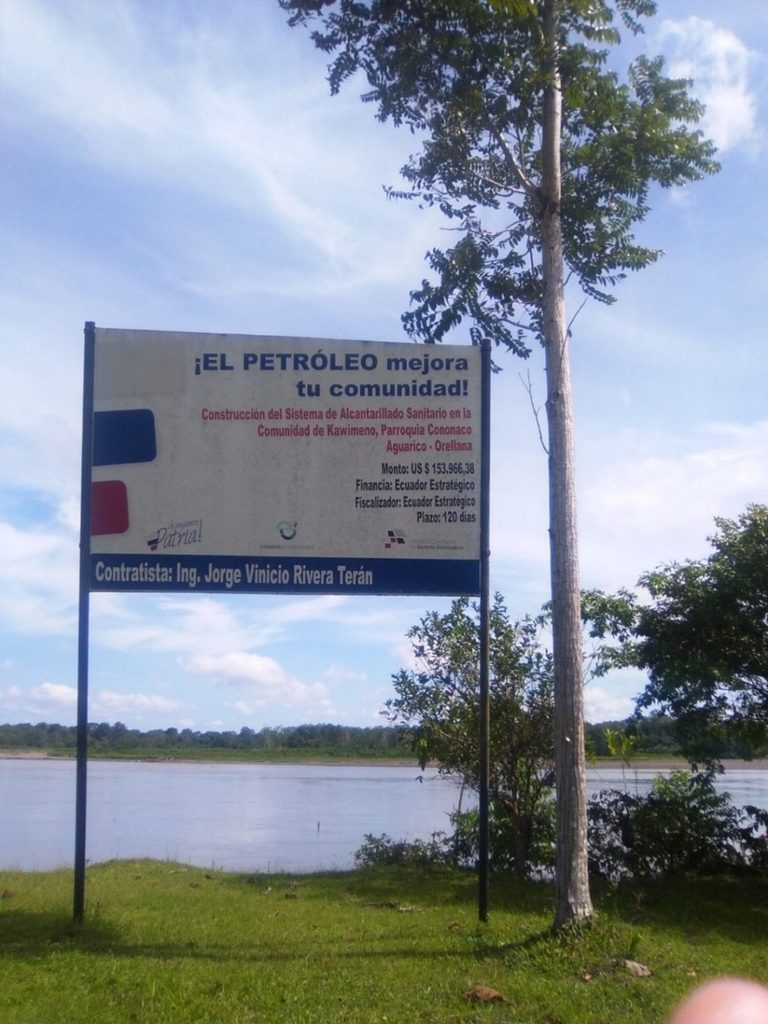
"Several communities therefore asked the oil company for drinking water systems - both to address an existing problem and because they expected the new extraction to further contaminate the river."
Dr Dayot said this is how oil comes to be seen locally as both a source of environmental harm and a means of addressing some of its expected impacts, as well as existing problems.
More than half of the Ecuadorian Amazon has been marked for oil drilling. The research took place in Quichua communities along the Lower Napo River, including six communities whose territories overlap with the Ishpingo-Tambococha-Tiputini (ITT) oil project.
Attention often focuses on communities that resist oil extraction - but Dr Dayot's study shows why it may seem logical for people to accept and negotiate extraction, despite recognising its potential harms.
"We need to think beyond the decisions themselves to the uneven conditions under which acceptance happens," Dr Dayot said.
"In the context of ongoing environmental degradation - and with oil companies offering money, jobs and infrastructure improvements - harmful projects may be accepted, negotiated, or even desired despite their damaging consequences for the same people who accept them."
Dr Dayot added: "For the communities I worked with, environmental damage is not an abstract concern separate from everyday life.
"People rely directly on the river, forest and land for water, food and materials to build their houses. Projects that threaten nature threaten their livelihoods directly."
The research was funded by a Wolfson Marriott Scholarship, the Funds for Women Graduates (FfWG), and the Fonds Sarah Andrieux.


