
Coffee fuels mornings across the world. In Timor-Leste, it is also central to rural livelihoods and the nation's identity. As the country's biggest export outside oil, it provides income for around one in three households.
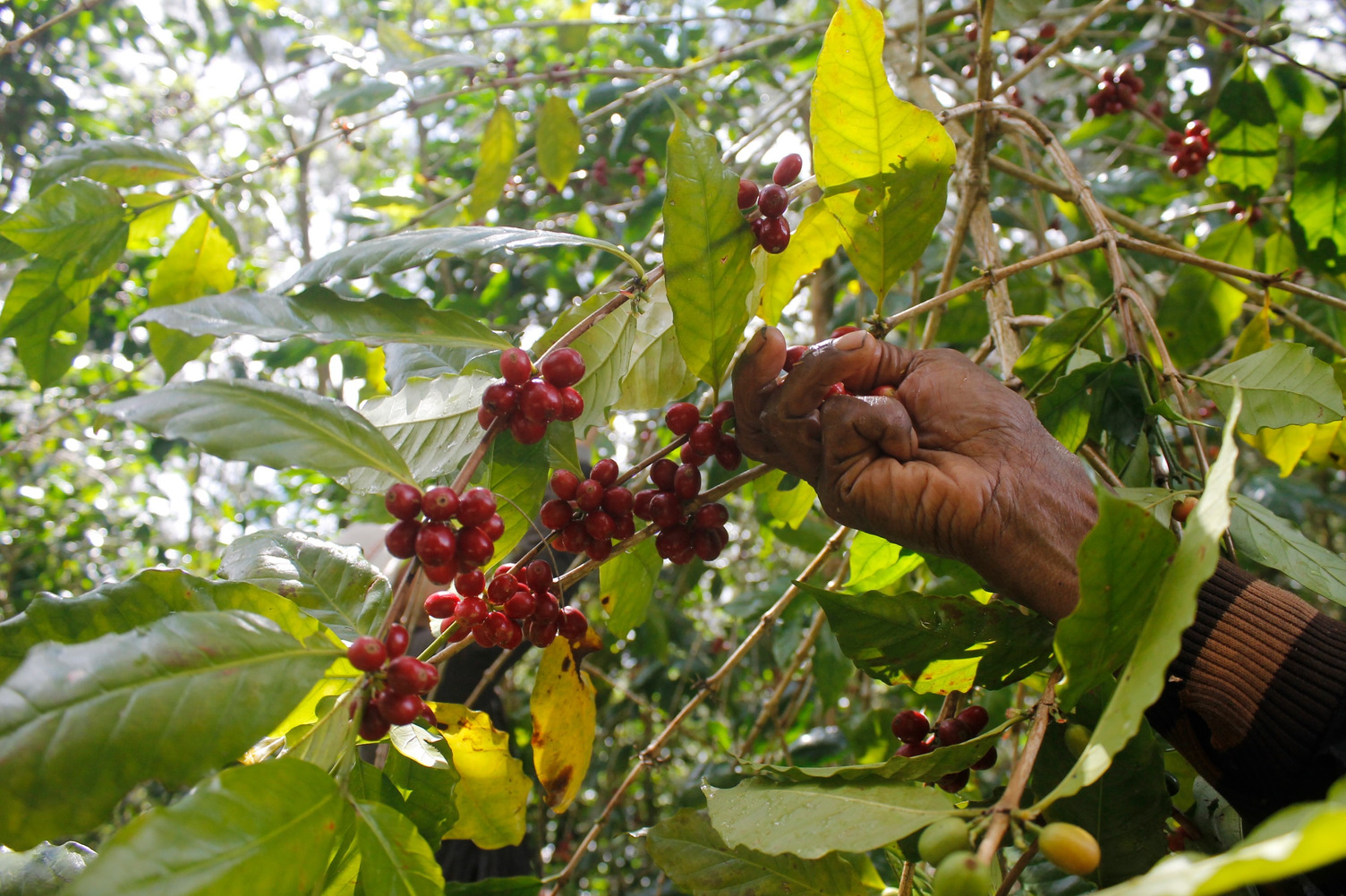
Timorese coffee is generally grown naturally under heavy shade without synthetic inputs. The natural, traditional and low-intervention methods that have sustained the unique Timor Hybrid coffee variety for decades make it well-suited to premium markets.
However, limited active management results in low harvests, with around half of coffee-growing families living below the poverty line. These constraints also potentially increase the sector's vulnerability to climate change.
Research informed by local and global experience
To better understand how Timor-Leste's coffee sector functions, a new ACIAR-supported research project will bring together expertise from Australia, Timor-Leste and Indonesia. The project will examine how coffee farming fits into household livelihoods, how the country's coffee market works and how buyers and policies influence farmers' decisions.
The project will also incorporate French expertise. Benoit Duong, a coffee agronomy researcher at CIRAD (France's Agricultural Research for Development Centre), runs research programs supporting coffee development worldwide. Duong is currently seconded to CIFOR-ICRAF Vietnam and will be part of this project, focussing on labour assessment and cropping systems.
'By combining global research experience with deep local knowledge, the research brings a unique perspective to Timor-Leste's coffee sector,' said Associate Professor Jeffrey Neilson from the University of Sydney.
Associate Professor Neilson said working closely with Timorese, regional and international partners ensures the research is grounded in local realities while informed by lessons from other coffee-growing regions.
'The work builds on the Australian Government's long history of support and ACIAR's close collaboration with Timor-Leste, particularly in strengthening the country's coffee sector,' said Dr Todd Sanderson, ACIAR Research Program Manager for Social Systems, Policy and Economics.
Dr Sanderson said the project reflects a shared commitment to research-driven solutions that can deliver practical benefits for farmers and the wider economy.
Building evidence to strengthen the coffee sector
Using household surveys, village-level discussions, workshops and policy dialogue, the research aims to generate evidence-based recommendations that focus on raising farmer incomes, improving the resilience of coffee production and strengthening Timor-Leste's national economy.
Dr Matias Tavares from the Universidade Nacional Timor Lorosa'e said the research will help build a detailed picture of the coffee sector to inform the National Coffee Sector Development Plan.
'This partnership across academia, government, the private sector and international research networks will help generate practical solutions that improve livelihoods and build resilience for farming communities in Timor-Leste while strengthening local research capacity,' said Dr Tavares.
Dr Sanderson added, 'Through high-quality research partnerships, ACIAR works with Timor-Leste to generate the evidence needed to guide future policy, improve farmer incomes and build resilience to climate change, while also reinforcing Australia's regional engagement and access to high-quality coffee markets.'


