A world-first archaeology training program is being co-designed in South Australia with Traditional Owners to create a culturally appropriate pathway into archaeology and heritage management.
Being developed through the ARC Training Centre for Archaeology in Resources Sector, the initiative forms part of a five-year partnership between Flinders University, Traditional Owner groups, industry and government organisations.
It aims to help address a longstanding gap in Australian archaeology by creating new opportunities for Traditional Owners to gain formal qualifications while recognising their deep cultural knowledge and connection to Country.
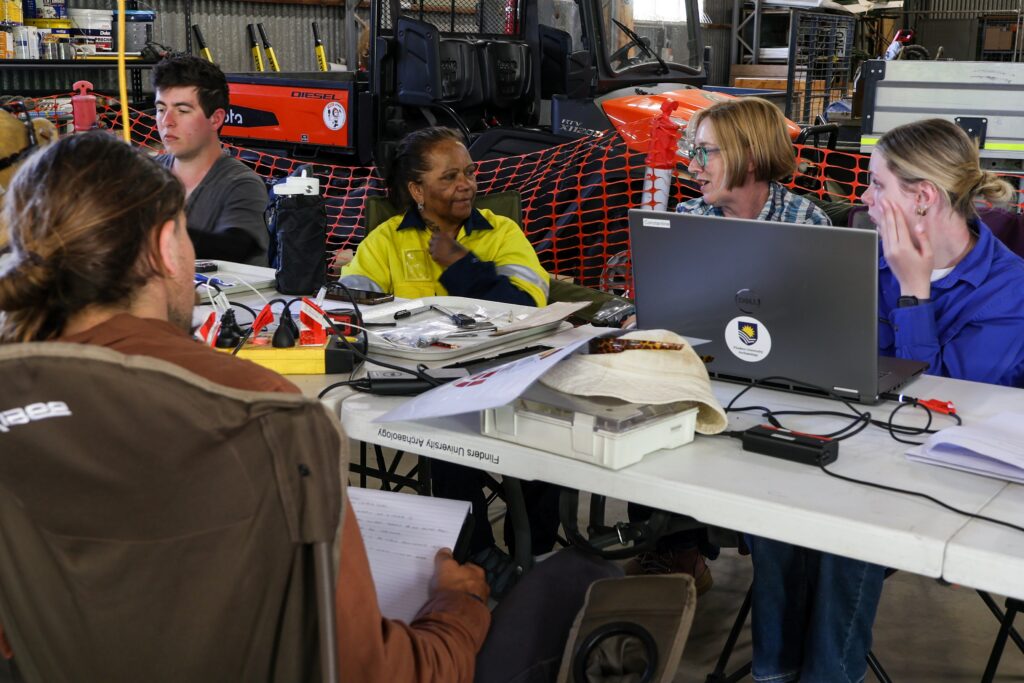
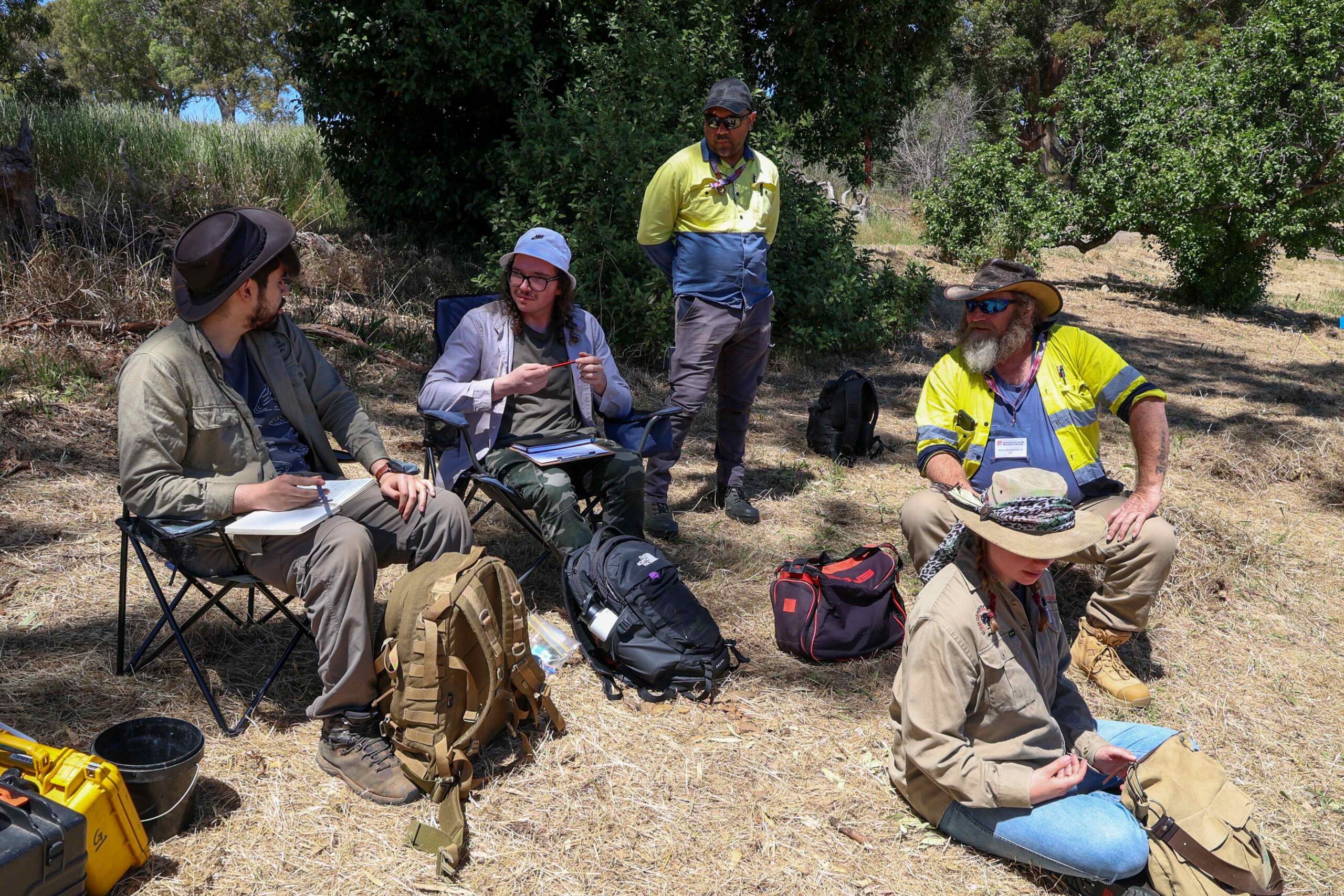
As part of the program's development, the first pilot course was recently held at Ityamaiitpinna Yarta – Glenthorne National Park, bringing together 11 Traditional Owners from across Australia alongside archaeology students and university staff for hands-on learning.

Flinders University's Professor of Archaeological Science Ian Moffat says the initiative has the potential to reshape the way archaeology is taught and practised in Australia.
"Traditional Owners hold deep cultural knowledge and authority to speak for Country, yet many have not had opportunities to gain formal qualifications as archaeologists or heritage managers," says Professor Moffat from Flinders' College of Human Sciences and Culture.
"We are completely rethinking, alongside our Traditional Owner partners, how archaeology training can be delivered in a way that recognises cultural knowledge and creates genuine pathways into the heritage sector.
"This is about ensuring the people with the deepest connections to Country have greater opportunities to lead archaeological and heritage work."
Built around a two-way learning model, the pilot course combined archaeological survey methods and technologies with Indigenous knowledge, allowing students, researchers and Traditional Owners to learn from one another.
Professor Moffat says the approach could have significant benefits for the archaeology, heritage and resources sectors.
"Having Traditional Owners, students and staff learning together creates a richer experience for everyone. We believe this model could help transform archaeology education in Australia and potentially be adapted by Indigenous communities elsewhere in the world."
Ityamaiitpinna Yarta – Glenthorne National Park, one of South Australia's most significant cultural and historical landscapes, provided an ideal setting for the pilot course, highlighting the connections between Country, culture and archaeology.