
Children living with obesity but showing no signs of metabolic complications still have a significantly increased risk of developing type 2 diabetes, high blood pressure, and abnormal blood lipid levels later in life. A new study from the Karolinska Institutet, published in JAMA Pediatrics, also shows that these children benefit greatly from obesity treatment.

"There has been a debate about whether children with normal blood and liver values and normal blood pressure might not need treatment for their obesity. "Our study shows that this assumption is incorrect," says Claude Marcus , professor at the Department of Clinical Science, Intervention, and Technology , Karolinska Institutet.
The study included just over 7,200 children aged 7-17 who had begun obesity treatment in Sweden and were followed up until age 30. The researchers compared children with so-called metabolically healthy obesity (MHO), children with obesity and impaired cardio-metabolic risk markers (MUO), and peers from the general population.
By age 30, 9 percent of the children with MHO had developed type 2 diabetes, compared with 17 percent of those with MUO and 0.5 percent in the control group. Similar patterns were observed for high blood pressure (11 percent in the MHO group, 18 percent in the MUO group, and 4 percent in the control group) and abnormal blood lipids (5 and 13 percent, respectively, compared to 1 percent in the general population).
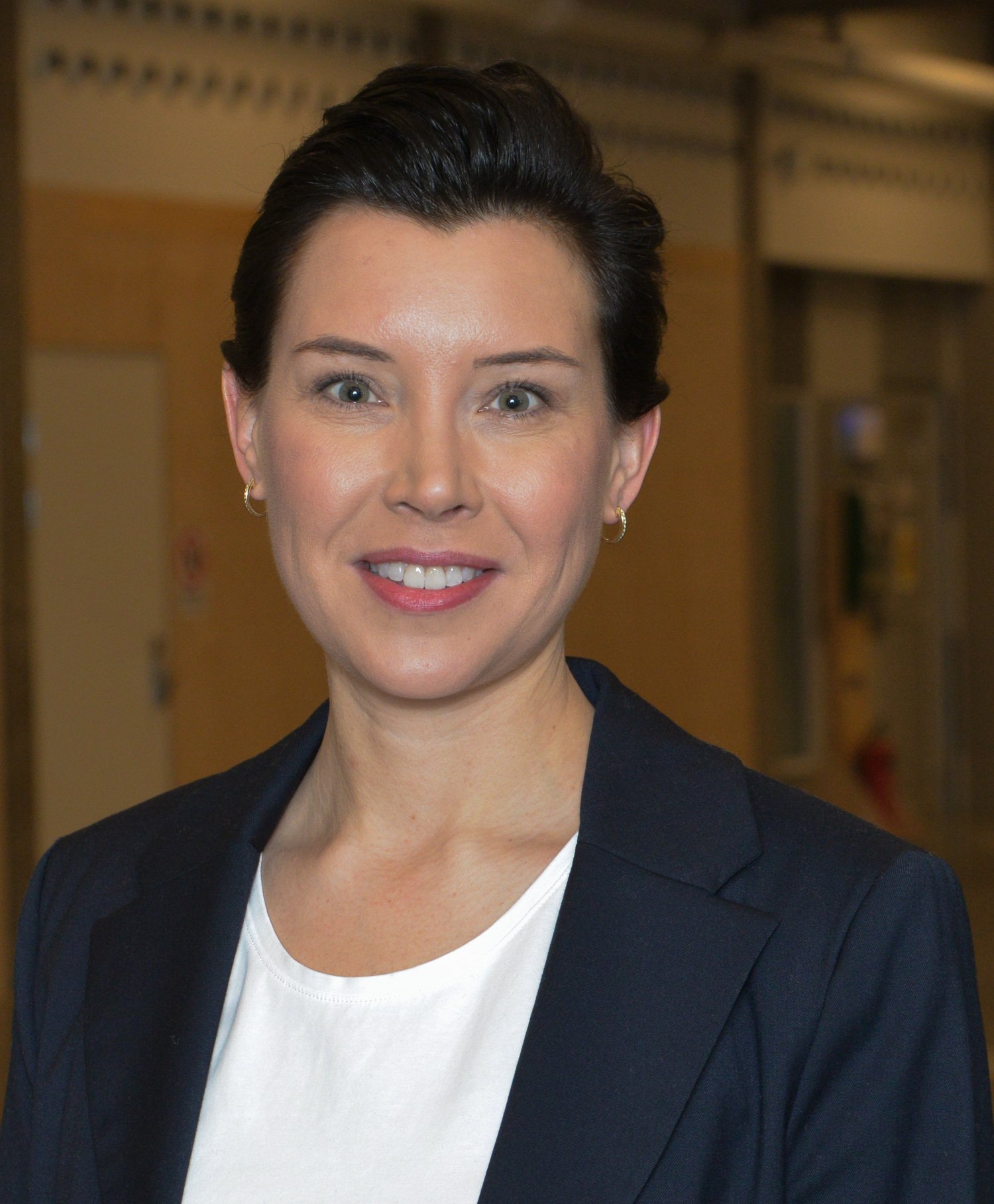
"Even children with obesity who show no signs of cardiometabolic impact have a clearly increased risk of future diseases. This means that normal blood pressure and the absence of abnormal blood test results are not sufficient protection against future morbidity," says Emilia Hagman , associate professor at the Department of Clinical Science, Intervention, and Technology, Karolinska Institutet.
All children in the study received support for healthier lifestyle habits, and the researchers also investigated whether the treatment response affected the risk of future illness in the different groups. A good treatment response during childhood was linked to a reduced risk of all the diseases studied. The effect was equally significant in both the MHO and MUO groups.
"Our results suggest that all children with obesity need treatment, even if they appear completely healthy upon examination," says Claude Marcus.
The study is based on data from the national quality registry BORIS and several Swedish health data registries. The research was funded by, among others, the Center for Innovative Medicine, the Ollie and Elof Ericsson Foundation, and the Freemason Foundation for Children's Welfare. Several of the researchers report compensation from companies unrelated to this work. See the scientific article for a complete list of conflicts of interest.
Publication
"Long-Term Cardiometabolic Outcomes in Children With Metabolically Healthy and Unhealthy Obesity", Resthie R. Putri, Pernilla Danielsson, Emilia Hagman, Claude Marcus, JAMA Pediatrics, online 23 March 2026, doi: 10.1001/jamapediatrics.2026.0343.


