
PITTSBURGH - Clinician-scientists at the University of Pittsburgh School of Medicine have developed an artificial intelligence (AI) tool that significantly improves diagnostic accuracy for functional seizures-a condition often misdiagnosed as epilepsy. The findings, published today in Epilepsia, demonstrate how AI can support clinicians, whose expertise is not neurology, by flagging complex cases for further review, potentially reducing unnecessary medication use, and improving patient safety and access to expert diagnostic care.
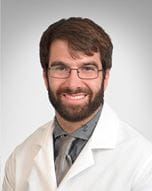
"Distinguishing functional from epileptic seizures is hard, even for highly-trained clinicians. Because most seizures are epileptic, clinicians start there-but the remaining cases represent a critical gap in care," said lead author Wesley Kerr, M.D., Ph.D., assistant professor of neurology and bioinformatics at Pitt and the lead epileptologist of the UPMC Functional Neurological Disorders program. "AI isn't to replace clinicians, it's to expand our impact by helping us identify complex cases sooner and make care more compassionate and personal."
Functional seizures affect an estimated 10% of people with seizures. Unlike epileptic seizures, which are triggered by electrical activity in the brain and can be managed with appropriately selected medications or surgery, functional seizures result from a combination of biological, psychological and social factors. Because they are not caused by abnormal brain electrical activity, antiseizure medications do not work. Instead, treatments focus on neurobehavioral therapy, helping patients and clinicians understand the underlying stressors that push the body into "panic mode."
"Functional seizures are 'panic without panic', the body's response to being overwhelmed," said Kerr. "Your body is having a panic attack, but you don't feel it because your brain is protecting you from that sensation. That hidden stress can erupt as a seizure."
To understand whether AI tools can effectively support clinician decision-making, the researchers presented 117 anonymized patient cases to 163 reviewers from various backgrounds and levels of experience, from non-clinicians, medical students and non-neurology physicians to expert epileptologists. Each reviewer assessed a randomized subset of cases, and their accuracy was measured before and after AI assistance.
The analysis showed that the AI tool improved diagnostic accuracy for 66% of reviewers. Among average and AI-literate users, accuracy in diagnosing functional seizures improved by nearly 20%. Notably, expert clinicians, including most epileptologists, did not show significant improvement, as the AI largely replicated their existing knowledge.
"AI is not going to make experts any better, but it can make sure that even clinicians who've never heard of functional seizures have a tool that says, 'Think about this.' That's how we improve care for everyone, no matter where they live," said Kerr.
As an immediate next step in this research, Kerr is exploring ways to incorporate AI-assisted analysis of seizures recorded on video, potentially reducing the need for inpatient monitoring, which is the current gold standard to confirm seizure origins.
Kerr and his team are now moving toward their goal of enabling automated monitoring and flagging of potential functional seizure cases within the patient's health chart. Paired with clinical oversight and ethical considerations, the scientists hope the additional AI-assisted checkpoint will identify people who may benefit from better understanding of their seizures and assist clinicians in identifying the right medication and non-medication treatments more quickly and accurately. They note that reducing medications that do not treat the cause of seizures can be particularly important for pregnant, older and medically complex patients.
To learn more about this research and seizure care at UPMC, visit:
Patients who are looking to understand if their seizures might be functional should reach out to UPMC Epilepsy for an initial consultation:
Other authors of this research include Katherine McFarlane, M.S., James Castellano, M.D., Ph.D., Anto Bagić, M.D.,Rachna Reddy, Sarah Yaghoubi, M.D., Laura Kirkpatrick, M.D., Danielle Carns, Psy.D., Zongqi Xia, M.D., Ph.D., and Page Pennell, M.D., all of Pitt.
This research was supported by the the U.S. National Institute of Neurological Disorders and Stroke (K23NS135134, R25NS065723, R25NS089450, U24NS107158, R01NS033310, P20NS080131, T32GM08042, T90DA022768, R90DA022768, R90DA023422, K12NS098482), the American Academy of Neurology, the American Brain Foundation, the Epilepsy Foundation, the American Epilepsy Society, the Epilepsy Study Consortium, William M. Keck Foundation and the Christina Louise George Trust.


