
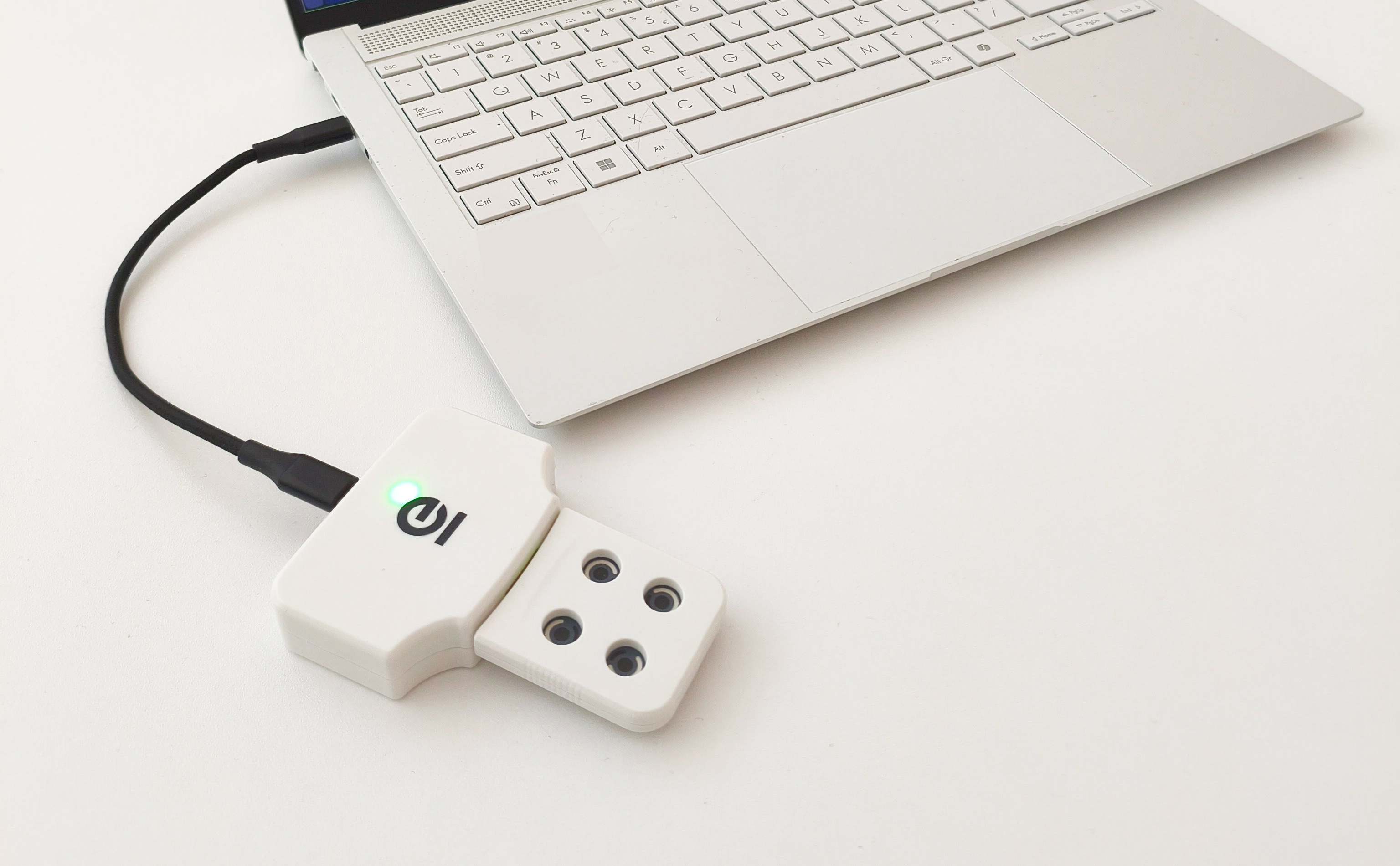
Southampton researchers are trialling a new test that could cut the time to diagnose winter respiratory viral infections from several hours to just a few minutes.
If proven to be accurate, the point-of-care test could provide the NHS with a highly scalable, low-cost diagnostic tool. It would help clinicians make faster decisions and improve patient care during winter periods when hospitals face intense pressure from respiratory infections.
Current hospital PCR test processes can take over two hours to deliver a result, require laboratory processing and are expensive to perform. The new platform is not only much quicker but can also be used by staff without specialist training.
The test costs between £2 and £3 per test, which is comparable to lateral flow devices and would be at least ten times cheaper than current rapid PCR testing.
Respiratory viruses such as flu, Covid-19 and respiratory syncytial virus (RSV) are a major driver of winter pressure in the NHS, accounting for a high proportion of emergency department attendances during peak winter periods.
This increase in ED attendance and hospitalisation often leads to significant operational problems, including a lack of bed capacity and cancellation of elective surgery.
The technology, developed by the UK medical device company Ediphor, uses novel biosensor technology to identify respiratory viruses in just 60 seconds. The entire test process, including sample collection, takes around four minutes.
The study is being led by Tristan Clark , Professor of Infectious Diseases at the University of Southampton and honorary consultant at University Hospital Southampton (UHS). It is delivered through the National Institute for Health and Care Research (NIHR) Southampton Biomedical Research Centre.

Professor Clark said: "This novel and exciting technology has the potential to be a real game-changer. Rapid, accurate diagnosis is crucial during winter surges, but current testing methods are too slow and often very expensive.
"A cheap, accurate test which delivers results in just a few minutes could transform how we manage respiratory infections in hospitals as well as in other settings."
The trial, which is already underway at UHS, will evaluate the accuracy and performance of the test by comparing it with existing diagnostic methods. The data collected will be analysed to help build the evidence needed for regulatory approval and future NHS adoption.
Professor Clark added: "While this study won't change how we manage patients this winter, it's a vital step in generating the evidence required to support new diagnostic technologies that could make a significant difference in years to come.
"In addition, this technology is uniquely flexible in that it can be adapted to detect many different types of biomolecular targets, and not just respiratory viruses".
Professor Clark was recently awarded a highly prestigious NIHR Research Professorship. This new trial builds on his long-standing expertise in infectious disease diagnostics and translational research, including earlier work on rapid flu testing published in The Lancet Respiratory Medicine .
The findings from the study will inform future clinical trials and decision-making around the use of rapid diagnostics during periods of peak demand.
The research follows plans announced by the University of Southampton and University Hospital Southampton NHS Foundation Trust for the Institute for Medical Innovation (IMI) - a groundbreaking new initiative that will bring together the greatest minds in medicine, computer science and engineering in the fight against devastating diseases, including respiratory conditions.


