

A Florida State University anthropologist is part of a team that has found that ancient migration routes used by Indigenous peoples are relevant to today's policy and planning surrounding coastal living in rapidly changing environments. Their findings were recently published in the journal Nature Sustainability in the study "Climate-driven depopulation and adaptation realities in America's coastal ground zero."
The research team, including Jayur Mehta, an associate professor in the Department of Anthropology, sought to generate frameworks about how to live in ecologically dynamic landscapes like coastal Louisiana, and how to manage relocation from these areas, as life-threatening issues like sea-level rise and extreme weather events increase erosion of the land.
"While we're looking at one specific delta region, this publication offers a big picture perspective of the issues coastal communities face," said Mehta, who specializes in the archaeological study of human-environment relationships and also serves as the anthropology undergraduate program director. "Coastal Louisiana is one of the lowest-lying regions in the world because much of the land is a river delta formed by tons of sediments deposited by the Mississippi River over 7,000 years. Due to rising sea levels and the absence of bedrock, the land - a massive wedge of sediment - is just sinking into the Gulf."
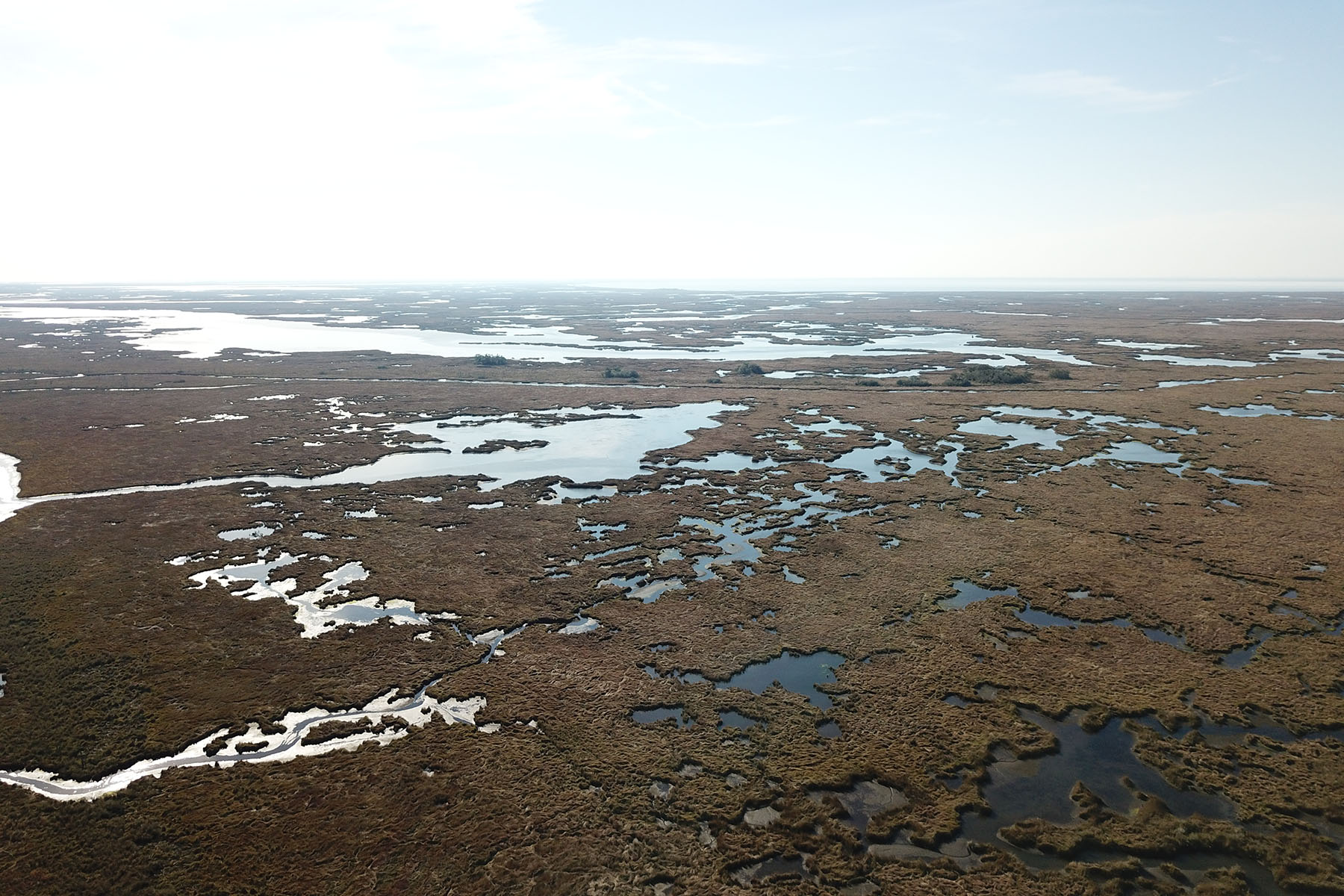
The team, led by Vokes Geology Professor Torbjörn Törnqvist of Tulane University in New Orleans, also includes sociology, architecture and marine science researchers from Tulane, Yale University in New Haven, Connecticut and Coastal Carolina University in Conway, South Carolina.
According to the World Meteorological Organization, nearly 40% of the world's population lives less than 100 miles from a coast. Additionally, coastal counties in the U.S. are home to 40% of the nation's population, per the National Oceanic and Atmospheric Administration. Researchers like Mehta use this legacy of coastal living, spanning approximately 5,000 years in this delta region, to help inform present-day and future thinking on adapting to ecologically dynamic environments to mediate coastal hazards for those living there.
In analyzing pre-contact settlement patterns of the Mississippi River Delta, archaeological evidence shows that migration was an adaptive response to the changing environment as shorelines receded and landscapes changed across generations.
"The way that present-day communities live in these coastal settings is driven by our contemporary way of life, including where infrastructure is placed and what architecture and engineering codes are in place for buildings and living spaces," Mehta said. "Adapting to the changing environment of coastal areas starts by recognizing that there are other ways that people live, and have lived, in coastal settings that we might consider unorthodox. Some of those ideas might hold solutions to our problems, and this archaeological perspective shows us that it's possible to live in an ecologically dynamic environment even spanning long periods of time, as long as there's an awareness of mobility and migration when necessary."
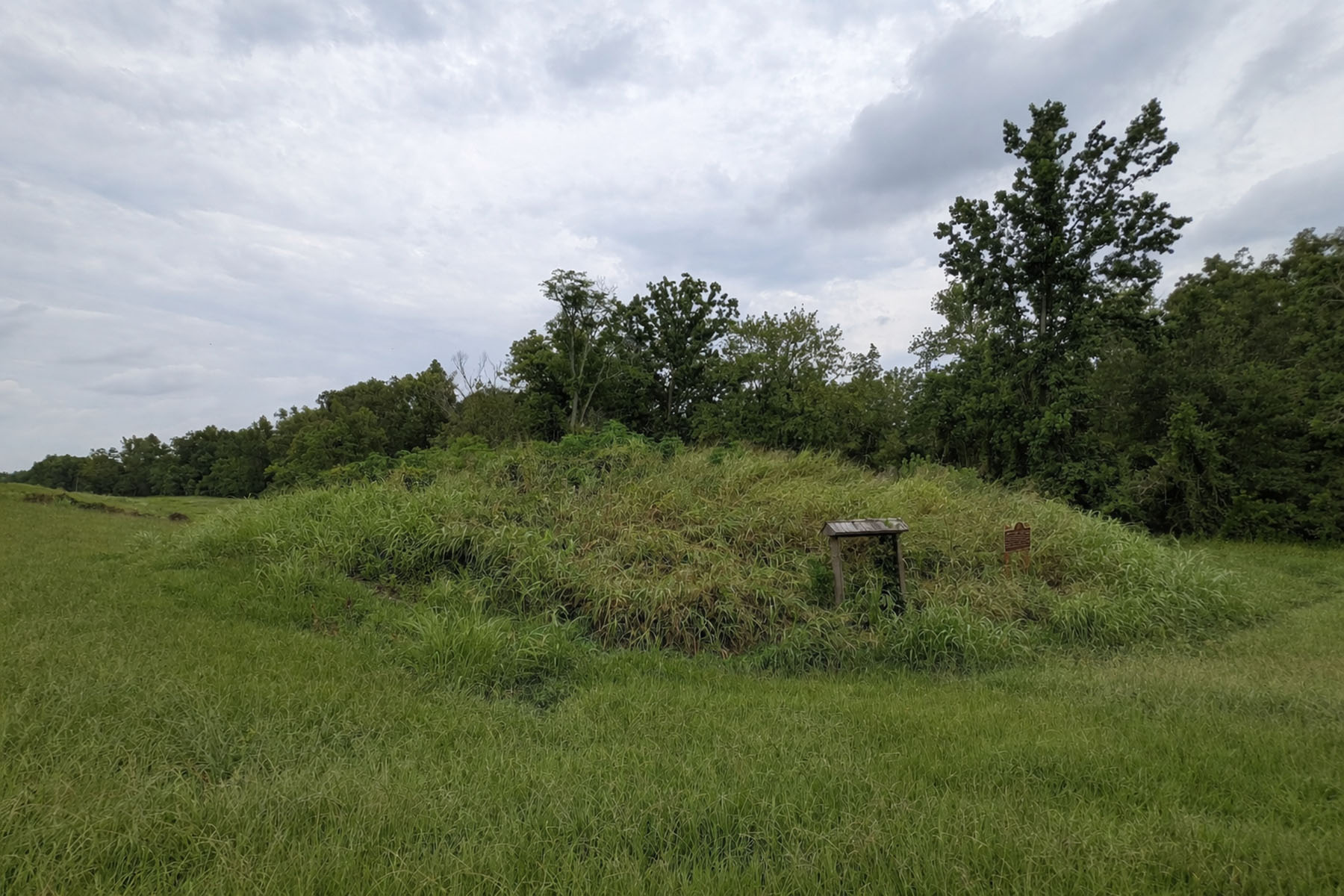
Migration is already happening in coastal Louisiana, largely due to climate-driven population loss and disaster-driven displacement, such as the New Orleans population being halved in 2005 following Hurricane Katrina. These events, according to the researchers, often exacerbate pre-existing vulnerabilities that continue to push populations to leave, including poverty and rising costs of housing and insurance. According to U.S. Census Bureau data, New Orleans' population has decreased by about 20,000 in the past six years alone.
"The archaeological record provides unique insights into how humans lived in highly dynamic, rapidly changing landscapes in the past," Törnqvist said. "Given the size of the Mississippi River Delta, it's plausible that Native American communities moved their villages over distances as large as 50-100 kilometers to relocate from portions experiencing land loss to areas that enjoyed land gain. What matters here is the mindset of these Indigenous peoples and their nimbleness with respect to life in a rapidly changing environment - this is something we need to rediscover."
While profound differences exist between pre-contact Native American societies and present-day coastal communities, including extensive, permanent infrastructure and technological adaptations to life in a floodplain, researchers argue that investigating ancient patterns of migration is a crucial first step in adapting for understanding resilience and long-term adaptation strategies on a rapidly evolving coast.
"We need to make some big decisions about where and how we live on coasts as environments continue changing, and Jayur's work is that rare combination of impactful on a local level and to the larger global issues facing us," said Mark D. McCoy, Department of Anthropology chair. "This research provides an evidence-based reconstruction of the decisions our ancestors made, and what the consequences of those decisions were, so we can go into this massive problem armed with all the information we can muster."
To learn more about Mehta's work and research conducted in the Department of Anthropology, visit anthro.fsu.edu.


