
An interactive robotic plush toy called Purrble may help reduce depressive symptoms in LGBTQ+ young people.
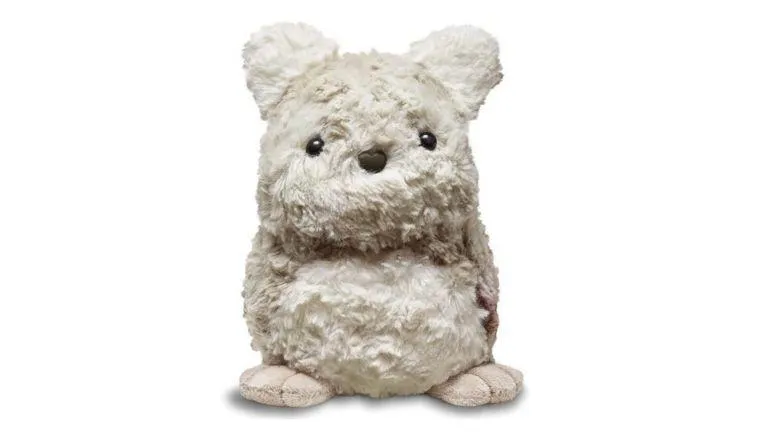
In a new study, published in Nature Medicine, researchers at King's College London tested Purrble alongside safety planning, a tool commonly used by mental health practitioners to help people navigate moments of distress and reduce the risk of self-harm.
Purrble simulates a distressed heartbeat that gradually calms as it is soothed by touch. The device was specifically designed to target emotion regulation, which is the capacity to manage difficult feelings, on the basis that difficulties in this area underlie a wide range of mental health conditions.
Emotion regulation is something all of us do every day, from handling minor frustrations to navigating genuine distress. Having support in those moments, and consistently over time, is how people build a real and lasting skill. Purrble was designed to offer support that fits into daily life without requiring people to navigate a system to access it."
Dr Aubrey Rhodes, a Research Associate at King's and co-first author of the paper
Because Purrble addresses emotion regulation rather than any single diagnosis, improvements were expected to extend across multiple mental health outcomes. Researchers found that young people who received Purrble alongside safety planning reported lower depression and anxiety symptoms and better emotion regulation than those who received safety planning alone.
Participants in the randomised control trial who received Purrble alongside a safety plan had almost five times (OR = 4.62) the odds of reporting a clinically meaningful improvement in depressive symptoms. They also had almost two and a half times (OR = 2.44) the odds of reporting improvement in emotion regulation, compared to those who received safety planning alone.
These outcomes were assessed through weekly questionnaires over 13 weeks. The study did not find a significant effect on self-harm thoughts or behaviours, and the team emphasise that Purrble is intended to complement, not replace, broader mental health support.
The research followed 153 LGTBQ+ people aged 16-25 with thoughts of self-harm. The King's team collaborated with researchers from Swansea University, the University of Nottingham, and Stanford University.
Research consistently shows that LGBTQ+ young people in the UK face significant mental health challenges, with 65.3% reporting a history of self-harm. These challenges are not inherent to being LGBTQ+, but are strongly shaped by external factors including discrimination, family rejection, and systemic barriers within healthcare settings. Many LGBTQ+ young people report negative experiences with clinicians and fear being dismissed or stigmatised, barriers that often deter them from seeking support through conventional routes.
Dr Rhodes said: "We also know that LGBTQ+ young people can face systemic barriers that make accessing care especially difficult. Our results suggest that giving young people access to tools that are flexible and easy to use in daily life may help them build skills that support multiple areas of mental health, even outside traditional service settings."
Mental health services in the UK are under real pressure, and waiting lists mean many young people are left without meaningful support at exactly the point they need it. Purrble is designed to sit alongside existing care pathways rather than replace them. At less than £50 per device, it offers a practical way to extend support to people who are waiting for more intensive help, or who have found traditional routes difficult to access."
Dr Petr Slovak, Reader in Human-Computer Interaction at King's and one of the researchers behind Purrble
Purrble was developed by researchers at King's alongside The underlying research and prototype for Purrble was developed by researchers at King's and UC Santa Cruz, and later commercialised by non-profit the Committee for Children and play-focused studio EmpathLabs. The team hope the device can help reach young people who face barriers to conventional care, offering support that is private, low-cost, and requires no clinical referral.
The team are now investigating why Purrble appeared to be more effective among cisgender LGBTQ+ youth than among transgender and gender-diverse youth, for whom the observed effects were limited.
This latest study forms part of wider research programme studying how on how simple, accessible technologies can complement existing forms of support and help young people build effective emotion regulation skills in everyday life.


