
Older adults in rural California face mounting challenges that are expected to intensify over the next decade and a half.
Statewide, the number of residents 80 and older is projected to more than double between 2020 and 2040, with the oldest population tripling in some rural counties.
And that growth, experts say, will exacerbate a host of issues that rural Californians confront on a regular basis, such as: long drives to routine doctor's appointments, limited home-health care options, aging houses that are difficult to maintain, poor access to hospitals and barriers to finding people to help out with daily tasks.
Why rural action is urgently needed — and how state policy can help
UC Davis experts in gerontology are well aware of the looming crisis and are committed to help/offer solutions.
To better explain the challenges of older adults — and offer state-level policy solutions grounded in community insight — the Family Caregiving Institute at the Betty Irene Moore School of Nursing at UC Davis has released a set of recommendations so policymakers from across the state can better address the needs of rural older adults. The series of policy briefs, developed with The SCAN Foundation, details the structural inequities that shape rural aging and outlines steps state leaders can take to strengthen housing, long-term services and supports (LTSS), and health care access in rural regions.
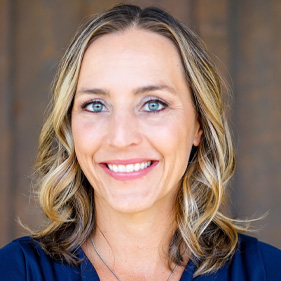
"Rural communities are often left out of statewide policy conversations," said Pauline DeLange Martinez, research and community engagement manager at the institute and lead author of the recommendations. "These briefs highlight the urgent need for action and provide a roadmap for building aging equity through policies that truly work for all Californians."
These briefs highlight the urgent need for action and provide a roadmap for building aging equity through policies that truly work for all Californians.-Pauline DeLange Martinez, Research and Community Engagement manager
The Rural Aging in California: Policy Brief Series looks at some of the most pressing issues for older adults, including:
- Housing and homelessness
- Long-term services and supports, including home care
- Access to health care in rural areas
Martinez noted that rural counties are likely to see the steepest rise in older residents who need more help with daily life activities such as bathing and dressing, preparing meals, managing medication and traveling to medical appointments or the grocery store. Yet many of these same areas lack workers to meet the demand. The policy briefs highlight significant shortages across the LTSS and health care workforce, limited transportation options and fragmentation across state systems — all issues that disproportionately impact rural regions.


