Institute of Science Tokyo (Science Tokyo) launched the Visionary Initiatives(VIs) - a cross-disciplinary, integrated research framework -in the 2025 academic year to co-create new value with society while advancing science and human wellbeing. Currently, six VIs are tackling the challenge of shaping the future, with each developing distinct shared visions for societal transformation based on three pillars: "Better Life," "Better Society," and "Better Planet."
One person taking on this challenge is Professor Tomoko Ishino of the Graduate School of Medical and Dental Sciences, who serves as program director (PD) of the VI: Resilience Tech-Society - Achieving a Society Resilient to Disasters and Pandemics. In this article, Ishino discusses how to build a resilient society in the face of frequent disasters and infectious diseases such as COVID-19 and malaria.
Standing at the intersection of scientific pursuit and compassion
Why did you choose a tropical disease among infectious diseases for your research?
Ishino During college, I was enrolled in a pharmaceutical sciences lab, conducting fundamental research on how the body regenerates and defends itself against diseases. Alongside my studies, I participated in study tours in several Asian countries, where I encountered poverty, but I was consistently touched by the smiles of the local children.
These experiences deepened my desire to make a difference in Asia. I considered working for an organization involved in international aid, such as an NGO or the Japan International Cooperation Agency (JICA). However, I was equally fascinated by basic research. Studying tropical diseases seemed to fulfill both of these aspirations. Thus, while in my doctoral program, I attended a three-month seminar on tropical diseases.
Meanwhile, I sincerely wanted to support local communities in Asia, but at the same time, I was eager to understand the mechanisms of life through the power of science. Since I have a strong focus on what is provable, I naturally became interested in applying reverse genetics to malaria parasites around the time I earned my doctoral degree. While conventional genetics identifies genes based on observed traits, reverse genetics starts with genes to determine their functions - an approach that aims to uncover the mechanisms of life.
Shortly after earning my doctorate, I discovered by chance the only lab in Japan that at that time was using the reverse genetics approach in conducting malaria research. Although switching fields after completing a Ph.D. was uncommon, I joined the lab as a postdoctoral fellow and later continued my work at the Pasteur Institute in France. I remain dedicated to malaria research today.
Malaria infects humans when parasites enter the body through mosquito bites. After being injected into the skin, the parasites travel through the bloodstream and first reach the liver, where they specifically infect hepatocytes. My research focuses on identifying which molecules are involved in these infection processes and how they function. I'm reminded of the mystery of life and the joy of research each time I track these 10-micrometer parasites under the microscope. Yet behind this work lies a stark reality: about 600,000 people die from malaria each year. Our lab - students and research staff alike - is committed to addressing this urgent global challenge.
In collaboration with the Noguchi Memorial Institute for Medical Research in Ghana, Science Tokyo has long conducted international joint research projects on emerging and re-emerging infectious diseases. For malaria, we initiated studies to identify factors that contribute to disease in both humans and parasites. By analyzing parasitic strains from endemic regions, we aim to unravel the mechanisms of infection in these areas.
Integrating human and scientific power to build a crisis-resilient society
What are your goals as PD leading the VI: Resilience-Tech Society?
Ishino Our VI, Resilience Tech-Society aims to build systems that ensure the delivery of essential services such as environmental recovery, lifelines restoration and medical care provision when unavoidable natural disasters or pandemics occur. As PD, my primary contribution is focused on infectious diseases within this VI. These diseases fall into two categories: emerging diseases like COVID-19 that appear suddenly, and re-emerging diseases like malaria that have afflicted humanity for centuries. Both threaten daily life and are difficult for any single country to manage in an era of frequent cross-border travel and business. Leveraging the research hub at the Noguchi Memorial Institute for Medical Research, University of Ghana, and the connections we have established, we will gain a clearer understanding of ongoing infectious disease situations and develop human resources in Ghana - efforts through which we will share the VI's philosophy and findings with the world.
What kind of potential can science tap through collaboration?
Ishino Currently, major donor nations are cutting their international aid budgets, leading to a sharp decline in funding for disaster response and infectious diseases. As a result, financial assistance to Africa has decreased. This has serious consequences, including shortages of therapeutics for HIV patients. Even so, what scientists must do has not changed. Ultimately, science and international collaboration are carried out by people. That's why it is essential to strengthen human connections and support each other to get through these difficult times.
It is also indispensable for researchers in different fields to collaborate if we want to unlock new research potential. Discussions with researchers from other disciplines have led me to change my perspectives and to discover, sometimes unexpectedly, that my specialized technologies can help solve social problems.
This perspective was reinforced when I met Professor Kazuo Takayama, who was developing a liver-on-a-chip - a small device that mimics the structure of the human liver. At the time, he was working at another university on a device to find methods to control viral infections. Realizing that we were addressing the same challenge, we quickly established a strong working relationship. Since then, Professor Takayama has joined Science Tokyo and is now conducting research as a member of our VI.
Thanks to his knowledge and expertise, we have been able to analyze in greater detail how parasites reach and infect hepatocytes - the initial stage of human infection. I also plan to apply this know-how to develop new infection-blocking vaccines. By integrating expertise from different fields, we have discovered a new approach to infectious disease research, which I believe is an extremely significant achievement.
Resilience-Tech Society: Achieving a Society Resilient to Disasters and Pandemics
Resilience-Tech Society aims to achieve safer living through global cooperation on disaster and pandemic preparedness
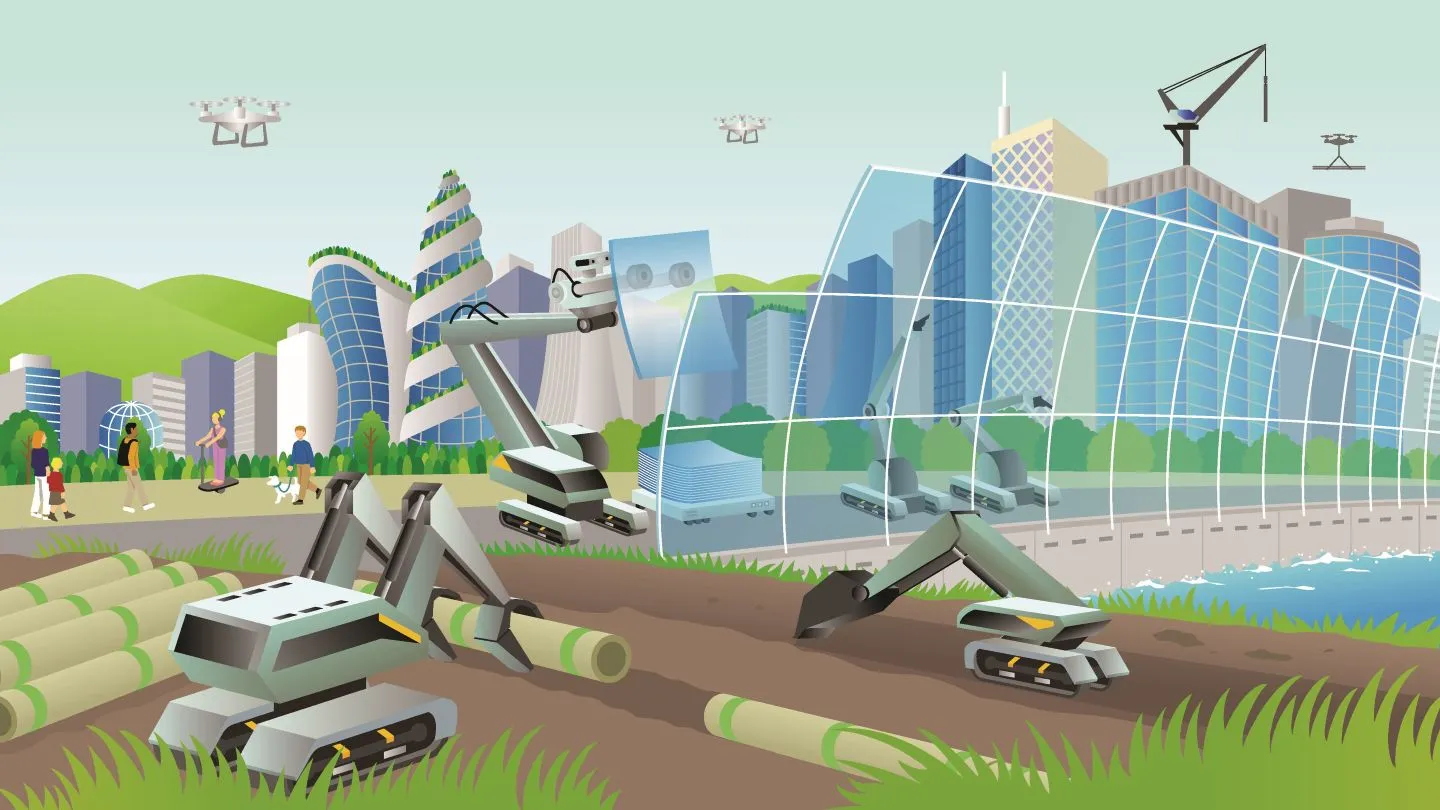
・Understanding the mechanisms behind natural disasters
・Planning disaster-resilient cities
・Securing backup essential services and building resilient living infrastructure
・Establishing networks to ensure universal access to medical care and support during disasters
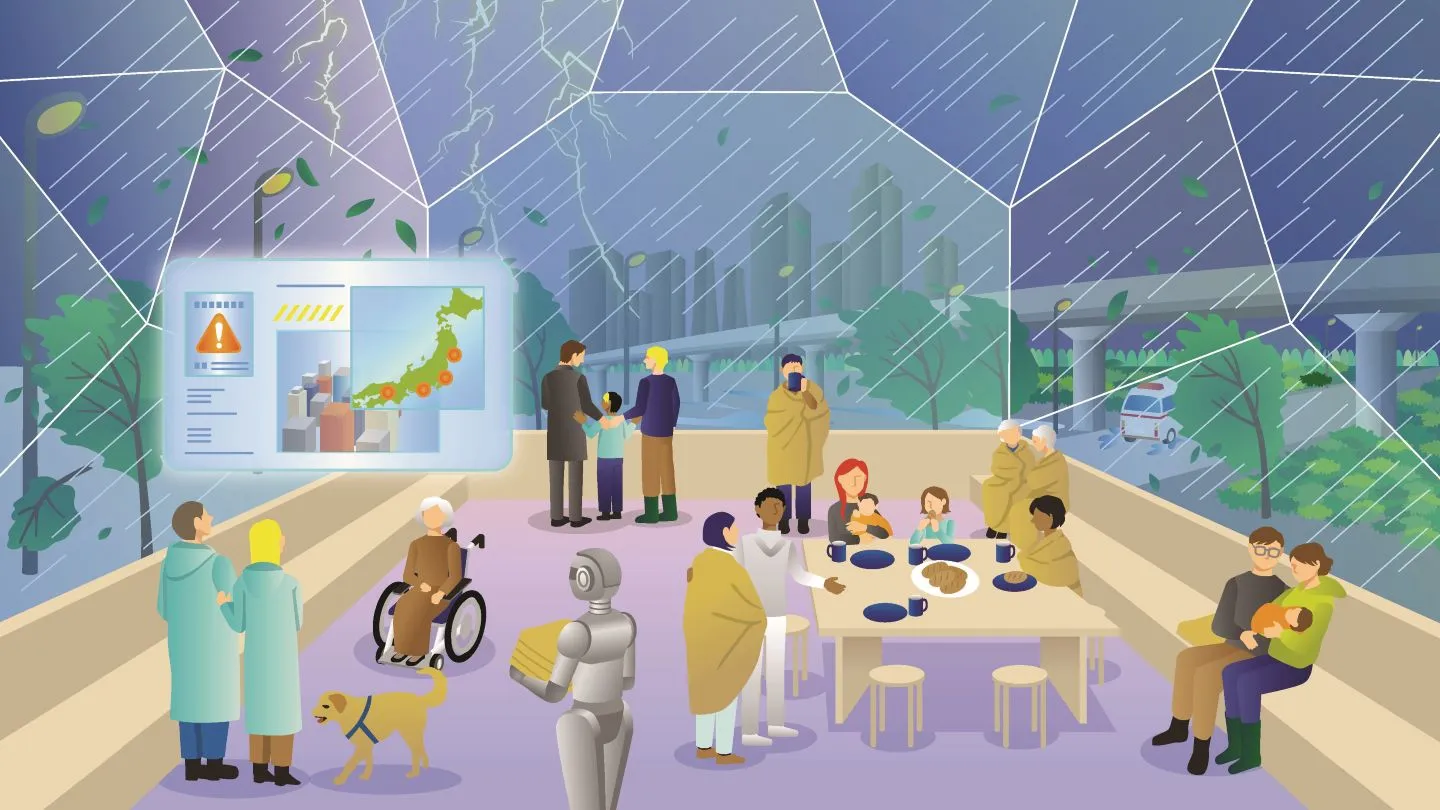
・Enabling rapid response through cross-border coordination among responders and governments
・Collaborating with local healthcare to ensure safety for all
・Developing flexible support to ensure basic daily life for people across regions and backgrounds
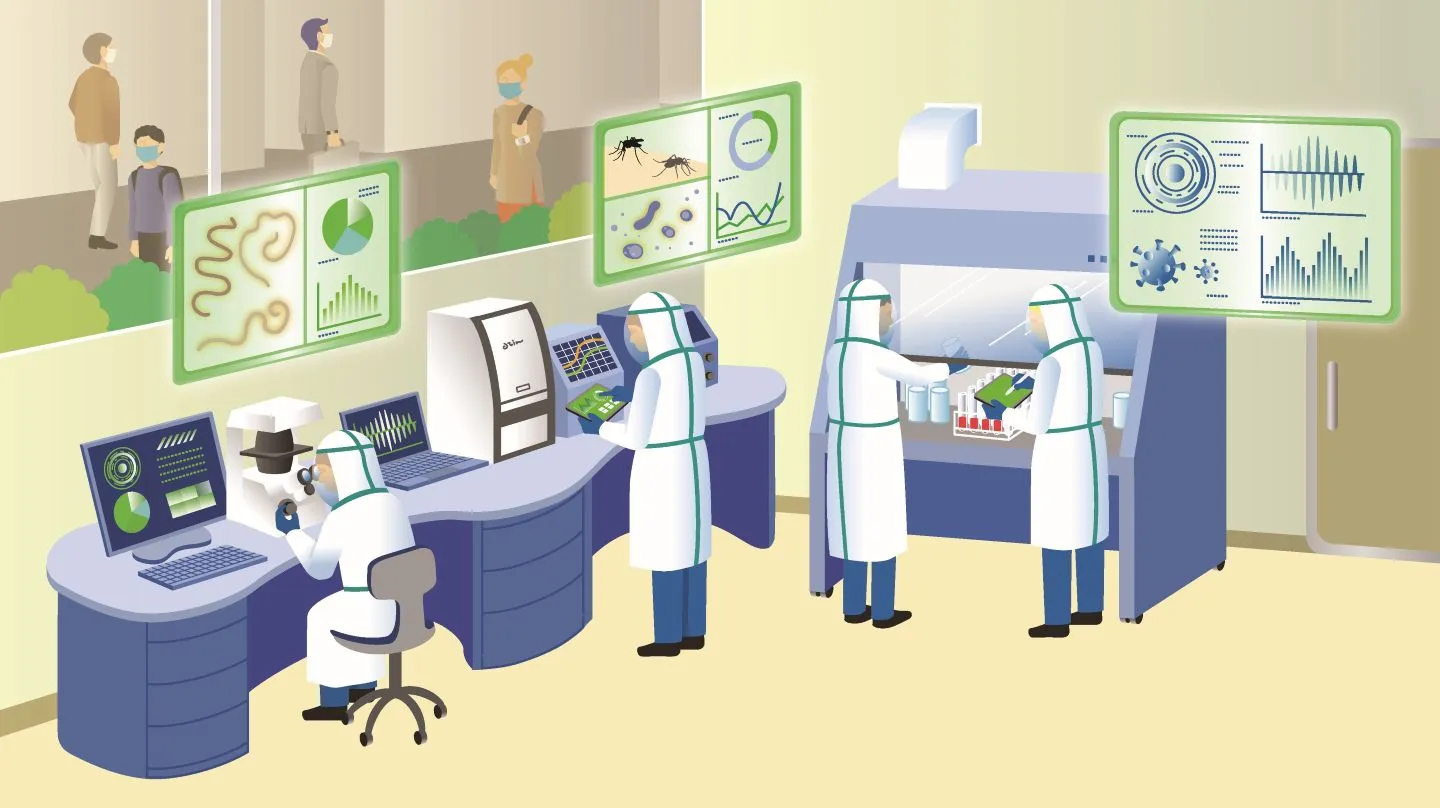
・Advancing prevention, treatment, and diagnosis of emerging and re-emerging infectious diseases through basic research
・Strengthening healthcare systems to prepare for future pandemics
・Building international networks through sharing of advanced research and outbreak information
・Proposing strategies to suppress infections and sustain social activity
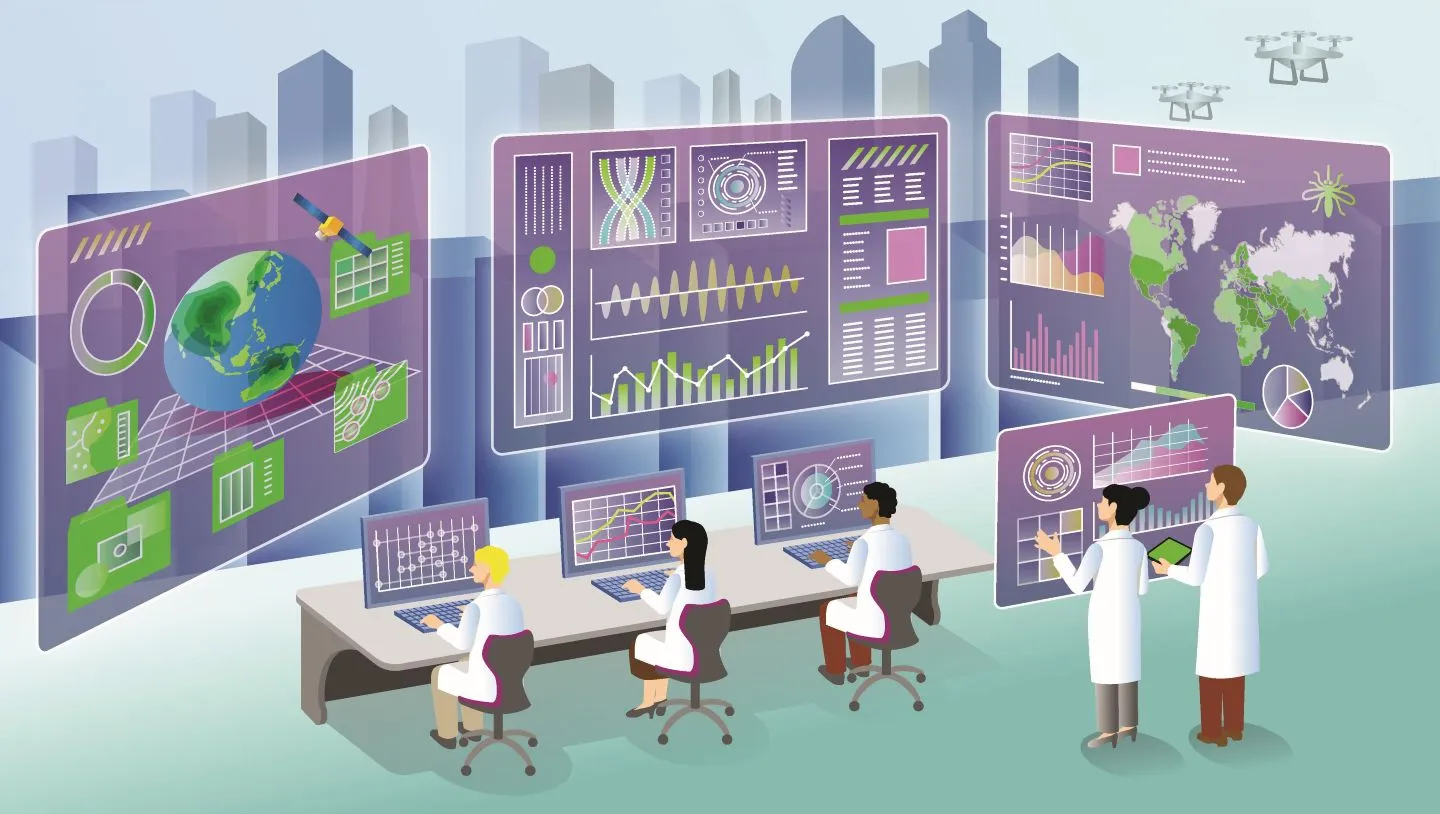
・Improving accuracy of disaster and outbreak prediction by incorporating climate change and other variables
・Creating infrastructure to minimize disaster and infection impacts, as well as education and culture to guide response
・Promoting health literacy and preventive knowledge in collaboration with public health systems
A new form of science: Tackling future disasters
How do you intend to create a society resilient to disasters?
Ishino Japan is said to rank third in terms of natural-disaster risk. However, natural disasters and pandemics cannot be predicted or prevented. My long-term goal as a PD is to protect people's livelihoods, lives, and dignity under any circumstances. The English term, "resilience," as used in the VI: Resilience-Tech Society, may be unfamiliar to many in Japan. It refers to the ability to recover and adapt with flexibility. I believe the term also carries a sense of mutual support and human consideration - a form of kindness. To foster resilience, we need robust preparations that enable mutual support in any situation. We aim to achieve this through the power of science. However, such preparedness cannot be built overnight. We must learn from past disasters, accumulate knowledge, and gradually develop a disaster-resistant social structure, repeating this cycle over and over. Through this continuous process, we aspire to create a society that is highly resilient to both disasters and pandemics.
From our experience with COVID-19, various challenges have emerged. One is the spread of rumors and fake news. No matter how effective a vaccine is, it won't reach people if anxiety overwhelms them. Developing scientific approaches to reduce anxiety and convey accurate information is an important task.
What are your hopes for the future of science?
Ishino When we talk about science, we often emphasize convenience and novelty. However, our priority is to bridge science and society in areas that generate public benefits but are often overlooked, such as protecting people's livelihoods, lives, and dignity from natural disasters. As globalization progresses, it becomes increasingly important to establish mechanisms for international collaboration and support.
As global support system change, what happens in certain regions or institutions can have far-reaching implications. To address this, we must develop a framework that offers stable support through research, technology, and human resources. This includes cultivating human resources who can contribute on the global stage, regardless of nationality.
I hope that through our VI, young and aspiring researchers will see that their in-depth work can ultimately help make our planet a better place.
Resilience originally referred to psychological recovery. I appreciate its multi-faceted meaning: restoration, recovery, and flexibility. While it may be impossible to completely eliminate damage from disasters, I firmly believe that uniting scientific fields around this mission can reduce damage and protect people's livelihoods, lives, and dignity. My goal is to help shape a humane future where science gently supports people - a society that can truly be called resilient.
Interview date: October 28, 2025 (via Zoom)
Profile
Tomoko Ishino
Professor, Department of Parasitology and Tropical Medicine
Graduate School of Medical and Dental Sciences
Science Tokyo