
A favourite in many households and a vital source of income for farmers, citrus plays an important role in Indonesia's agricultural economy.
As the country's fourth-largest fruit crop by production, citrus can contribute up to 80% of household income. Production reached A$4.45 billion in 2023, with A$2.41 billion flowing directly to farmers.
Yet a silent threat looms: huanglongbing (HLB).
HLB is one of the most devastating diseases affecting citrus worldwide. It is caused by a bacterium that stops citrus trees from behaving normally.
Infected trees produce smaller, bitter and acidic fruit, experience stunted growth and eventually die. Symptoms are not always obvious, and when they do appear, it is often already too late. There is no cure.
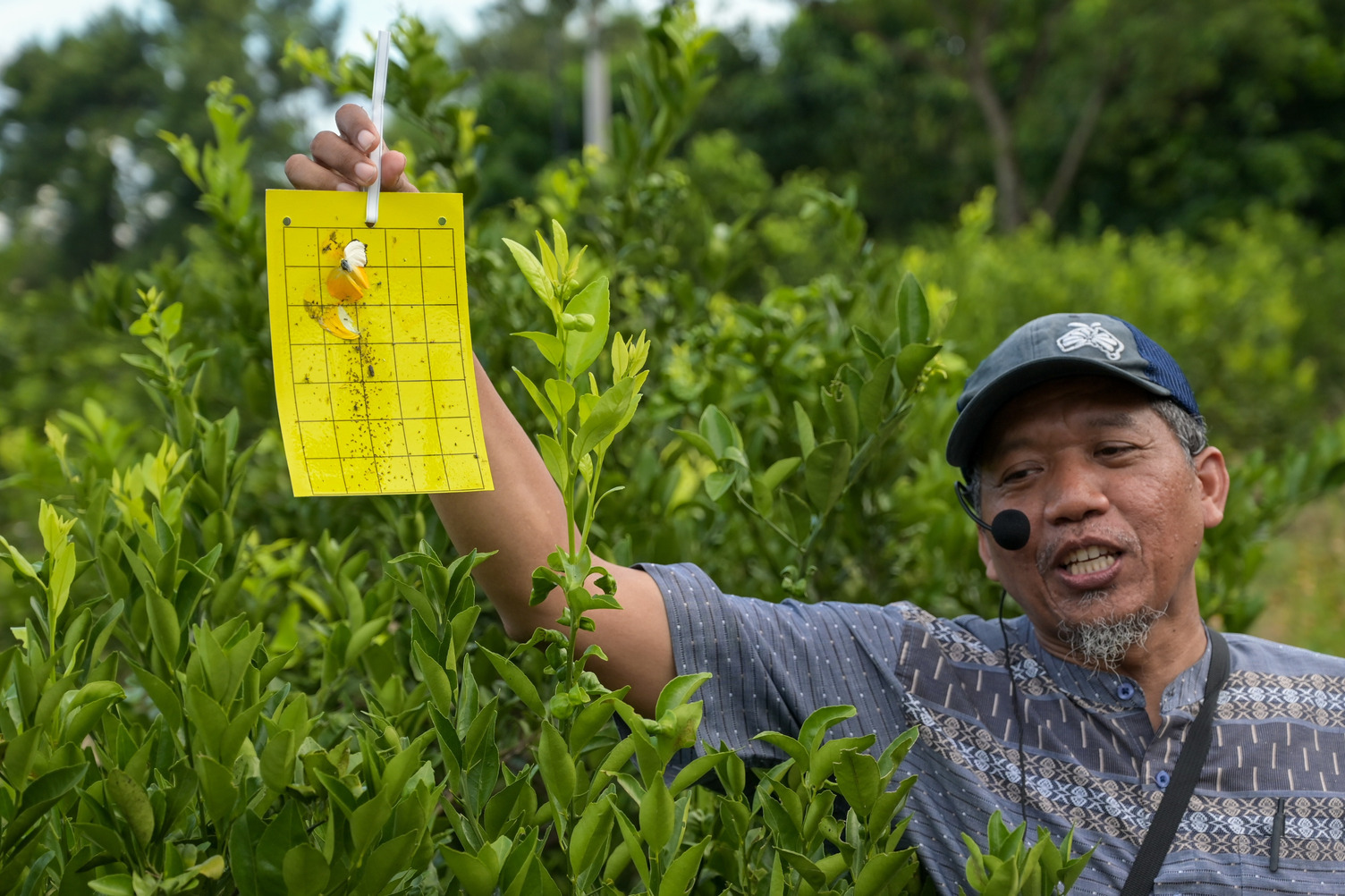
While the disease can spread through human-assisted movement of infected planting material, it is most commonly transmitted by the Asiatic citrus psyllid (ACP). Measuring just 3-4 mm in length, this tiny insect is difficult to detect, particularly at low population densities, allowing the disease to spread largely unnoticed.
A collaborative response rooted in science
For Indonesia's smallholder citrus farmers, most of whom cultivate less than one hectare, this poses a serious risk. HLB infection can reduce farm earnings by as much as 60%.
In response, a A$1.78 million ACIAR-supported research project brought together expertise from the New South Wales Department of Primary Industries and Regional Development (NSW DPIRD), the Australian citrus industry, and researchers in Indonesia and China to better understand HLB and its insect vector ACP.
The collaboration focuses on strengthening early detection, improving preparedness and developing practical, sustainable management strategies suited to smallholder farming systems.
Beyond research, the project is designed to ensure that knowledge translates into action, supporting farmers to respond earlier and limit the spread of disease.
Practical solutions on the ground
A key focus of the project is identifying solutions suited to Indonesia's smallholder farming context. This includes trialling planting systems that show greater tolerance to HLB, looking into why Australian native citrus appears less affected and testing repellents and attractants to improve detection and control of ACP.
The project is also building awareness of the long-term benefits of starting with healthy, disease-free planting material, an essential foundation for managing HLB.
For farmers like Mr Nanda Budi Prayuga, co-founder of Jeruk Tanpa Musim Integrated Farming System Indonesia (JIFSI) Milenial Indonesia, a community-based corporation established by young citrus growers, the project is already shaping farm-level decision-making.
The project has given our farmers critical lessons in preparedness and farm management.
It has provided us with a better understanding of the disease, better knowledge to prevent it and has inspired us to adapt lessons from research and management approaches in Australia and China.
Mr Nanda Budi Prayuga,
Jeruk Tanpa Musim Integrated Farming System Indonesia (JIFSI) Milenial Indonesia
Strengthening surveillance and extension
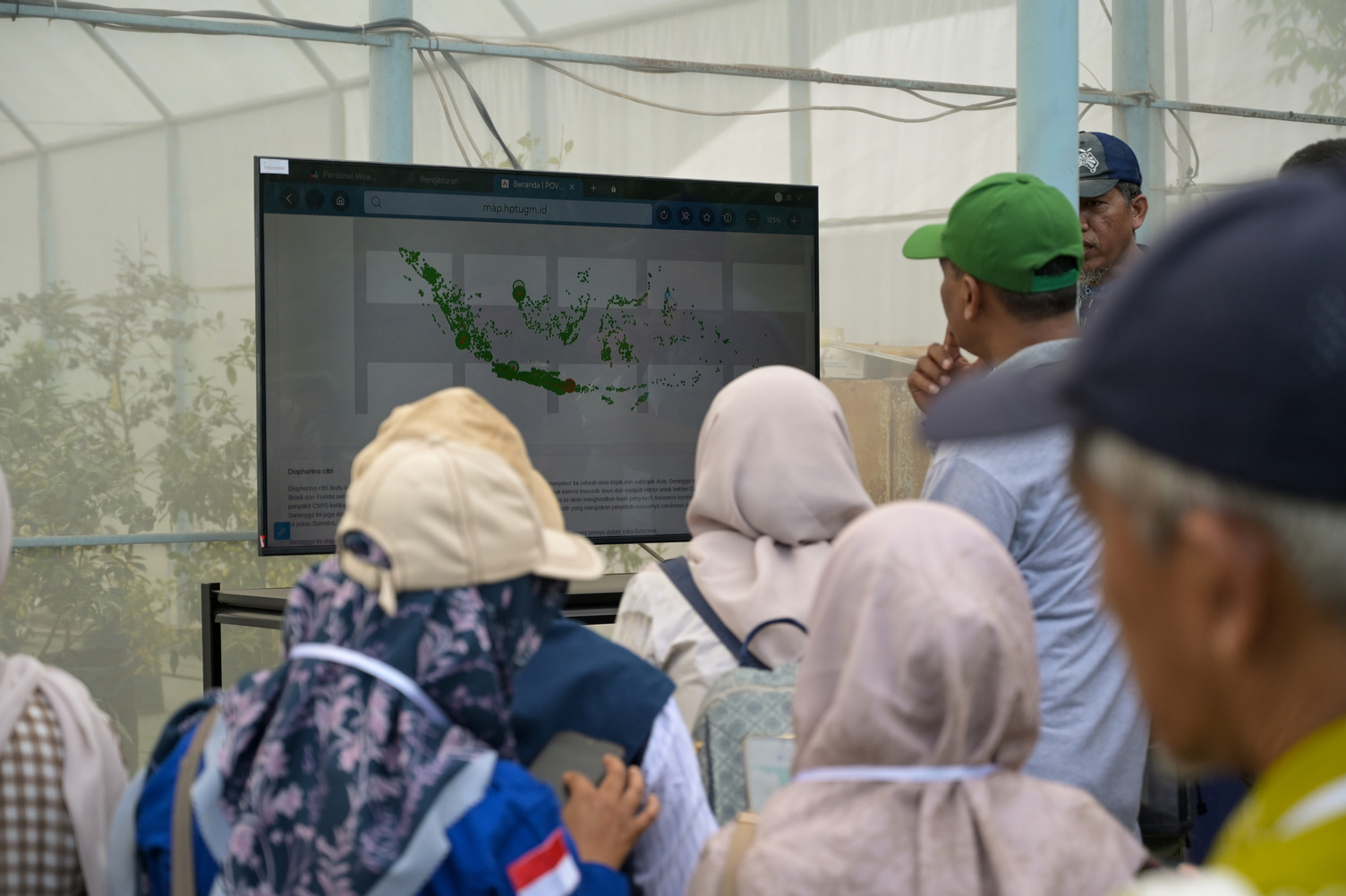
The project is also developing an interactive citrus map that identifies where HLB and ACP are present, and when ready will also help predict where they may spread next. Inspired by Australia's CitrusWatch, the platform encourages farmer participation, allowing growers to contribute observations and data, strengthening surveillance through citizen science.
Extension is another critical pillar of the project. Surveys, training workshops and targeted resources are helping to build practical skills and strengthen Indonesia's extension systems, including plant pest and disease observers, ensuring research reaches farmers and can be put into practice.
For Ms Lian Nur Aini, an Indonesian Ministry of Agriculture extension officer in Malang Regency, the project has strengthened both her technical expertise and role as a link between researchers and farmers.
'The knowledge I gained through interactions with researchers has enriched my understanding and opened up many opportunities to develop regional potential through agricultural extension activities, both as extension materials and through discussions with farmers,' she said.
Ms Aini added that through this collaboration, the project helps assess technologies and innovations, supports more constructive dialogue at the field level and builds optimism about farmers' readiness to try and adopt new approaches.
Sharing citrus success
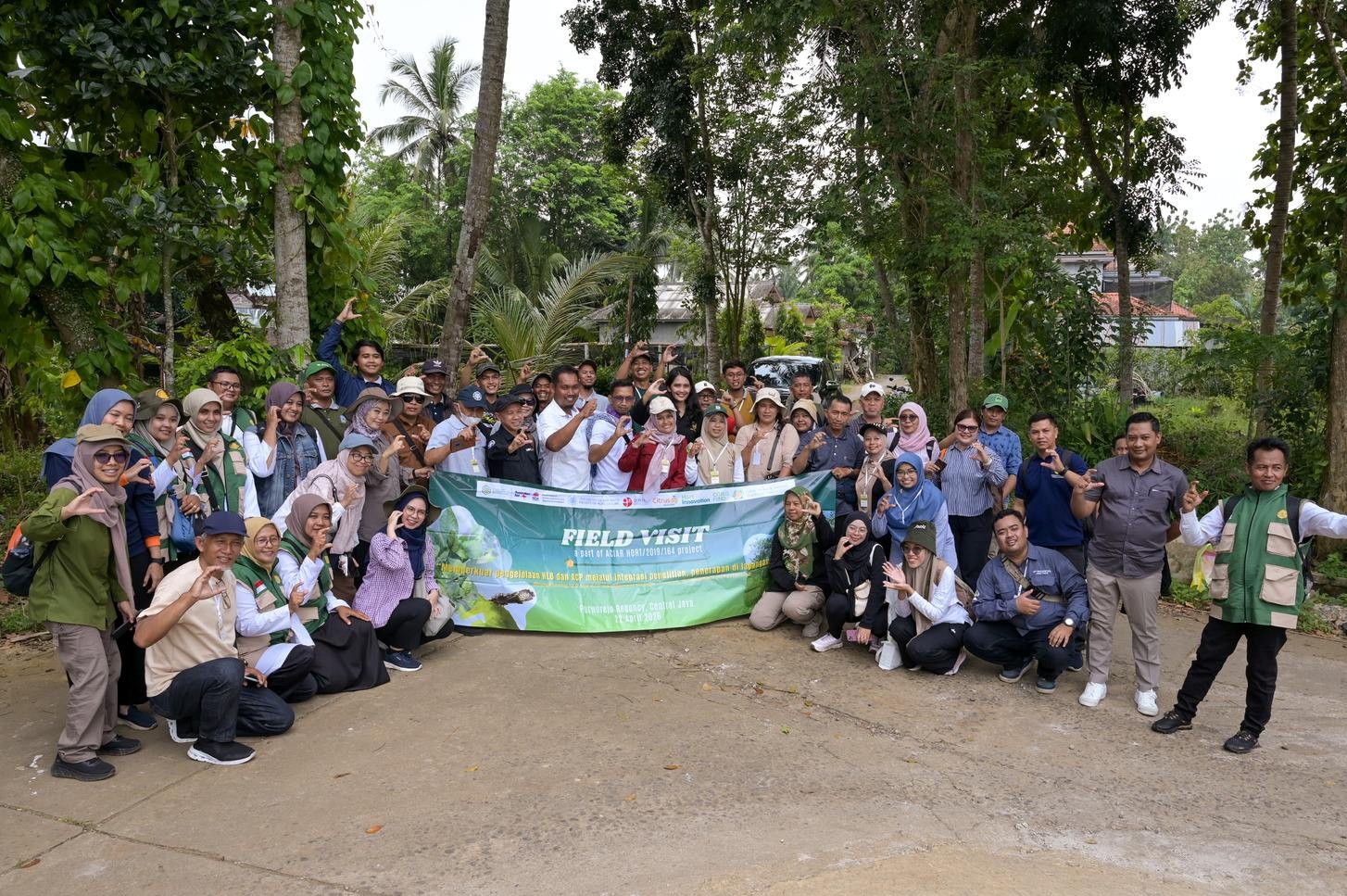
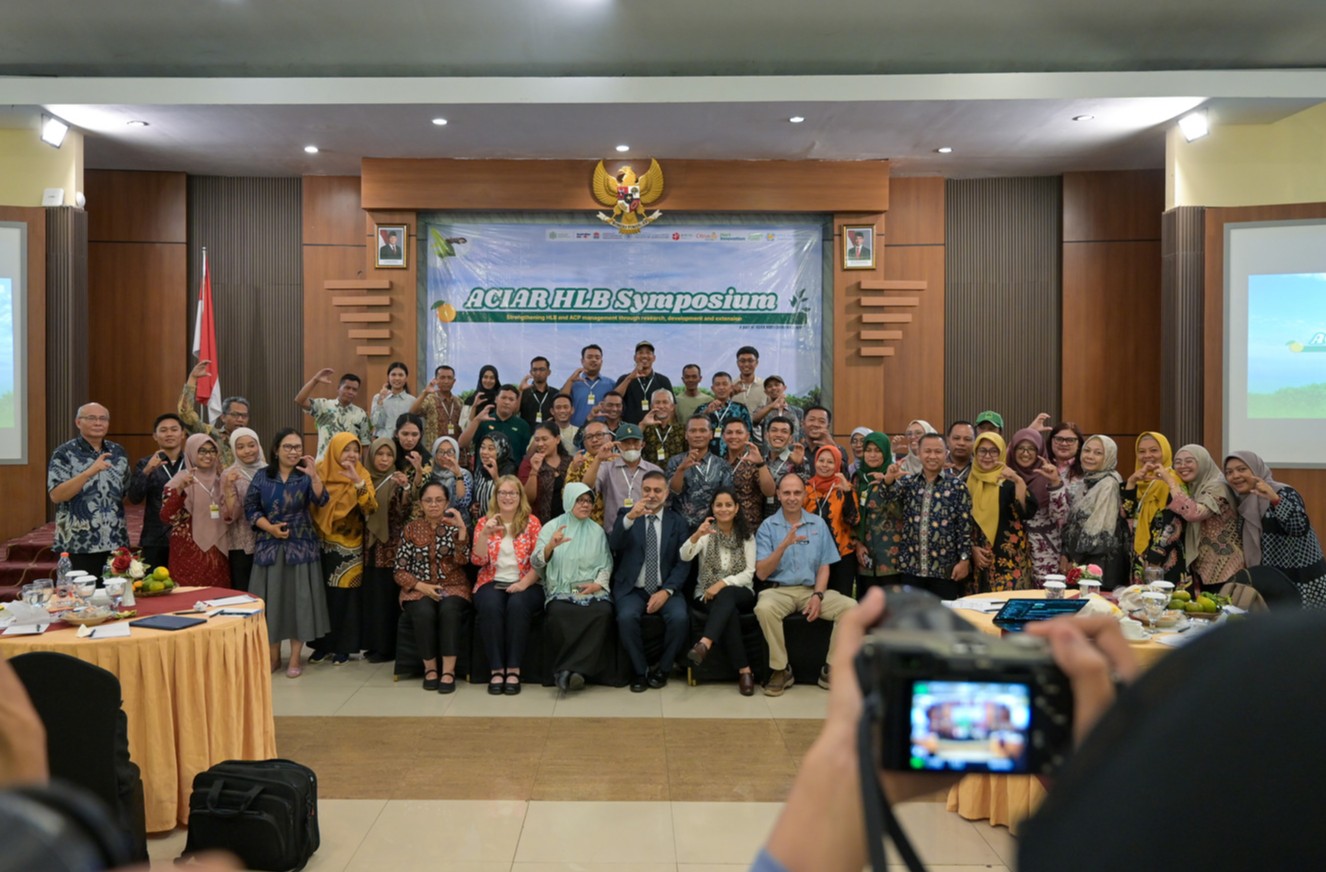
The project's emphasis on knowledge exchange was also demonstrated at a recent national symposium in Yogyakarta, which brought together researchers, farmers from citrus production centres in the Java, Bali, Sumatra and Kalimantan islands and government representatives.
Participants shared research findings alongside farmer experiences, with sessions covering citrus cultivation, disease management and income diversification. Meanwhile, field visits enabled them to explore how different approaches could be adapted in their own regions.
Farmers described the event as highly valuable, with many planning to share insights and practices with others in their communities, extending the project's impact beyond the event.
Strengthening regional biosecurity
The project also plays an important role in strengthening Australia's biosecurity preparedness.
HLB is not currently present in Australia, but its spread in nearby countries highlights the need for vigilance. If introduced, the disease could severely impact Australia's citrus industry, disrupting both domestic supply and export markets.
'It is so important for Australia to prepare its citrus industry for this potential threat so we can respond quickly and reduce its impact if it ever arrives,' said project leader Dr Meena Thakur from the NSW DPIRD.
Dr Sandra McDougall, ACIAR Research Program Manager for Horticulture, noted that the collaboration delivers mutual benefits.
This partnership strengthens Australia's biosecurity preparedness, reduces the risk of disease incursions and increases regional resilience.
Australia's expertise in citrus biosecurity, pest and disease management and surveillance can test management strategies under HLB pressure and together, with the Indonesian research, extension and smallholder grower collaboration, find practical, scalable approaches that complement regional efforts.
Dr Sandra McDougall,
ACIAR Research Program Manager for Horticulture
Collaboration for lasting impact
At its core, the project is built on collaboration, linking researchers, farmers, officers and institutions across borders.
'This project is more than research. It is a collaborative effort to improve the livelihoods of smallholder farmers,' said Dr Thakur.
Professor Siti Subandiyah from Universitas Gadjah Mada highlighted the project's strong focus on practical outcomes.
'While this is scientific research, we are equally focused on how disease management approaches can be applied at the farmer level,' said Professor Subandiyah.
'An inclusive approach ensures knowledge is shared, capacity is strengthened and farmers are better equipped to build resilience.'
The project also invested in capacity development by actively engaging seven Master's and six PhD Indonesian students. One student also undertook further study in Australia, helping build long-term capacity in citrus health.
Building foundations for resilience
Sustaining the project's impact will depend on strong, continued partnerships.
'Embedding these approaches more broadly requires alignment across research, extension and policy settings, particularly where long-term investment and coordination can help amplify impact,' said Dr Thakur.
The project's outcomes may also contribute to Indonesia's broader efforts to strengthen domestic production and reduce reliance on imports.
By combining scientific innovation with practical application and regional collaboration, the project is laying the groundwork for more resilient citrus industries, helping farmers and countries stay one step ahead of HLB.


