
Although people in Japan tend to live long lives, this does not necessarily mean they are healthier than other populations. New research from Karolinska Institutet and collaborators shows that Japanese and Swedish older adults have a similar number of healthy life years - if 'healthy' is defined as living at home without the need for formal elder care. However, mortality among individuals receiving elder care is lower in Japan than in Sweden.
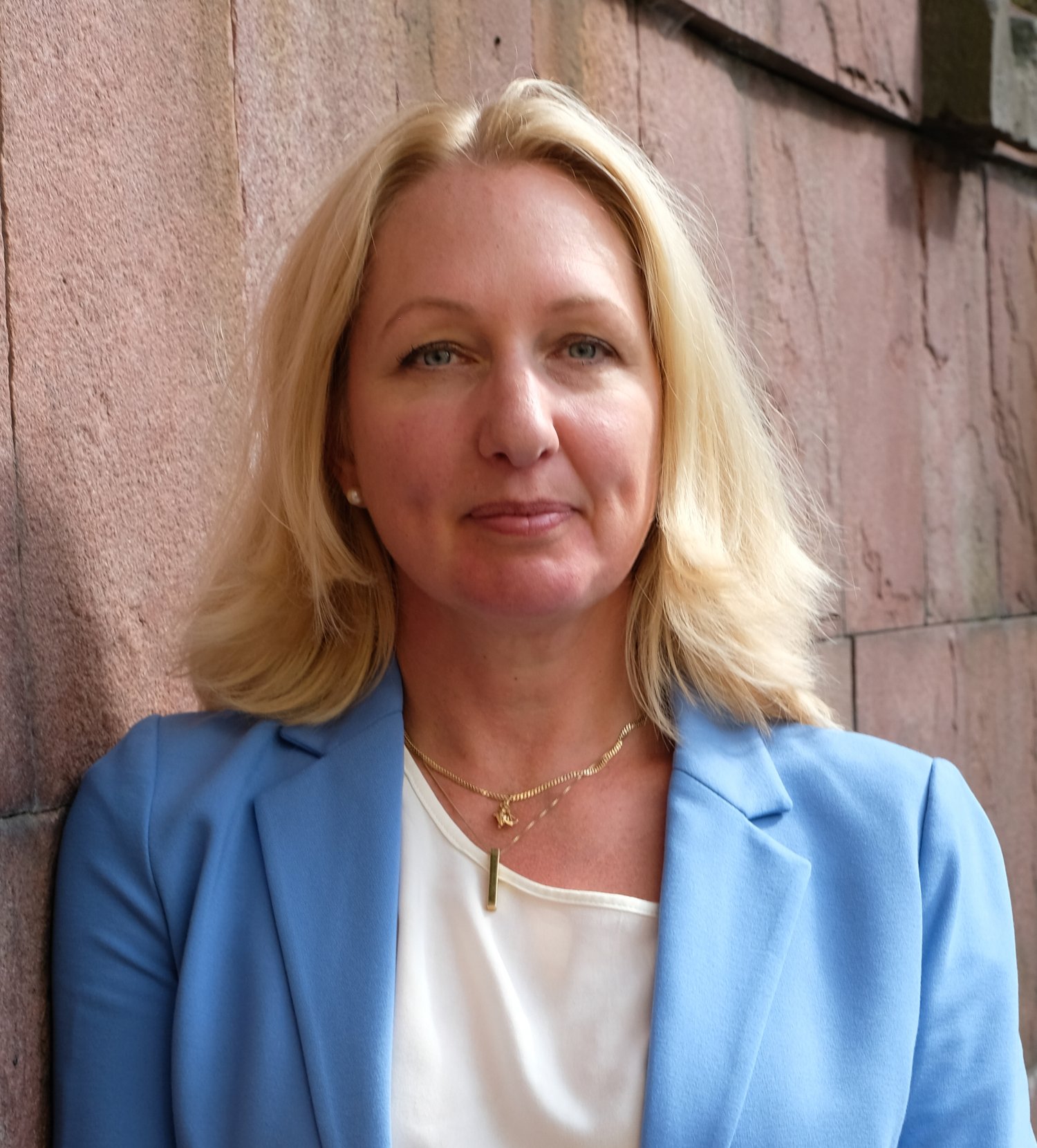
"Perhaps Japan's long life expectancy is not primarily due to the population being healthier? Our findings paint a more nuanced picture and instead suggest that the differences mainly arise among those who require care," says Karin Modig , senior lecturer and associate professor at the Institute of Environmental Medicine , Karolinska Institutet.
She led the study, which compared remaining life expectancy at age 75 for women and men in Sweden and Japan using extensive register data. The study included more than 850,000 individuals in Sweden and over 330,000 individuals from nine municipalities in Japan. Participants were categorised into three groups based on whether they received home care, lived in residential care, or had no formal elder care.
More years in elder care
The results, published in BMC Medicine, show that older Japanese individuals generally have lower mortality than Swedes, but this difference is primarily observed among those receiving some form of elder care. A 75-year-old Japanese woman could expect, on average, 10.4 'healthy' years (years without formal care) and 5.1 years with elder care. The corresponding figures for a Swedish woman were 9.9 years without care and 3.8 years with care.
"This means that Japanese women can expect to spend more years in elder care, but we need to understand what drives these differences. It is important to identify which aspects of elder care influence longevity, especially as more people live to very old ages," says Shunsuke Murata , researcher at Karolinska Institutet in Sweden and Kobe University in Japan.
For men, the differences were small, with an average of 9.8 healthy life years in Japan compared to 9.6 in Sweden, and 2.2 years with elder care in Japan compared to 2.1 years in Sweden.
Several possible explanations
The researchers highlight several possible explanations for the differences in mortality among those receiving care. These include differences in who receives elder care and when, how care systems are organised, more extensive medical treatment at the end of life in Japan, and a greater reliance on family-based care at home.
"These are the first results from a collaborative project examining health among older adults in Sweden and Japan. We have already begun the next study, which will compare health across different stages of care," concludes Karin Modig.
The study is a collaboration between Karolinska Institutet and research groups at Kyushu University and Kobe University in Japan. It was funded by, among others, the Japan Society for the Promotion of Science, the JST FOREST Program (JPMJFR205J), the Scandinavia-Japan Sasakawa Foundation, and Karolinska Institutet. The researchers report no conflicts of interest.
Publication
"Understanding Japan's Mortality Advantage: A Comparison of Mortality in Independent and Dependent Older Adults in Japan and Sweden" , Shunsuke Murata, Marcus Ebeling, Rei Ono, Megumi Maeda, Katharina Schmidt‑Mende, Haruhisa Fukuda, Karin Modig, BMC Medicine, online 23 March 2026, doi: 10.1186/s12916-026-04786-z.


