
Frustration behind the wheel can increase the risk of accidents - but that is far from the only danger. Meet three researchers who are interested in road safety.
Text: Ola Danielsson for Medicinsk Vetenskap nr 1 2026
"Function is more important than age"
Namn: Marie Skyving
Title: Doctoral student at the Department of Global Public Health, Karolinska Institutet.
Researches: Traffic accidents among older drivers.
"My research interest was sparked during my master's programme when I studied fatal accidents involving elderly drivers and saw that they occurred under strange, seemingly inexplicable circumstances. I realised that I had to investigate how the elderly drivers were actually feeling.
We know that illness plays a role in driving ability, but different illnesses have been studied to varying degrees. For example, we know that cardiovascular disease is common among older drivers who are killed in accidents, but we don't know as much about accidents in which they do not die. This does not mean that everyone with cardiovascular disease is an unfit driver, but certain conditions pose a traffic risk and should be monitored by doctors, regardless of age.
Being older does not in itself make you a worse driver. However, older people are more fragile, which increases the risk of serious injury in the event of an accident. Driving ability changes over the years, but many older people adapt by avoiding, for example, driving in the dark, rush hour traffic and bad weather.
Many people want age-based health tests for driving licences. However, research shows that this would have no effect, and it would be very costly and unfair. Losing your driving licence also has a significant impact on your quality of life. My message is therefore clear: it is your ability to drive that counts - not your date of birth. Drive as long as you feel safe, but be alert to signals from both your body and your surroundings that may indicate otherwise."
"Companies have a big responsibility"
Namn: Helena Stigson
Title: Road safety researcher at Folksam, affiliated with the Department of Clinical Neuroscience, Karolinska Institutet.
Researches: How road safety can be improved to bring us closer to Vision Zero.
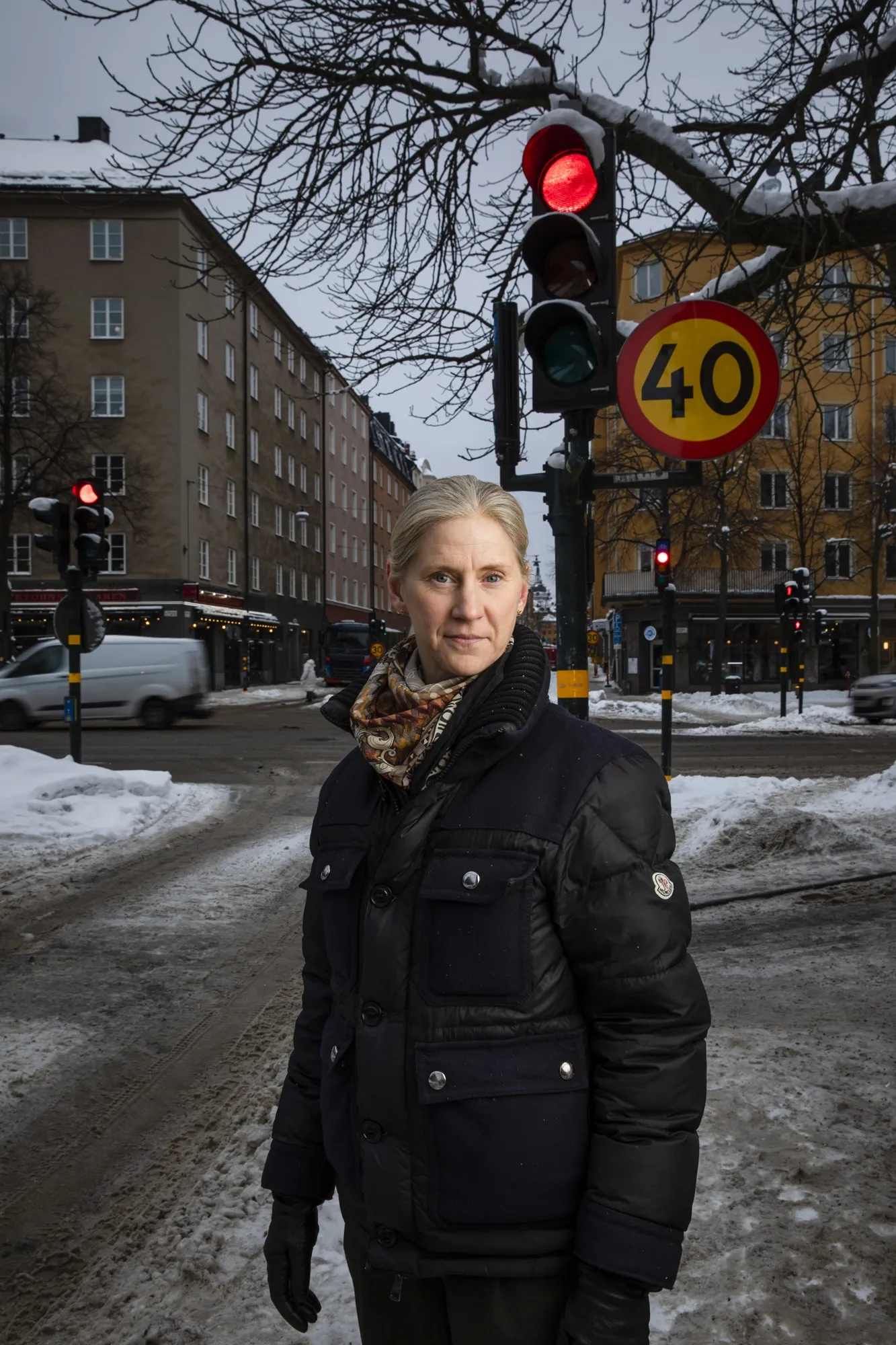
"My research shows that almost half of all fatal traffic accidents are work-related - either occurring while on duty, by being hit by someone who is working, or on the way to or from work.
If you fall from scaffolding, it is investigated as a workplace accident, but rarely if you are killed in traffic. When we reviewed the statistics, we saw that the Swedish Work Environment Authority was only aware of 10 out of 23 work-related traffic fatalities, and the police did not investigate them as suspected work environment violations. The responsibility then falls entirely on the individual driver.
But companies have a big responsibility here. Road safety must be seen as a work environment issue, with clear policies and access to safe vehicles. Employees should not have to drive old cars without modern protection systems. Procurement should include requirements for crash safety and speed support, and there are international standards that help companies follow up on their work.
If everyone kept to the speed limits, 70 lives a year would be saved. Our speed measurements show that half of professional drivers drive too fast, even on 30 km/h roads outside schools. Companies therefore have great potential to influence road safety developments. In the same way that climate footprints are monitored, road safety footprints should also be monitored. It is a sustainability and management issue - not an individual problem."
"Cars can be designed to prevent anger"
Namn: Hannaneh Yazdi
Title: Researcher at the Department of Clinical Neuroscience, Karolinska Institutet.
Researches: Frustration.
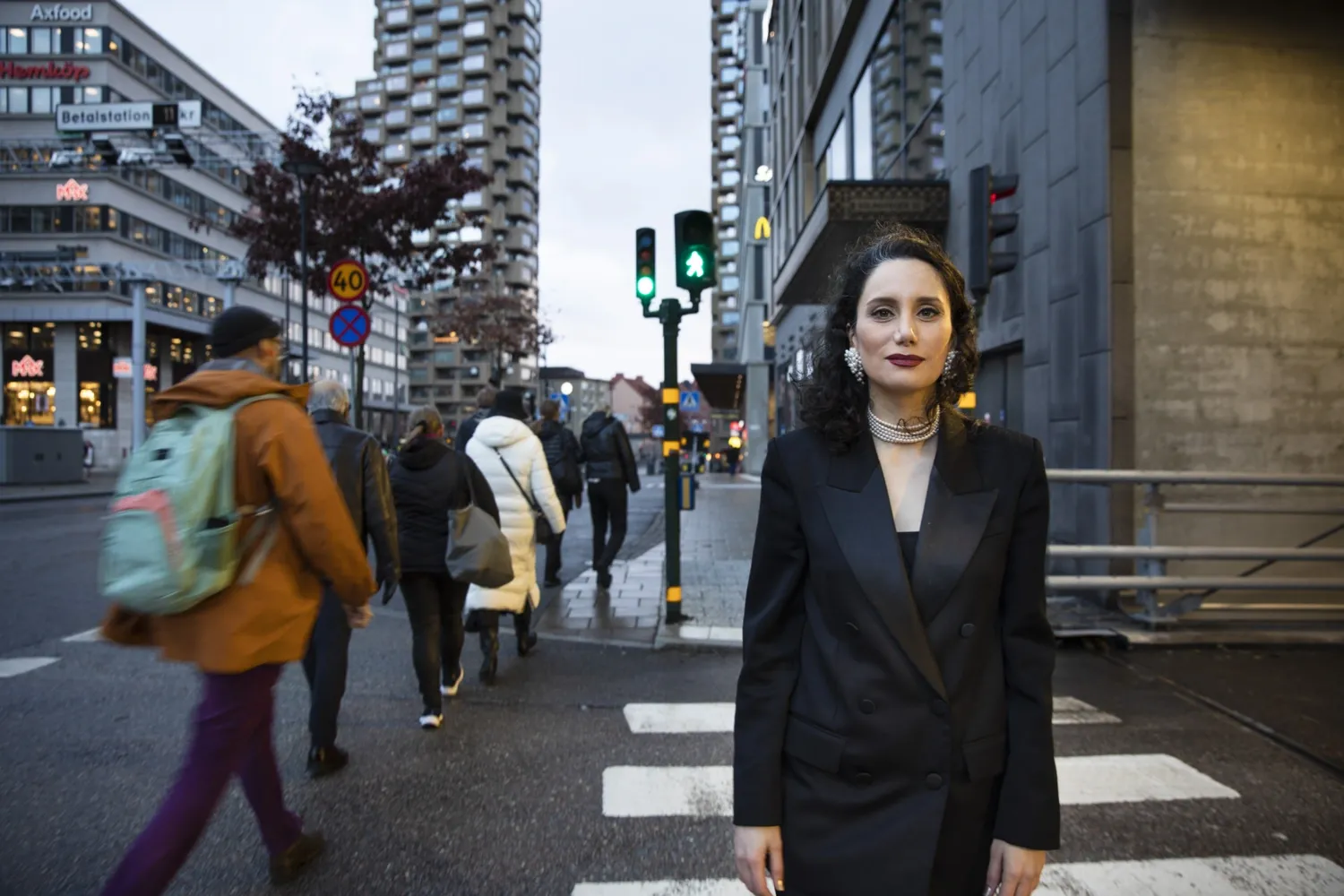
"When the driver behind you honks their horn, it can be a sign of frustration - a feeling that arises when we are prevented from reaching a goal. Frustration can motivate us to solve problems, but it can also develop into anger and become a traffic hazard.
I have studied what frustrates drivers and how it manifests itself. Delays such as traffic jams, perceived stress and making unintentional mistakes such as driving past an exit are common triggers. Reactions vary: some laugh it off, others become angry or helpless.
Since frustration is highly individual, the traffic system needs to take our differences into account. For example, traffic signs should be understandable even to people with different functional variations.
Cars can also be developed to prevent anger. Small things can make a difference, such as the driver being notified that an error report has been sent when the navigation system malfunctions, or encouragement to listen to their favourite song when their driving style seems frustrated.
We feel frustration in many contexts, but it doesn't have to be negative. I try to develop methods to help people deal with frustration in a constructive way, as a source of creativity and energy rather than anger or helplessness.
I myself get frustrated by injustices, such as when someone takes my parking space. Then I pause and ask myself: do I want to be angry now or move on and try to put my energy into something more constructive?"


