Institute of Science Tokyo (Science Tokyo) launched the Visionary Initiatives(VIs) - a cross-disciplinary, integrated research framework -in the 2025 academic year to co-create new value with society while advancing science and human wellbeing. Currently, six VIs are tackling the challenge of shaping the future, with each developing distinct shared visions for societal transformation based on three pillars: "Better Life," "Better Society," and "Better Planet."
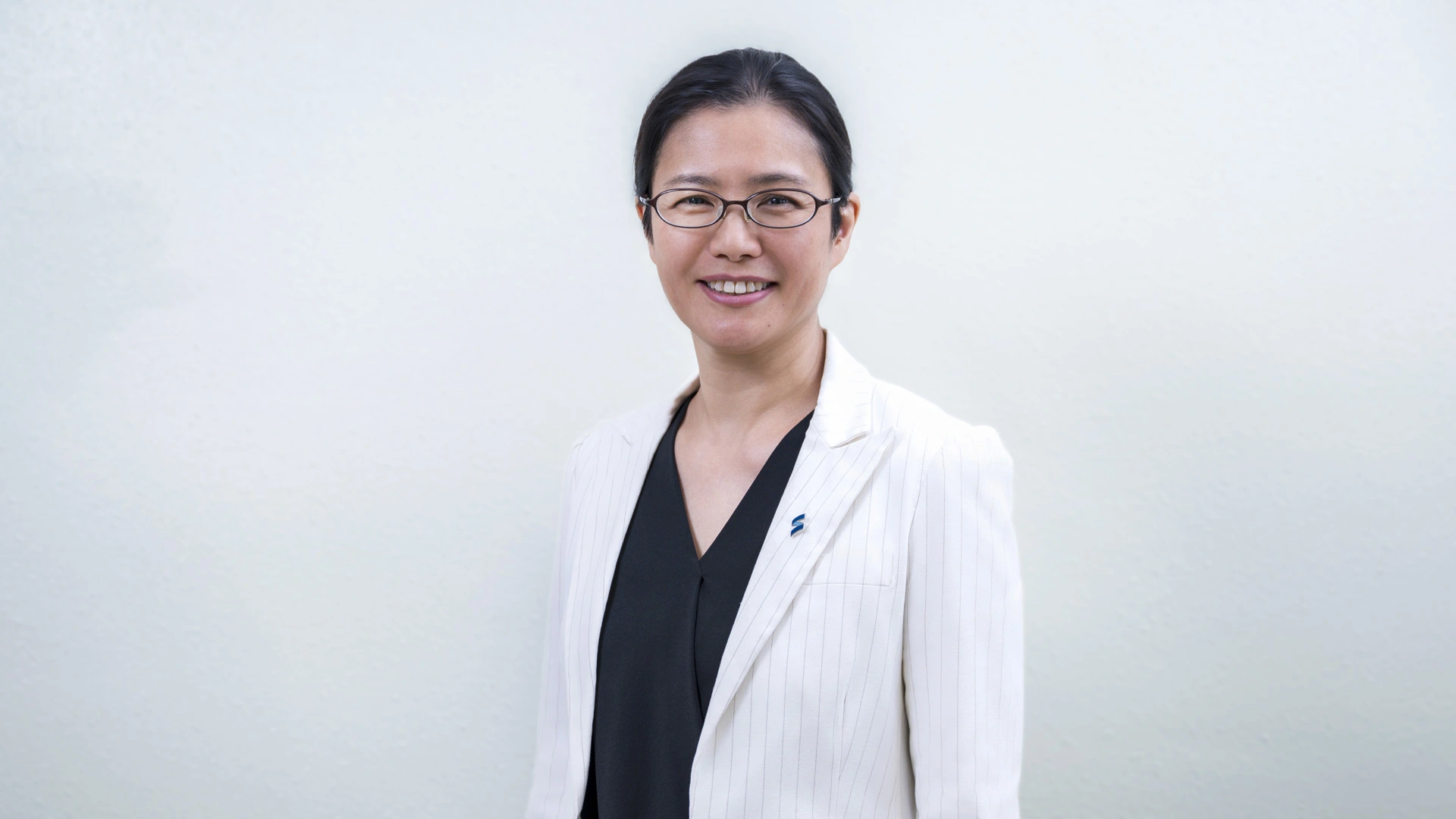
Professor Kumi Kuroda of the School of Life Science and Technology is one person taking on this challenge. Kuroda serves as program director (PD) of the VI: Well-Vitality Science - Each person achieving a mentally rich and diverse life. In this article, Kuroda discusses from a neuroscientific perspective how to help people lead better, authentic lives by integrating brain science, gerontology and sports science with a wide range of other academic disciplines.
Journey from astrophysics to brain science: Discovering how mental wellbeing is rooted in parent-infant relationships
Could you tell us how your research began, and how you feel about delivering results to society?
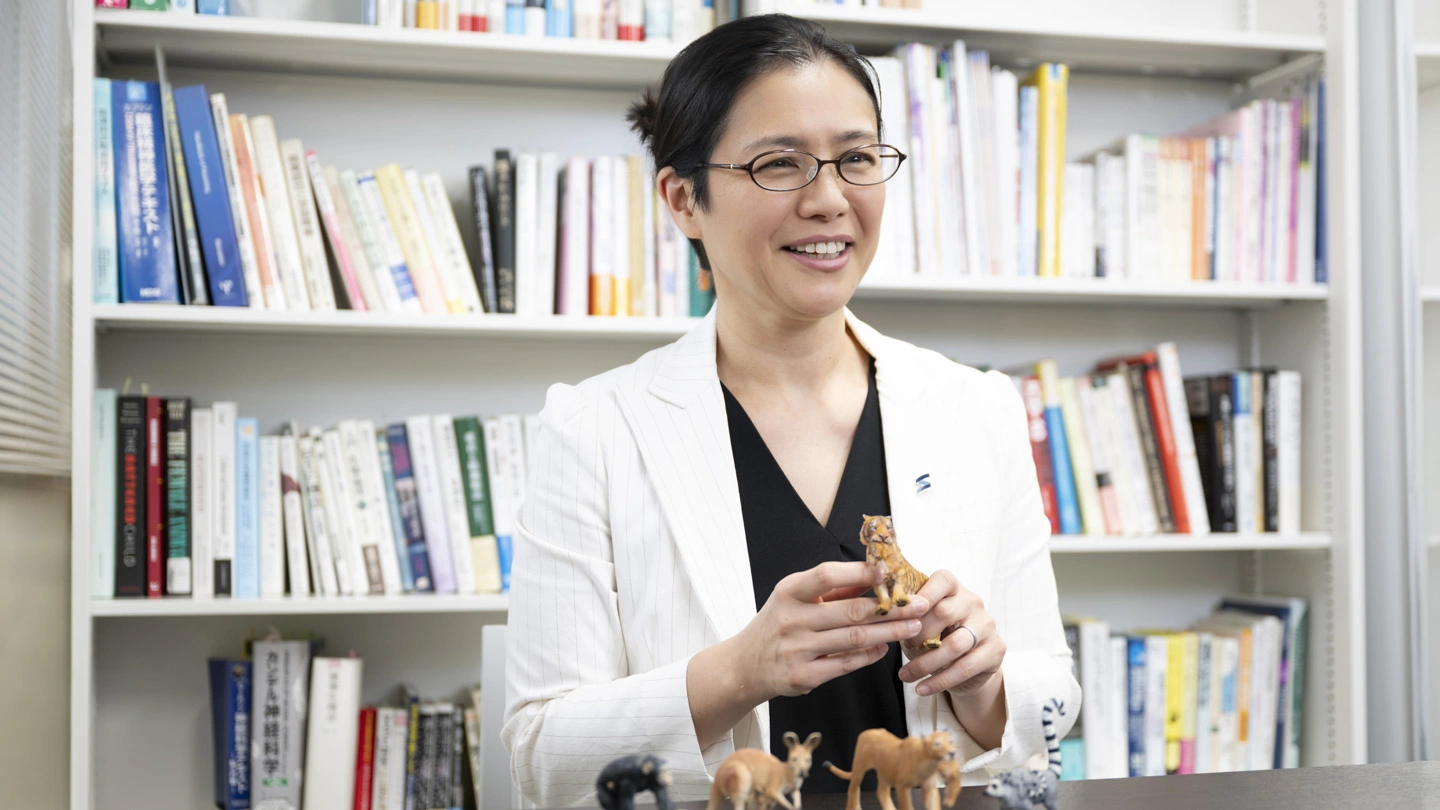
Kuroda I originally studied astrophysics before transitioning to medicine. As a trainee in psychiatry, I heard patients with eating disorders and depression describe their relationships with their parents, and I realized how profoundly those relationships affected mental health. Given my aspiration to become a mother, pursuing the parent-infant relationship scientifically was a natural path for me.
Currently, our lab investigates how mammalian brains establish parent-infant relationships. First, we identified a brain region required for caregiving and then pinpointed the specific neurons in that region essential for parental behavior. On the child side, we were the first to demonstrate that human infants show a "transport response" - an immobile posture when they are carried - which represents an attachment behavior similar to following a parent. We are now exploring the neural mechanisms behind it.
In February 2025, we released SciBaby ↗, a free smartphone app that helps parents soothe babies and manage their sleep. SciBaby began as a practical tool for parents dealing with infants who cry for long periods or have difficulty in settling to sleep. Our goal is to evolve it into a diagnostic aid by combining biological big data from infants with machine learning. Once this system is established, it will automatically collect household data via Wi-Fi and provide scientific support to parents, children, and pediatric care providers.
Parent-infant relationship research is basic science, yet its findings can be delivered directly to society. For example, just a day after my 2022 paper on baby-soothing methods came out, I saw a social media post from someone who had successfully put a baby to sleep by carrying for five minutes and then sitting for eight. As a researcher, responses like that are deeply rewarding - they showed me my work can provide immediate, practical help.
Supporting parents fosters children's wellbeing
How does your research align with VI?
Kuroda Children develop as they adapt to the environment in which they are brought up, and relationships with primary caregivers - parents, grandparents, and others - are a crucial part of that environment. When children experience abuse, for example, they are more likely to develop mental or physical illnesses.
Conversely, caregivers need to feel valued and supported by society to care for children lovingly. The same applies to professionals who work with children - childcare providers, teachers, and pediatricians - who cannot provide kind, effective care if their own lives are unsatisfactory. Coordinated support from families, communities, and society at large is therefore central to the VI: Well-Vitality Science. Our foundational research on parent-infant relationships and mental health provides the scientific basis for this aim.
What goal do you want to accomplish first as PD?
Kuroda I view PD's role as a catalyst - fostering cross-disciplinary collaboration among researchers of the VIs to develop joint research projects that yield substantial results. To advance research, we must secure sufficient time and financial resources. My first priority is creating an environment that allows researchers to engage in research without constraints by establishing a robust ecosystem - for example, by employing research assistants to handle research and clerical tasks to ensure smooth operations. I also prioritize the swift review and reform of inefficient administrative procedures so researchers can devote more time to their work.
Advancing mental science through interdisciplinary research and social collaboration
How do you plan to advance interdisciplinary collaboration and partnerships with corporations and external institutions?
Kuroda Under "A society rooted in mental wellbeing," one of the four research themes of our VI, scholars in fields that interface with people and society - such as education, culture, living environments, and social systems - have convened to design social structures that foster connection and prevent isolation. Fundamental human happiness can be achieved when people are able to live the lives they choose while remaining connected to others.
To realize the theme "Understanding brain individuality to unlock human potential," we conduct research into technologies for unraveling brain functions and exploring their practical applications. Brain science is progressing rapidly. Capabilities once confined to imagination - such as manipulating the brain to change behavior or externally reading emotional states - are now becoming reality. To ensure these cutting-edge technologies are used responsibly in society, it is essential to establish well-considered consensus on legal and ethical issues. The academic community, rather than individual researchers, must engage in dialogue with society to consider what kind of future society we should strive for.
For the theme "Joyful aging for everyone," we focus on developing methods to maintain mental and physical health through anti-aging technologies and drug development. This team includes Honorary Professor Yoshinori Ohsumi, the Nobel Laureate in Physiology or Medicine (2016). He leads a research system that combines outstanding basic science with diverse applied sciences.
Finally, based on the theme of "Future-ready sports environments that nurture body and mind," is to enhance human physical potential through collaborations with the Paralympics and Olympics organizations, as well as overseas research institutes. Physical health is the foundation of mental wellbeing for everyone, not just athletes. As physical conditions evolve with lifestyle changes and aging, people need to learn how to use their bodies effectively to avoid movements or habits that could accelerate aging. In this field, we strive to develop advanced technologies that enable individuals to effectively utilize various body parts and functions - such as knees, jaws, fingers, the core, and metabolism - and to promote overall health through research on tailored exercises for all, including people with disabilities and seniors.
For example, I partnered with a baby product manufacturer to apply SciBaby to a smart child-care device. Additionally, I have also worked with the Ministry of Health, Labour and Welfare, the Children and Families Agency, and the Ministry of Justice to prevent child abuse. Researchers within our VI are actively expanding partnerships across industry, academia, and government sectors in their respective fields, with the goal of translating research into tangible benefits for society.
Well-Vitality Science: Each person achieving a mentally rich and diverse life
Well-Vitality Science aims to create technologies for wellbeing and active living
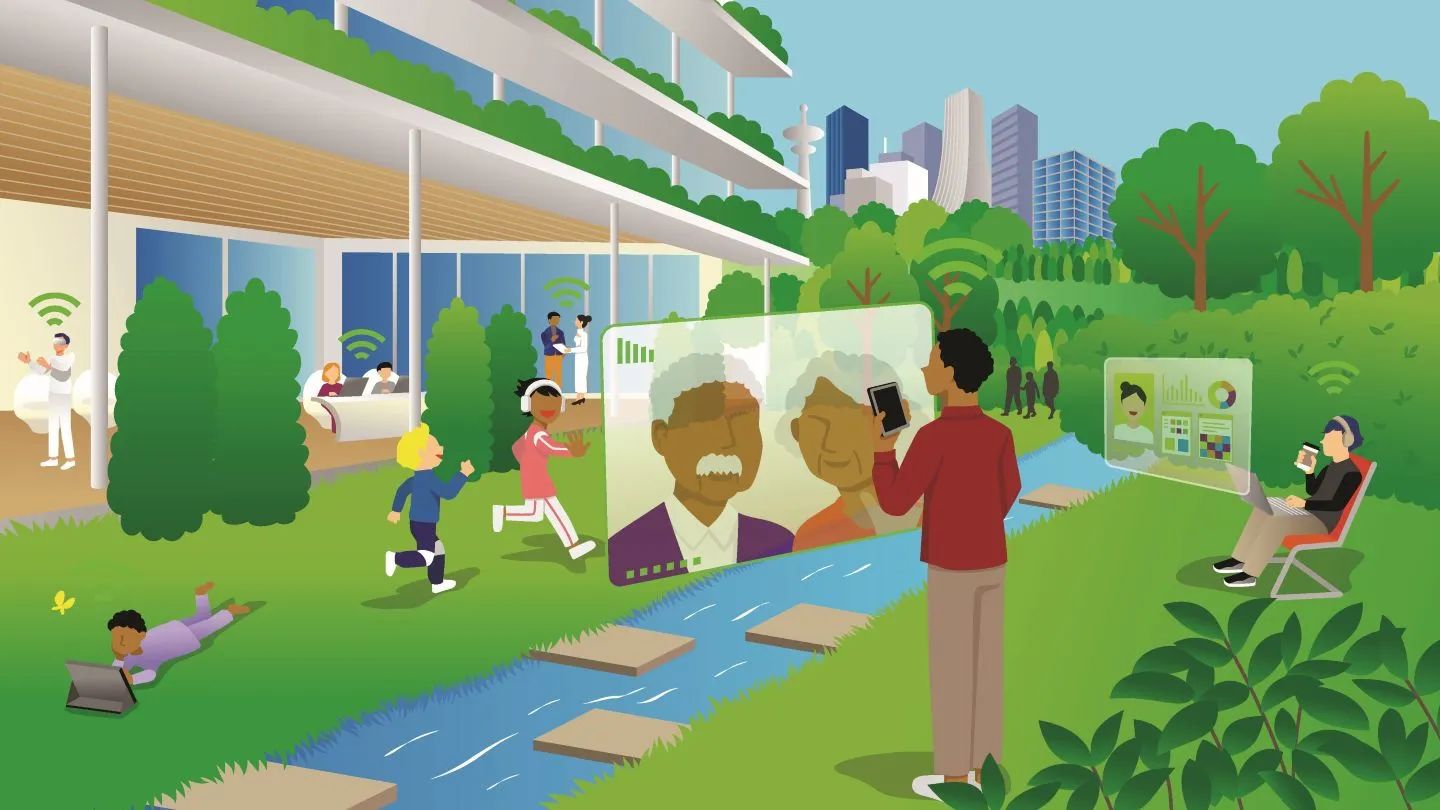
・ A convergence of comprehensive knowledge to strengthen human connection and prevent risk of social isolation
・ Advancing child support and education innovation for future society
・ Establishing cultural, spatial, social, and digital systems that foster emotional richness and diversity
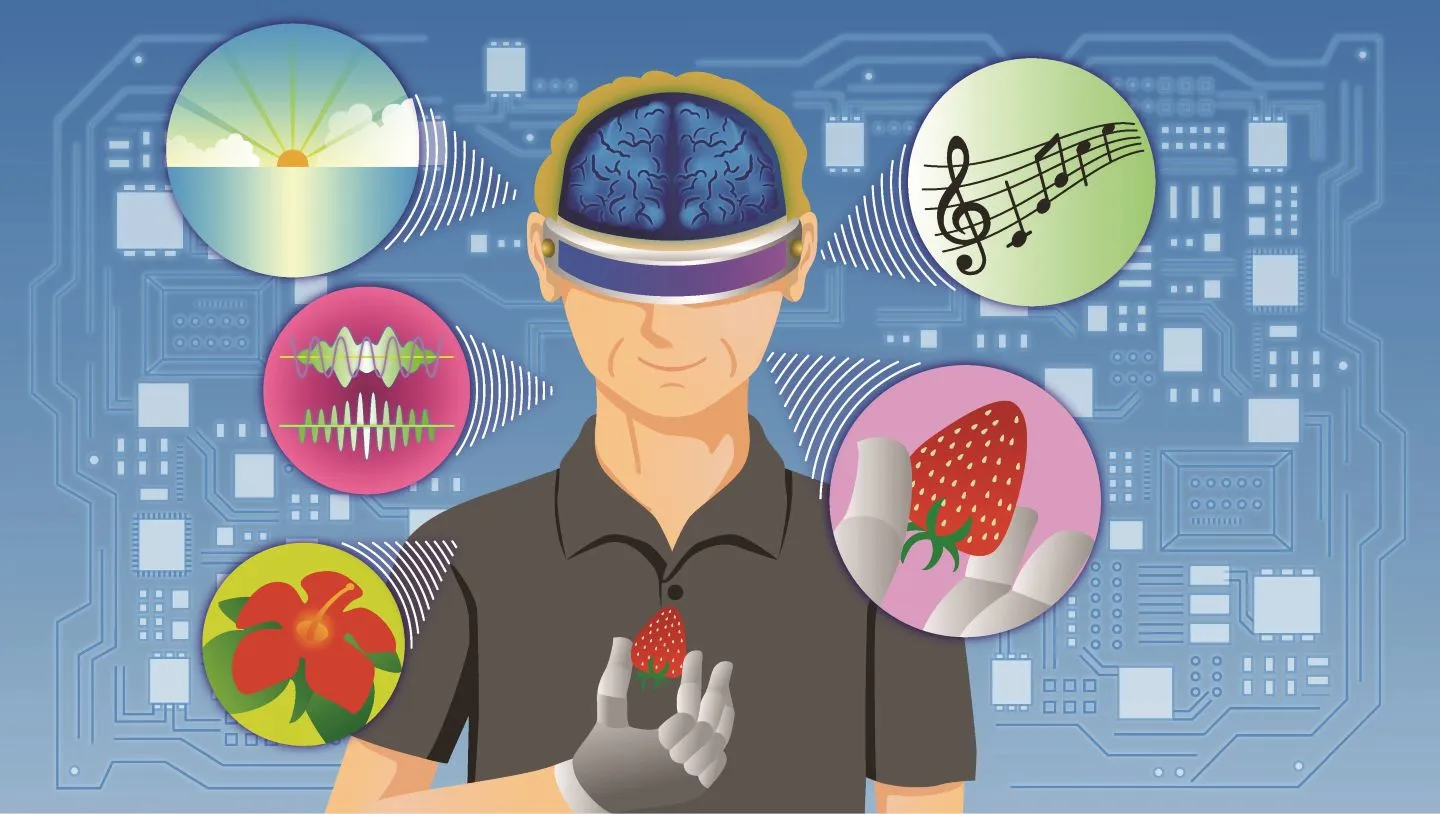
・Exploring science of the brain-mind relationship
・Developing breakthrough technologies to unlock the brain's latent potential
・Preventing and curing dementia and neurodegenerative diseases
・Designing technologies that enhance the five senses and allow comfort for all

・Understanding the mechanisms of aging and developing preventive therapies and medications
・Renewing dysfunctional molecules and revitalizing aged cells
・Advancing cellular rejuvenation technologies
・Maintaining whole-body health through inter-organ coordination
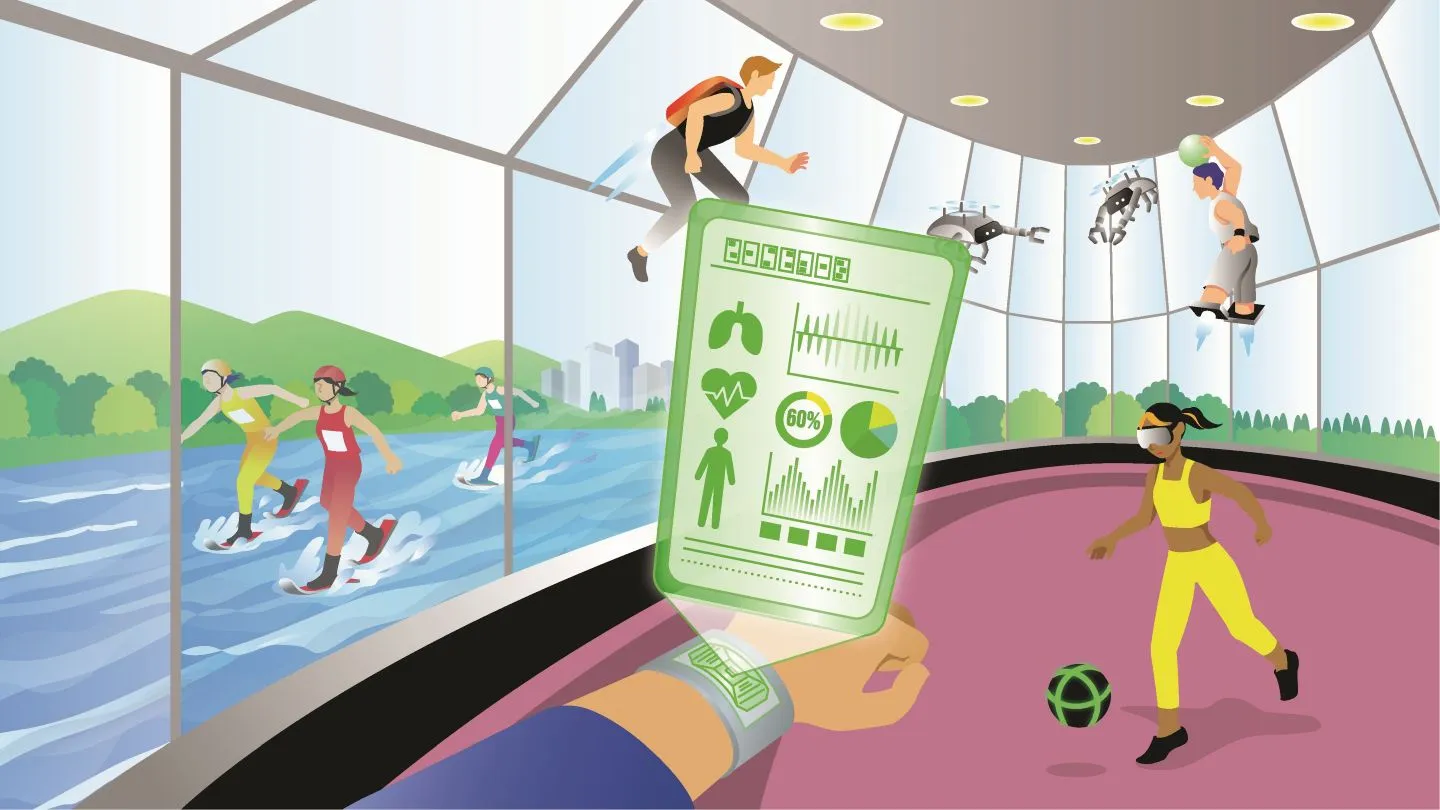
・ Promoting health through personalized, evidence-based exercise prescriptions
・ Advancing tech-integrated sports for all generations
・ Designing lifestyles that support physical wellbeing in both real and cyber spaces
Foreseeing the future 25 years ahead: Passing knowledge to next generation
What kind of future do you envision, and what do you want to pass on to the next generation?
Kuroda Bringing together researchers from diverse fields under a shared vision creates an opportunity to reflect on how their work can contribute to that vision. Participating in the VI encourages researchers to reconsider how they can enhance future human wellbeing. It also opens up new avenues for potential application they may not have previously noticed or prompts them to rethink their research directions.
Our VI: Well-Vitality Science looks forward to the future - specifically, 25 years ahead. For many researchers, this timeframe inspires reflection on what they can do for future generations. I believe that this desire to pass on knowledge will be a key driving force in building a better future.
Interview date: October 21, 2025 (at the Kuroda Laboratory, Suzukakedai Campus)
Profile