
Scientists of the Center for Promising Technologies in Microelectronics of Tomsk State University, together with FINPROMATOM LLC, created and successfully launch a new technology for the production of arsenide-gallium VGF HR-GaAs:Cr-structures. The material serves the basis for X-ray color image detectors used in industry, medicine and science. This invention will contribute to the dynamic development of instrument making and ensure its independence from the supply of foreign components. The work was performed within the framework of the state assignment of the Ministry of Industry and Trade of the Russian Federation.
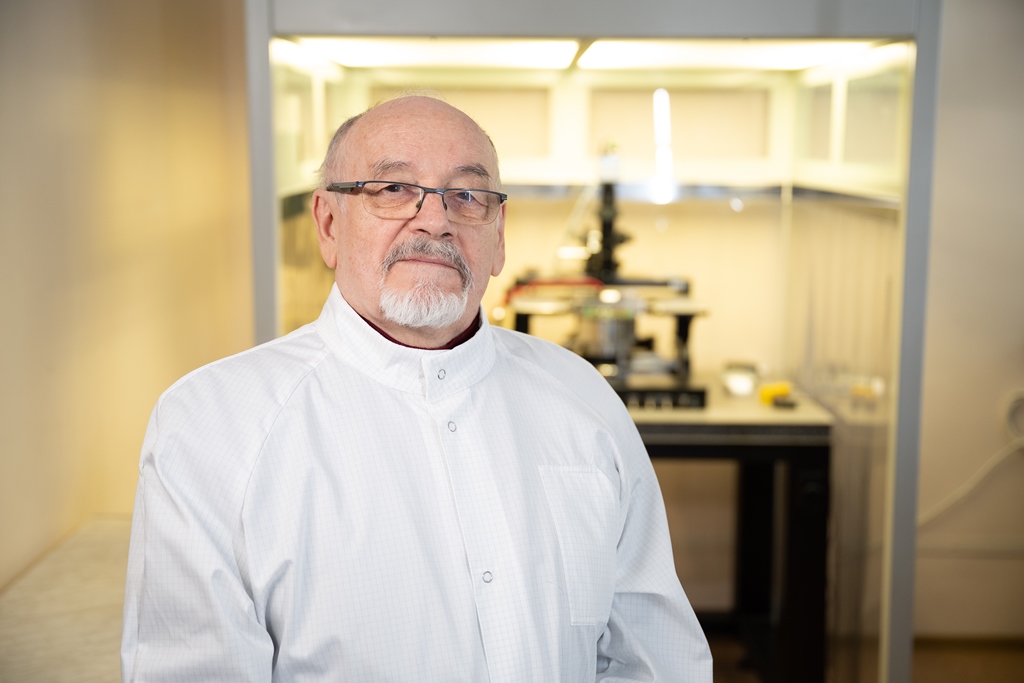
- The main task of TSU was to ensure a technological process for compensating gallium arsenide with an admixture of chromium, adapted for the use of domestic materials, - says Oleg Tolbanov, director of the TSU Center for Promising Technologies in Microelectronics. - Besides, one of the tasks was to create a complete package of software and methodological documentation and ensure the reproducibility of results.
Detectors are key components for advanced technological solutions used in industry and modern research. Under toughen restrictions, the domestic detectors have become vital for Russia. Previously, the country used equipment based on foreign-made gallium arsenide, which is now unavailable. The development of domestic technology is a significant step towards ensuring the country's technological leadership and sovereignty.
According to Andrey Zarubin, chief designer of R&D works, the developed structures passed all the tests and meet the requirements of the terms of reference. In terms of their operational characteristics, the structures have reached parameters that are not inferior to samples that were made on the basis of imported materials.
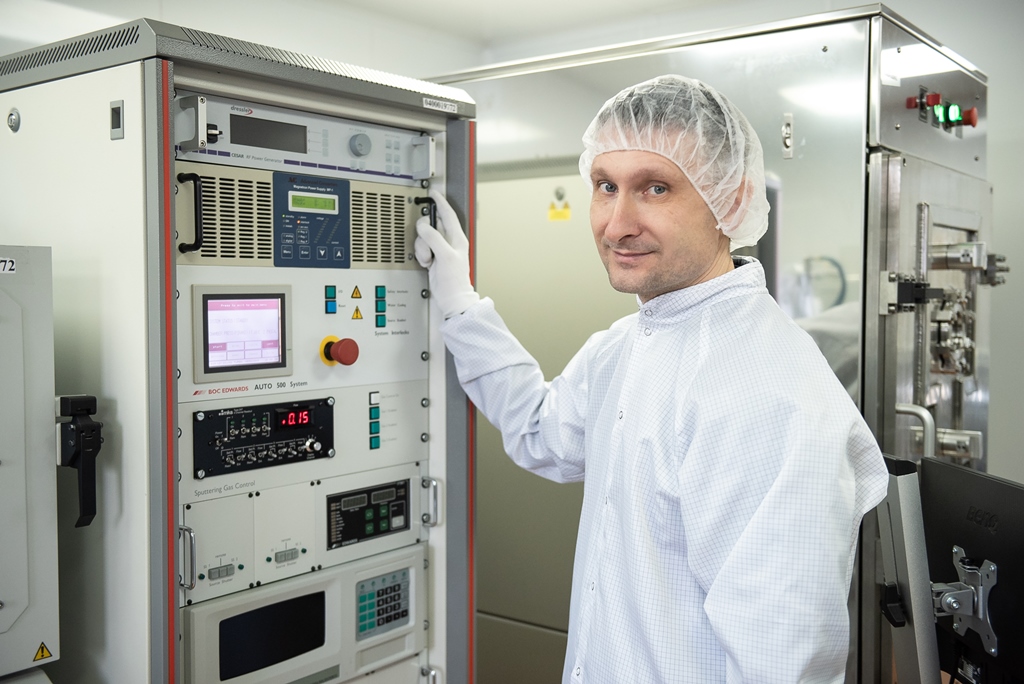
It should be noted that the composition of the material provides unique functional qualities to the detectors, including maximum resistance to radiation. That is why gallium arsenide compensated by chromium was used in the GINTOS detector developed by TSU and Institute of Nuclear Physics SB RAS for the most modern synchrotron SCIF (class 4 +).
The new technology opens up wide prospects for the implementation of HR-GaAs:Cr in various fields. In particular, the structures can be used to produce multi-element sensors and digital multispectral X-ray array detectors for industrial flaw detection, medical radiography and scientific instrument making needs. Earlier, leading research centers expressed their interest in the material, including the Kurchatov Institute-Institute of High Energy Physics (Moscow), the Institute of High-Current Electronics (Tomsk) and the Institute of Nuclear Physics (Novosibirsk).
The industrial partner FINPROMATOM LLC is already negotiating with enterprises of the BRICS and SCO countries on the supply of such structures for research and medicine.


