Wars regularly make headlines. Preventing them rarely does.
Yet for the past 20 years, the UN Peacebuilding Fund ( PBF ) has quietly been helping countries to avoid violence, recover from conflict and build more peaceful futures for their citizens.
Today, it's the UN's main vehicle for investing in peace before crises spiral out of control.
As the UN marks its first ever peacebuilding week , here's what you need to know about the innovative Fund.
Described as a "financial instrument of first resort", think of the Peacebuilding Fund as the UN's emergency peace fund.
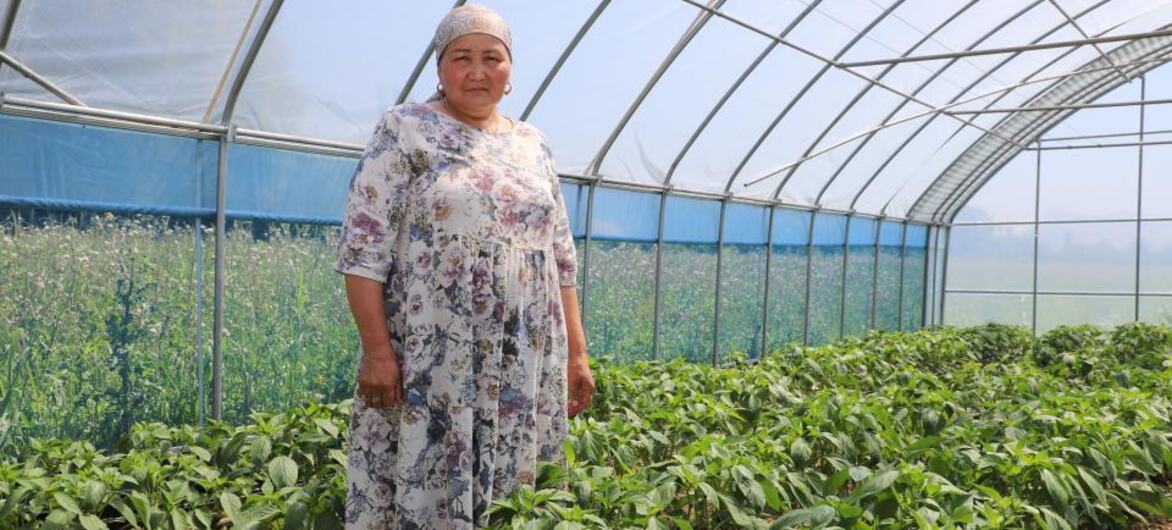
Created by UN Member States in 2005, it provides rapid financing to countries facing the risk of conflict or trying to recover from it. Unlike traditional aid programmes that can take years to get off the ground, the Fund is designed to move quickly when a window for peace opens.
Its guiding principles have remained the same for two decades: it has to be fast, flexible and it must accelerate change and be nationally owned.
Who does it support?
The Fund works through governments, local communities, civil society organizations, women's groups, youth networks and alongside more than 20 UN agencies.
Its reach is global. Over the last two decades, it has supported peacebuilding efforts in more than 75 countries and territories, from Sierra Leone and Colombia to Papua New Guinea, Kyrgyzstan and Haiti.
Ultimately, its beneficiaries are ordinary people: communities rebuilding after war, young people seeking opportunities instead of violence, women mediating disputes and families hoping for a more stable future.
Securing peace
The Fund backs projects that help societies move away from conflict and towards peace.
That can mean:
- Supporting peace agreements and political transitions
- Bringing divided communities together through dialogue and reconciliation
- Restoring essential services and local institutions
- Creating jobs and economic opportunities in communities recovering from violence
- Supporting women and young people to take leadership roles in peacebuilding
In short, it invests in the building blocks that make peace last.
Why is it important?
Peacebuilding works to avoid the escalation of local conflicts.
By helping countries address tensions early, the Fund aims to prevent violence before lives are lost and communities are displaced.
The Fund also fills a unique gap in the UN system. It can take risks, move quickly and support initiatives that other donors may be unable or unwilling to fund.
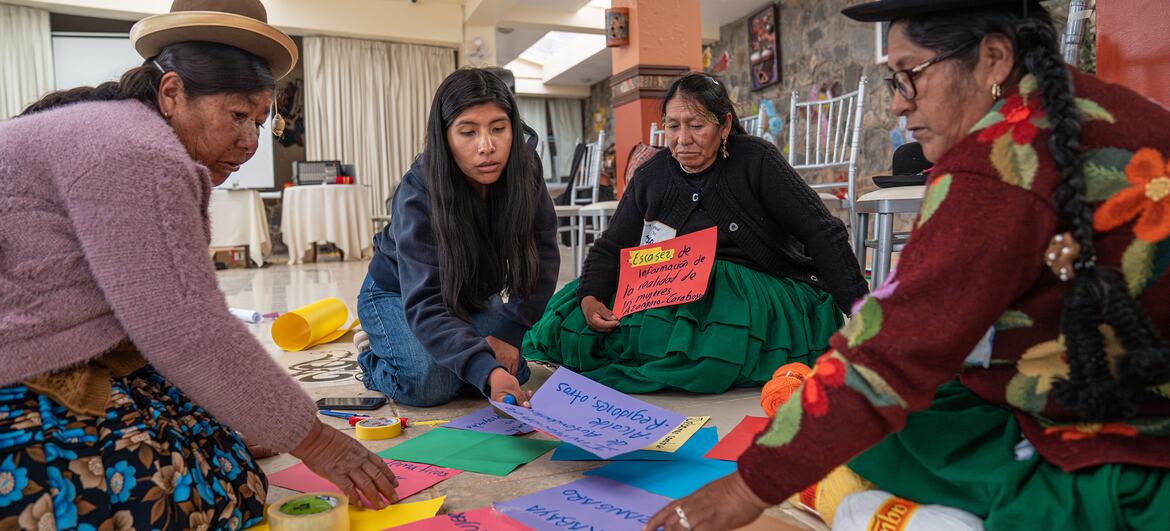
As UN Member States have recognised, peace is not just about ending wars, it is about inclusive societies.
What success has it had?
The Fund's work stretches across every region of the world.
In Sierra Leone , it contributed to peaceful elections and strengthen institutions after a devastating civil war while supporting young people.
In Papua New Guinea , it supported preparations for the historic Bougainville referendum, allowing voters to participate peacefully in a decision about their political future.
Along the Kyrgyzstan -Tajikistan border, it helped communities transform disputes over land and water into cooperation and shared development.
In Guatemala, it supported indigenous women seeking justice for wartime sexual violence, helping secure a landmark conviction recognised internationally.
And in countries including the Central African Republic and the Democratic Republic of the Congo , it has helped former combatants return to civilian life, supported women mediators and strengthened community resilience.
Investing in women
One of the Peacebuilding Fund's biggest investments isn't in governments, it's in people.
Over the years, the Fund has become one of the UN's largest financiers of women-led peacebuilding initiatives, backing mediators, negotiators, community leaders and grassroots organizations working on the front lines of conflict prevention.
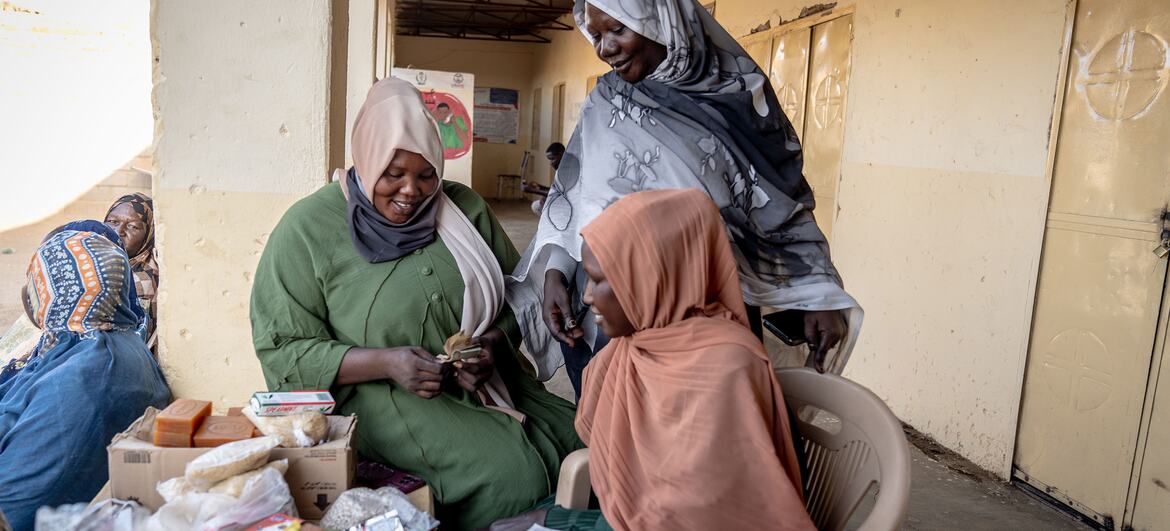
From brokering local peace agreements to supporting survivors seeking justice, thousands of women have played a direct role in building peace through Fund-backed projects worldwide.
The Fund in numbers
More than:
- 75 countries and territories supported
- $2 billion invested
- 1,150 peacebuilding projects funded
- 120 recipient organizations and funding mechanisms supported
Demand for PBF support has been increasing not just because there is more conflict, but more countries want to do more prevention and to avoid conflict.
The bottom line
For 20 years, the Peacebuilding Fund has operated on the simple premise that investing in people to build peace is cheaper, smarter and more humane than responding after a conflict erupts.
Its work may not always make headlines, but for millions of people living in fragile settings, it can make the difference between a return to violence and a chance for a more peaceful future.