Key points
- CSIRO's Stretch Reconciliation Action Plan (RAP) is driving measurable outcomes across employment, partnerships, research and cultural capability.
- Indigenous-led research grants, scholarships and pathways programs are empowering the next generation of Aboriginal and Torres Strait Islander scientists and innovators.
- CSIRO is strengthening protections for Indigenous Cultural and Intellectual Property (ICIP) and embedding respectful engagement across research.
Reconciliation through action
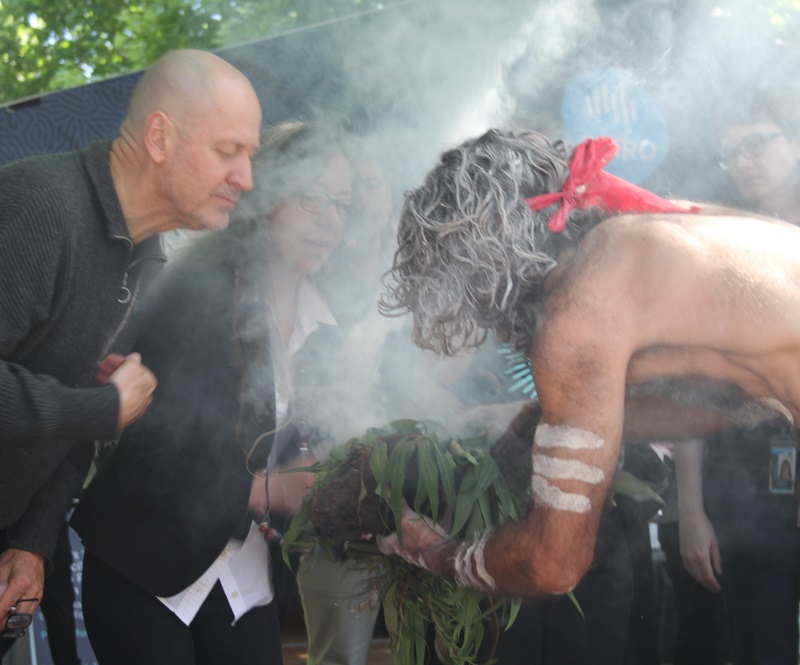
At CSIRO, reconciliation is embedded in how we work, collaborate and create impact through science.
We recognise the deep scientific knowledge systems, innovation and expertise Aboriginal and Torres Strait Islander peoples have developed over tens of thousands of years. We also recognise that meaningful reconciliation requires action, accountability and long-term partnership that is grounded in trust and respectful relationships.
That commitment is reflected in CSIRO's Stretch RAP , which embeds reconciliation into our organisation's core strategies and operations.
Our RAP outlines ambitious goals to strengthen Indigenous-led research, increase employment and procurement opportunities, build cultural capability, implement ICIP Principles and Indigenous Data Governance approaches.

Monitoring our impact
This National Reconciliation Week, we are reflecting on the progress we have made and the work still ahead.
CSIRO's RAP Report Card highlights measurable outcomes from the 24-25 FY across employment, partnerships, research and engagement, including:
- 2.5% of CSIRO's workforce identifying as Aboriginal and/or Torres Strait Islander
- 179 formal partnerships with Aboriginal and Torres Strait Islander organisations
- $22.6 million spent with Aboriginal and Torres Strait Islander businesses
- 107 Indigenous research projects undertaken during the reporting period
- 12 Indigenous STEM scholarships with 11 Australian universities.
The report card also tracks progress across 132 Stretch RAP deliverables, helping ensure transparency, accountability and continuous improvement across our reconciliation journey.

Indigenous careers and pathways
A key part of our commitment is creating meaningful opportunities for Aboriginal and Torres Strait Islander peoples in science, technology, engineering and mathematics (STEM). This is done through investing in Indigenous careers , education programs and leadership and development pathways through scholarships, graduate programs, fellowships and early career opportunities.
CSIRO has also introduced cultural leave and professional development pathways for Aboriginal and Torres Strait Islander employees, helping strengthen retention and creating a more culturally safe and supportive workplace.
Taylor Bamin, a proud Gamilaraay woman and CSIRO Indigenous Employment Manager, said creating culturally safe and meaningful career pathways is critical to building a stronger sector.
"Indigenous peoples bring unique perspectives, knowledge systems and lived experiences that strengthen science and innovation," Taylor said.
"At CSIRO, we are focused on creating pathways where Aboriginal and Torres Strait Islander peoples can see themselves represented and empowered to thrive across all areas of STEM and research."
Indigenous-led research and innovation
CSIRO advances Indigenous-led and collaborative research through dedicated grant programs and new and ongoing partnerships.
Fifty-two projects have now been through the internal Indigenous Research Grants Program, reflecting the growing scale and impact of Indigenous-led and co-designed research across CSIRO.
An independent external evaluation found the program demonstrates best practice in responding to the priorities and needs of Aboriginal and Torres Strait Islander partners and communities.
These projects span Indigenous-led partnerships across areas including environment, minerals, agriculture and food, manufacturing, health and biosecurity, energy, space and astronomy, and data, highlighting that solutions must be grounded in Indigenous knowledge, priorities and leadership.
Respecting Indigenous Cultural and Intellectual Property
Respect for Indigenous Cultural and Intellectual Property (ICIP) is central to ethical research practice when partnering with Aboriginal and Torres Strait Islander peoples. CSIRO has developed four core principles that guide our research and engagements with Aboriginal and Torres Strait Islander individuals, communities and organisations.
CSIRO continues to strengthen how we work with communities to ensure Indigenous knowledge, materials, data and cultural contributions are recognised, respected and appropriately protected.
This includes embedding ICIP Principles into research practices, improving governance processes, supporting Indigenous Data Governance approaches, and building cultural capability across our workforce.
Walking forward together
National Reconciliation Week is an opportunity to reflect on Australia's shared history, recognise the strength and resilience of Aboriginal and Torres Strait Islander peoples, and recommit to meaningful action.
At CSIRO, we know reconciliation requires ongoing listening, learning and accountability. Through Indigenous leadership, respectful partnerships and inclusive science, we are taking action to embed Indigenous knowledge in how we do science and the outcomes we deliver.
Dr Chris Bourke, a Gamilaroi man and Director of CSIRO Indigenous Science and Engagement, reflected on this year's theme.
"Being 'All in' means turning commitment into sustained action. Reconciliation is ongoing work and everyone's responsibility. It requires commitment, respect and long-term partnership to create real and lasting change."