- Science
- Citizen Science
- Volunteer Measures Record…
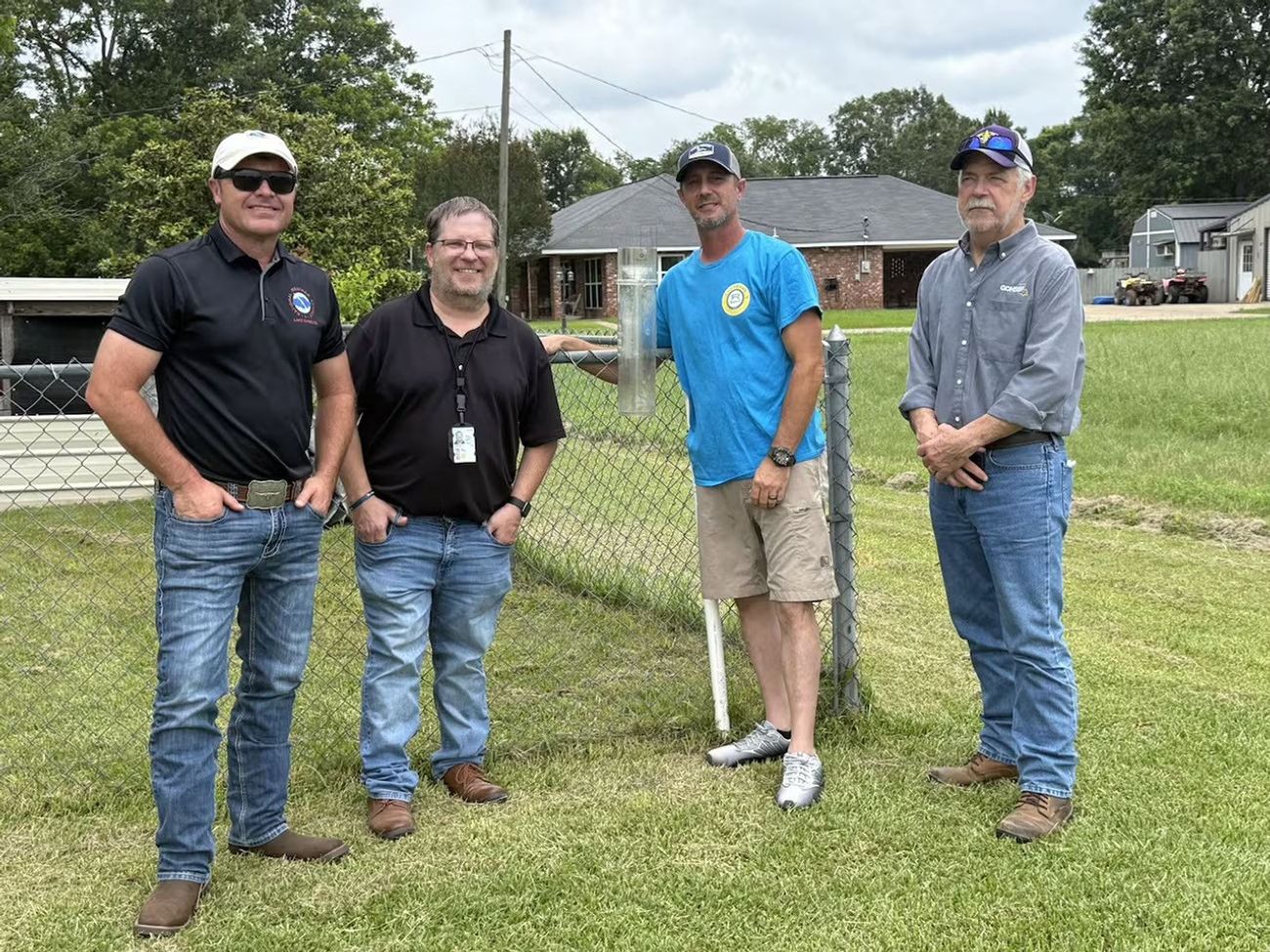
"I didn't sign up to try to measure a new record or anything", said Matt Carnicle, a volunteer for the NASA-sponsored Community Collaborative Rain, Hail, and Snow Network, or CoCoRaHS, project. Carnicle measured a whopping 29.06 inches of rainfall on June 18th, 2026, breaking an all-time 24-hour record for the state of Louisiana of 22.00 inches. "I'm just a regular guy who likes to track the weather, and I report what I get in my gauge whether it's zero, two hundredths, or whatever is in there when I read it."
CoCoRaHS (pronounced KO-ko-rozz) is a network of volunteer weather observers of all ages working together to measure and map rain, hail, and snow by measuring precipitation in their backyards. Together, these thousands of daily precipitation reports - openly available on the project website - are used by scientists and citizens for a wide variety of purposes, to include improving weather forecasting, informing water and land management, driving atmospheric models, and triggering flash flood and severe weather warnings.
Matt joined through a storm-spotter class where he learned how CoCoRaHS is part of a NASA hail research project focused on Gulf States in the Southeast United States. CoCoRaHS reports (and photos) of hail are used for researching the "melt rate" between when the satellite estimates the stone sizes in the clouds and what volunteers measure on the ground. Matt took it a step further and purchased a standardized rain gauge in order to participate with CoCoRaHS by measuring rainfall.
Matt's June 18, 2026 rain measurement shatters Louisiana's 1962 state record of 22.00 inches of rain in 24-hours (Hawaii holds the national record with 49.69 inches in 24-hours). Even more remarkably, the 29.06 inches he measured fell in less than 12 hours! According to Louisiana State Climatologist Jay Grymes, who validated Matt's measurement along with National Weather Service representatives, an event of this magnitude in this area is expected to happen less than once in a thousand years. A National Oceanic and Atmospheric Administration (NOAA) committee will convene in the coming months to verify and document the new record.
You can join Matt and other CoCoRaHS volunteers and submit official rainfall reports to the National Weather Service. They're also on the lookout for hail in the southeast, where CoCoRaHS and NASA are doing research on how hail melts as it moves from the clouds to the ground. The only requirement for participation is that volunteers use the correct manual gauge, which is precise to the nearest 1/100th of an inch and is approved by the National Weather Service (measurements from automated rain gauges are not accepted). Sign up here, and you might measure the next record precipitation event: https://science.nasa.gov/citizen-science/community-collaborative-rain-hail-and-snow-network/