
Researchers at Karolinska Institutet are joining an ambitious international collaboration aimed at transforming the early identification and prevention of Obsessive-Compulsive Disorder (OCD) in children. The project, funded with £2.2 million from the Wellcome Discovery scheme.
The project is led by Professor Philip Shaw at the King's Maudsley Partnership for Children & Young People and brings together experts from the UK, Sweden, and Brazil to develop an artificial intelligence-based tool capable of predicting which children are most likely to go on to develop OCD.
OCD symptoms are common in childhood, with intrusive thoughts and repetitive behaviours affecting up to one in five young people. While many children naturally outgrow these early symptoms, a minority continue on a trajectory that leads to full OCD, a condition that can be challenging to treat once it becomes entrenched. Early identification is therefore critical, yet clinicians currently lack reliable ways to determine which children will progress to more severe forms of the disorder. As Professor Shaw notes, 'Talking to young people living with OCD and their parents, it's clear that intervening early, before symptoms spiral out of control, could prevent a lot of distress and anguish. This project aims to do just that for children not just in the UK, but in Brazil, Sweden and beyond.'
AI model identifies children at risk
The consortium will combine several types of information, routinely collected medical data, genetic profiles, and neuroimaging measures, to train AI models capable of predicting the onset and timing of OCD. Integrating these complex data sources has not previously been feasible at scale, but advances in machine learning now make it possible to detect patterns that can guide earlier, more personalised interventions. Once developed, the predictive tool will be evaluated across diverse populations, including Swedish cohorts, ensuring that the model performs robustly across different healthcare and cultural contexts.
Preventive early intervention for families
Alongside constructing the predictive model, the research team will develop a framework to guide an early parental intervention tailored to families of children identified as at risk. This work will be grounded in extensive input from individuals with lived experience of OCD, more than 150 people have already contributed during earlier phases of the research. The intervention will undergo pilot testing in both the UK and Brazil, with the long-term aim of building a scalable public-health strategy for early OCD prevention.
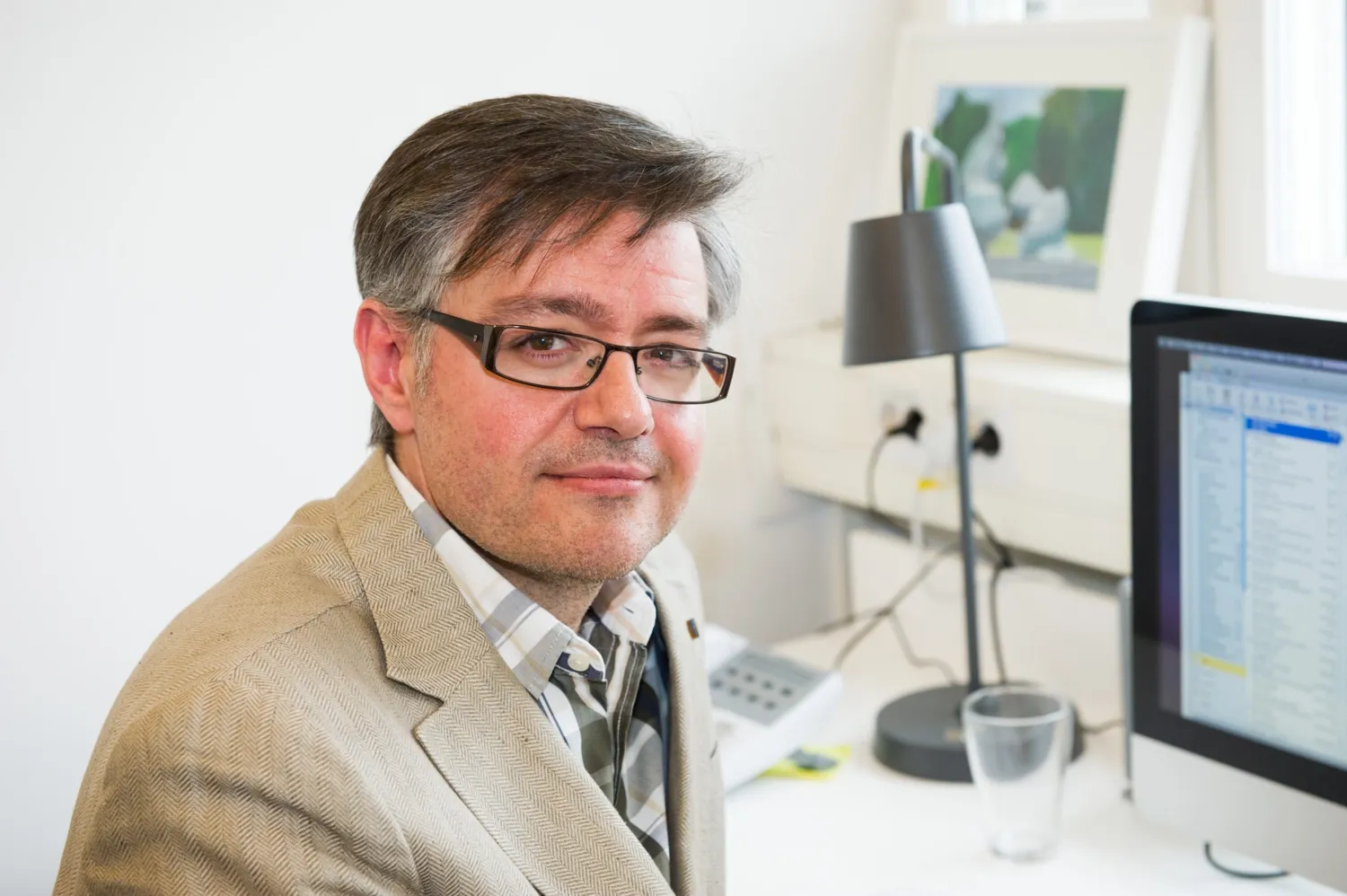
Professor Mataix-Cols , the principal investigator in Sweden, said: 'Families affected by OCD often ask whether it is possible to prevent the condition in the next generation. With the support of the Wellcome Trust, we will enhance and culturally adapt our prototype intervention for children at increased risk, and evaluate it in the UK and Brazil. Our ambition is to intervene before symptoms become disabling by equipping parents with practical, evidence-based tools that can reduce risk.'
The partnership includes researchers from King's Maudsley Partnership, Karolinska Institutet, the University of São Paulo, University College London, and the mental health charity Orchard OCD. The collaboration represents a major step toward a future in which OCD can be anticipated and prevented, before it disrupts the lives of children and families worldwide.


