A minority of Swedes are within the normal weight range, while one in five is obese. New, effective drugs have drastically changed the possibilities for treatment. This may lead to a better understanding of the disease, perhaps even among patients themselves.

Text: Annika Lund, published in Medicinsk Vetenskap nr 1 2026
Being overweight is the new normal. In 2020, the scales tipped for Swedes. Since then, over half the population has been overweight. Just under a fifth of the adult population, just over 18 per cent, were obese in 2024, i.e. had a BMI of over 30. In 1980, the equivalent figure was five per cent, according to the Public Health Agency of Sweden.
The same source lists a range of reasons behind the rising average BMI among Swedes: larger portion sizes, the spread of ready-made and semi-prepared foods, the booming of café culture and reduced VAT on restaurant meals. A decline in everyday cycling, an increase in car use and the introduction of social media are also listed.
Ylva Trolle Lagerros , professor of cardiovascular prevention at the Department of Medicine, Huddinge, at Karolinska Institutet, can add more to the picture. Swedes' consumption of vegetables, root vegetables, fruit, berries, fish and shellfish has been pointing downwards for many years. The curve for sweetened drinks is going in the opposite direction. At the same time, Swedes have steadily become less fit, according to figures based on conscripted young people.
In the In Your Face study, Swedish young people were asked to photograph food advertisements they encountered in their everyday lives over a two-week period. The images revealed massive exposure to pizza, hamburgers, ice cream, sweets, soft drinks and energy drinks. Special offers, such as buy three pay for two, were clearly linked to such energy-dense foods.
"This is a structural issue that needs to be addressed at the societal level. Everything matters, from food supply to urban planning, so that people can walk and cycle in their neighbourhoods," says Ylva Trolle Lagerros.
She has been working with obesity patients since she graduated as a doctor in the 1990s. Over the past thirty years, new knowledge has emerged and attitudes have changed.
"We are moving towards a greater understanding that this is a matter of hormonal signalling. Obesity is a battle against powerful forces, overcoming the brain's hunger signals is extremely difficult," says Ylva Trolle Lagerros.
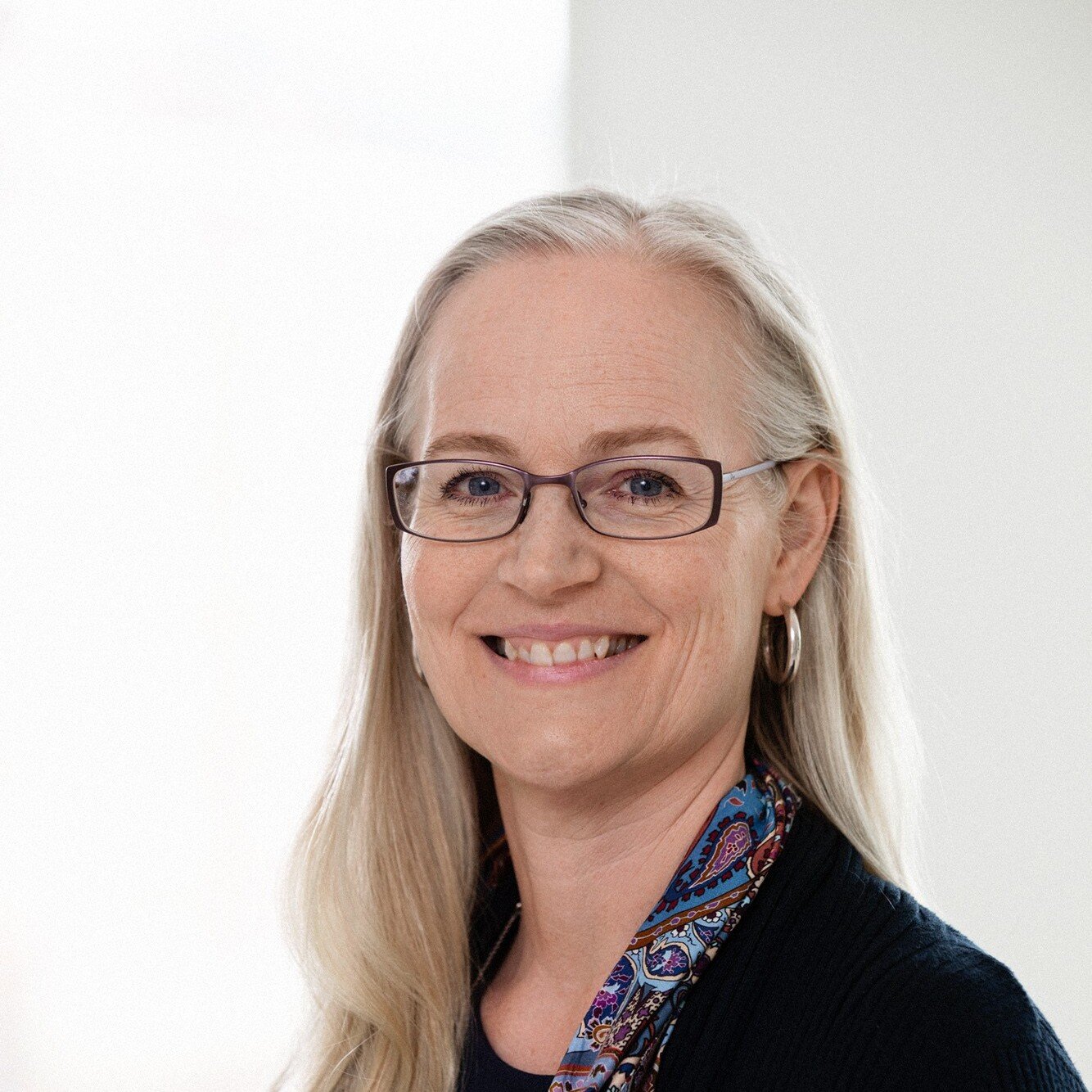
But prejudice and stigmatising perceptions are still widespread. This interests Anne Christenson, a researcher at the Department of Medicine, Huddinge, at Karolinska Institutet. She describes an interdisciplinary field of research that is larger than one might think. It even has its own international congress, the Weight Stigma Conference, which brings together experts in the field every year. All in all, there is good evidence that prejudice against obesity exists virtually everywhere in society, in the media and among the general public, among parents and teachers.
Common with prejudices
Ignorance is found within healthcare too. As a physiotherapist at the Centre for Obesity in Stockholm, Anne Christenson hears about this directly from her patients.
"Some of it is just awful, like when patients are denied care because of their obesity. It could be someone seeking treatment for pain in their knee, but the problem is not even investigated. Instead, the doctor says that the pain will go away on its own if the person loses weight. One doctor advised his patient to drink only water for four weeks to lose weight, while another patient was offered unsolicited dietary advice while lying in a gynaecological chair, says Anne Christenson.
There is a lack of research describing how often the Swedish healthcare system treats patients in this way. The patient organisation for obesity is trying to quantify the problem through annual online surveys of its members. In their Treatment Experience Report 2025, with nearly 1,300 respondents, the same pattern emerges as in previous years: most encounter prejudice, blame and lack of knowledge from healthcare staff. Many are told that they weigh too much even though they have sought care for something else, yet these comments rarely lead to any offer of obesity treatment.
"When I train healthcare staff, I usually draw parallels with what we do when we measure high blood pressure. We would never say, 'It can be dangerous, you could have a stroke or heart attack, go home and lower your blood pressure'. But when it comes to obesity, this is a common response. Patients are expected to treat it themselves," says Anne Christenson.
In the media, articles about obesity are often illustrated with greasy hamburgers or pizzas. Weight loss is sometimes portrayed as something easy, where a quick dietary change or brisk daily walks can yield great results. This reinforces the idea that obesity stems from a lack of knowledge about how to eat or general laziness. This stereotype is so deeply ingrained that even some patients blame themselves, says Anne Christenson.
"We have patients who break down in tears and tell us that for decades they have lived with the feeling that they should have been able to do better. Only when they experience what it is like to feel full after a normal portion, with the help of medication or surgery, do they understand the difference. They are deeply moved when they realise that they have had the same prejudices as everyone else," she says.
Several underlying reasons
Obesity is always caused by energy intake exceeding energy expenditure. It sounds simple, but the disease is very complex, and heterogeneous. Among the 1.4 million adults affected, there are many underlying reasons why energy balance becomes disrupted.
Genetics play a major role. Heredity accounts for between 40 and 70 per cent of the risk of developing the disease. Patients often report feeling very hungry, their minds filled with a constant urge to eat and preoccupied with eating and feeling full. Eating behaviour can manifest itself at a young age.
"There are studies on infants showing clear differences in how actively they seek food, how much they ingest during breastfeeding, and how quickly they become hungry again. And children who grow up in the same family can have entirely different eating patterns. One is satisfied with a normal-sized portion, the other wants a refill several times and eats as much as an adult," says Anne Christenson.
The disease is more common in certain groups. Creating a life with regular, healthy meals requires resources of various kinds. People with ADHD or autism may struggle with the planning required. In other cases, the wallet is too thin, or energy levels too low. When life is demanding, with low income and awkward working hours, the only possible solution may be to fill the freezer with frozen pizza. Obesity is more common among people in socio-economically disadvantaged groups. It is also in this group that the disease is increasing the most.
Certain psychiatric drugs can cause a sharp increase in appetite. In addition, stress and sleep deprivation are independent risk factors for obesity. When stressed, the body produces more cortisol, which can increase feelings of hunger. Furthermore, alcohol has a high energy content and can affect energy metabolism and how we eat.
What is obesity?
A BMI over 30 is considered obesity, which is a disease. A BMI over 25 is considered overweight. BMI is measured in kg/m² and is a blunt measure, as it does not take into account where the fat mass is located. Waist measurement is a good complementary measure.
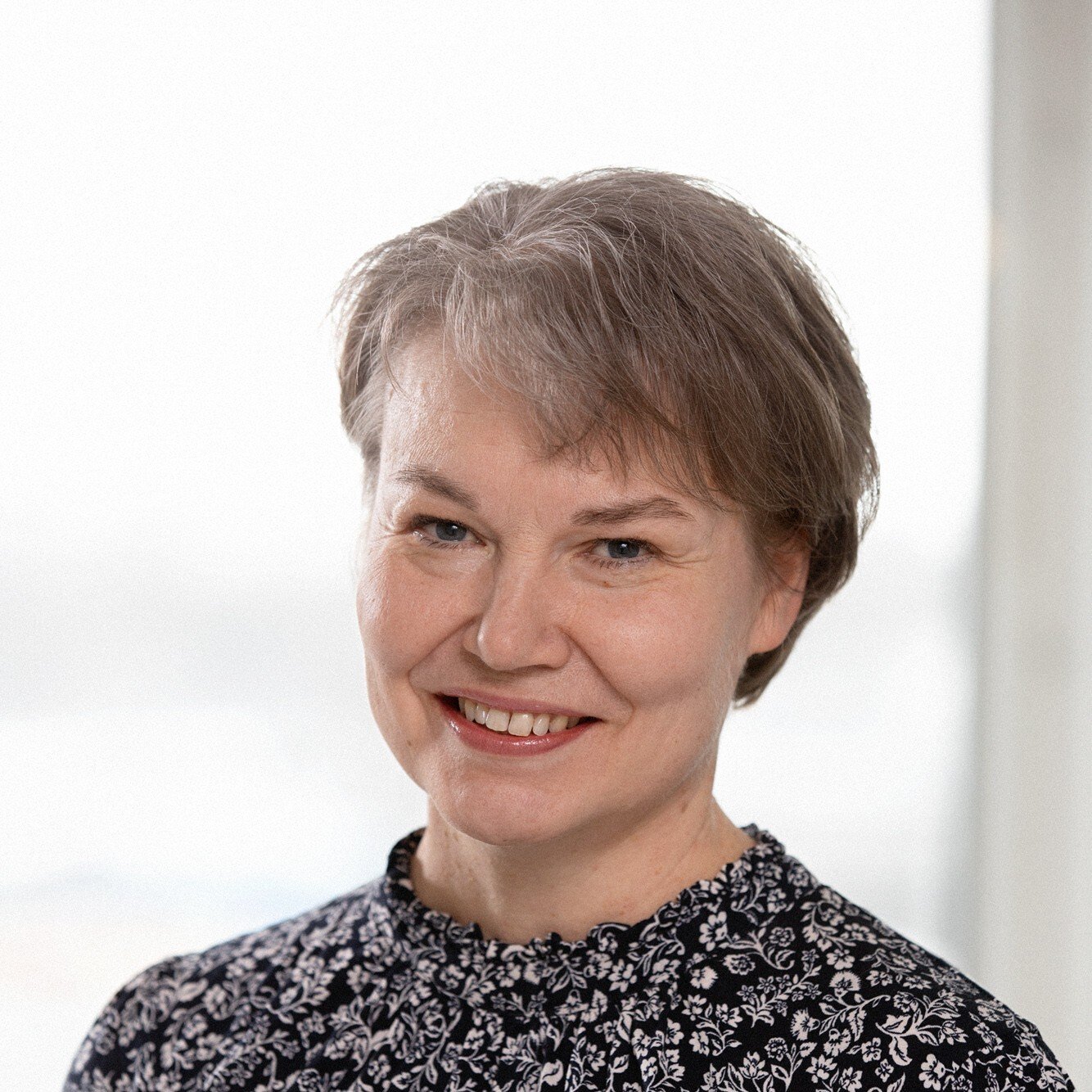
Liisa Tolvanen , a specialist dietitian at the Centre for Obesity in Stockholm offers patients what is known as combined lifestyle treatment, individually tailored advice on eating habits and physical activity.
"When I sit down with a patient, I try to find out what challenges that particular person is facing. I ask questions about how meals are distributed throughout the day, what food choices are made, what portion sizes look like and what contributes to those choices. It may also be relevant to ask about more subtle things, such as their relationship with food," says Liisa Tolvanen, who also conducts research at the Department of Medicine, Huddinge, at Karolinska Institutet.
Some people have an emotional approach to eating. Food may offer comfort or reward, or it may be associated with anxiety, guilt and shame.
However, the most common cause of overeating is intense hunger.
"We want to support people in developing a healthy relationship with food. You should be able to trust yourself, know that you are eating the right amount in the morning, at lunch and in the evening, and feel confident in your food choices. Sometimes you may eat a little more and sometimes a little less, but overall, it will be fine," says Liisa Tolvanen.
Combined treatment the basis
Combined lifestyle treatment is the basis of obesity treatment. All regions should offer this, according to the National Board of Health and Welfare. It consists of three elements: dietary habits, physical activity and psychosocial support to help maintain new routines. Dietary guidance focuses on reducing calorie intake while increasing nutrient density; physical activity is centred on health rather than weight loss and also includes reducing sedentary behaviour. Psychosocial support may cover stress management, impulse control, sleep training or self-esteem and can be given in the form of cognitive behavioral therapy or other forms of treatment.
However, the impact on weight is often limited. Average weight loss ranges from 0 to 5 per cent. This can be compared with the effect of surgery: on average, patients who have undergone surgery have lost 30 per cent of their body weight after one year. The most effective medication results in an average weight loss of 20 per cent.

It is very difficult to maintain the new weight without the support of surgery or medication. Daniel Andersson , a researcher at the Department of Medicine, Huddinge, at Karolinska Institutet, explains that this has to do with the body's "weight memory". The weight loss itself increases the feeling of hunger.
"When you gain weight, fat cells increase in both number and size. When you lose weight, all the fat cells remain, but their size has shrunk. Fat cells fight very hard to return to their largest size. Hormones from both adipose tissue and the intestine are involved in the signalling that creates strong hunger," says Daniel Andersson.
The new appetite-regulating drugs, GLP-1 analogues, mimic the intestinal hormones that are released at the end of a meal to create a feeling of satiety. Obesity surgery creates the same effects.
"When you change the hormone profile, you no longer have the same craving for food. This happens within the first 24 hours after gastric bypass surgery, before any weight loss has occurred. Put simply, the surgery causes the patient's brain to react to food in the same way as a person of normal weight," says Daniel Andersson.
Those who lose weight with the help of medication or surgery experience a much weaker appetite because of their weight loss. However, this is not the case for those who struggle with dietary changes.
Regardless of how much fat tissue a person has, they may have a tendency towards either small or large fat cells. Large fat cells are linked to type 2 diabetes and high blood lipids. This partly explains why the risk of secondary diseases varies among people who are obese. Large fat cells are less efficient at storing triglycerides, the fat molecules that are metabolised when the body needs extra energy. Fat tissue with large fat cells continuously releases triglycerides, even when other parts of the body do not need the extra energy. This leads to too much fat in the blood and higher fat storage in other parts of the body, such as the liver or muscles.
"Having large fat cells is associated with metabolic complications, such as insulin resistance, which is a key risk factor for many diseases, including cancer. Large fat cells are also linked to low-grade inflammation in the adipose tissue. Chronic, low-grade inflammation in the body is a risk factor for many things, such as the development of cancer," says Daniel Andersson.
Risk of secondary diseases reduced
Losing weight reduces the risk of secondary diseases. After obesity surgery, four out of ten people with high blood pressure no longer need to take medication, and six out of ten with type 2 diabetes recover. The risk of stroke and heart attack drops sharply, as does the risk of developing heart failure. There are more positive health effects.
The drugs have similar effects. To date, studies show health benefits for type 2 diabetes and cardiovascular diseases such as stroke and heart attack. Put simply, the greater the weight loss achieved with medication, the greater the improvement in other health parameters.
Several new drugs are expected to be approved in the coming years. In the United States, tablet versions of drugs that currently must be administered via injection and stored in a refrigerator are already available. Medications with (hopefully) fewer side effects than the existing ones are also awaiting approval. Side effects of the existing medications include headaches, diarrhoea, constipation and nausea, as well as loss of muscle mass. Some of the upcoming medications are targeted at various secondary diseases, such as fatty liver.
" I think we'll move more towards treating obesity to improve overall health, rather than aiming for a particular percentage of weight loss. We will be guided by whether the patient has heart disease, fatty liver, PCOS or something else, and choose the treatment that is best suited for that individual," says Ylva Trolle Lagerros.
High demand for medicines
There are currently six approved obesity drugs on the Swedish market. However, the drastically improved treatment options have mainly come with Mounjaro (tirzepatide) and Wegovy (semaglutide).
Mounjaro became available in Swedish pharmacies in October 2024. By November 2025, after just over a year on the market, Mounjaro had become the best-selling drug, according to the Swedish eHealth Agency, which measures sales in monetary terms. During that month, Swedes purchased more than SEK 157 million worth of Mounjaro, excluding VAT.
In third and seventh place were various drugs containing semaglutide (Ozempic and Wegovy), targeting type 2 diabetes and obesity, respectively. Wegovy became fully available in Sweden in March 2025, after initial production problems.
The National Board of Health and Welfare tracks the number of individuals taking the medicines. During the full year 2025, nearly 170,000 Swedes collected one of the six obesity drugs. Of these, nearly 95,000 used Mounjaro and approximately 63,500 used Wegovy. Only just over 8,000 collected Xenical, despite it being included in the drug benefit scheme.
The demand for appetite suppressants is enormous, not only in Sweden. In the United States, they are taken by millions of patients. There, the trend has reversed, and the proportion of people with obesity has now begun to decline.
According to the World Health Organisation (WHO), one billion people are obese, which in 2024 could be linked to 3.7 million deaths. GLP-1 analogues are described as key to slowing down this development. The WHO is calling for global cooperation with strict control and supervision of prescriptions. This is necessary to ensure that the drugs are available to as many people as possible who need them.
Ylva Trolle Lagerros describes a situation where important knowledge about the new drugs is lacking.
"We do not know which patients are receiving them, how long they are taking them, why some stop, or who is prescribing them. We need a quality register that covers drug use," she says.
More than 25 private online clinics are strongly focused on obesity. They prescribe drugs on a continuous basis. The treatments are expensive and obesity is a chronic condition. The appetite-suppressing effect ceases if you stop taking the medication. But it is not certain that the treatment needs to be lifelong.
"Every person who takes medication must be given the opportunity to end treatment in a well-planned manner. By that I mean that lifestyle support must not be neglected," says Ylva Trolle Lagerros.
Lifestyle changes are important
The combined lifestyle treatment may be less effective for weight loss, but it is very important for ensuring a more stable weight, as close to a new, lower weight as possible.
"When you stop taking the medication, the support you have received is crucial. When the medication is discontinued, your life should already include regular meals with a good breakfast, lunch and dinner, any snacks and sustainable habits for physical activity. You should feel confident in these routines," says Ylva Trolle Lagerros.
Neither the use nor the discontinuation of the medication needs to be lifelong, she says - some people will need recurring periods of medication:
"When life changes, good habits can be disrupted. This could be due to starting university, getting divorced or becoming ill, for example, in which case medication may be needed as support while you get back into good habits again," says Ylva Trolle Lagerros.
Three treatments for obesity
The basis of the treatment is combined lifestyle therapy, where psychosocial support, for example in the form of cognitive behavioral therapy, is provided to create and maintain healthy habits around food, physical activity and reduced sedentary behaviour. The goal is improved health. Can be given as a single treatment or in combination with medication and surgery.
Sources: Anne Christenson and Liisa Tolvanen.
Surgery is most effective
The drugs that currently have the greatest effect on weight loss are Mounjaro (tirzepatide) and Wegovy (semaglutide). Treatment with the highest dose of Mounjaro for 72 weeks results in an average weight loss of 21.6 per cent. For Wegovy, the corresponding figure is 15.4 per cent.
One year after surgery, the average weight loss for a gastric sleeve is close to 28 per cent and for a gastric bypass around 32 per cent.
Neither medication nor surgery works for everyone. The effect depends on how well hormone signalling is stimulated, for example, which is biologically individual.
Sources: Aronne et al, NEJM 2025, the Swedish Medical Products Agency and SOReg (the quality register for obesity surgery).