
Abstract
A research team, affiliated with UNIST has introduced a technology that generates electricity from raindrops striking rooftops, offering a self-powered approach to automated drainage control and flood warning during heavy rainfall.
Led by Professor Young-Bin Park of the Department of Mechanical Engineering at UNIST, the team developed a droplet-based electricity generator (DEG) using carbon fiber-reinforced polymer (CFRP). This device, called the Superhydrophobic fiber-reinforced polymer (S-FRP-DEG), converts the impact of falling rain into electrical signals, capable of operating stormwater management systems without an external power source
CFRP composites are lightweight, yet durable used in a variety of applications, such as aerospace and construction for its strength and resistance to corrosion. Such characteristics make it well suited for long-term outdoor installation on rooftops and other exposed urban structures.
The generator produces electricity through a process similar to static charge generation. When a positively charged raindrop contacts the device's negatively charged superhydrophobic surface, electric charge is transferred as the droplet rapidly detaches and rolls away. This motion drives an electric current through embedded carbon fibers, generating power almost instantly.
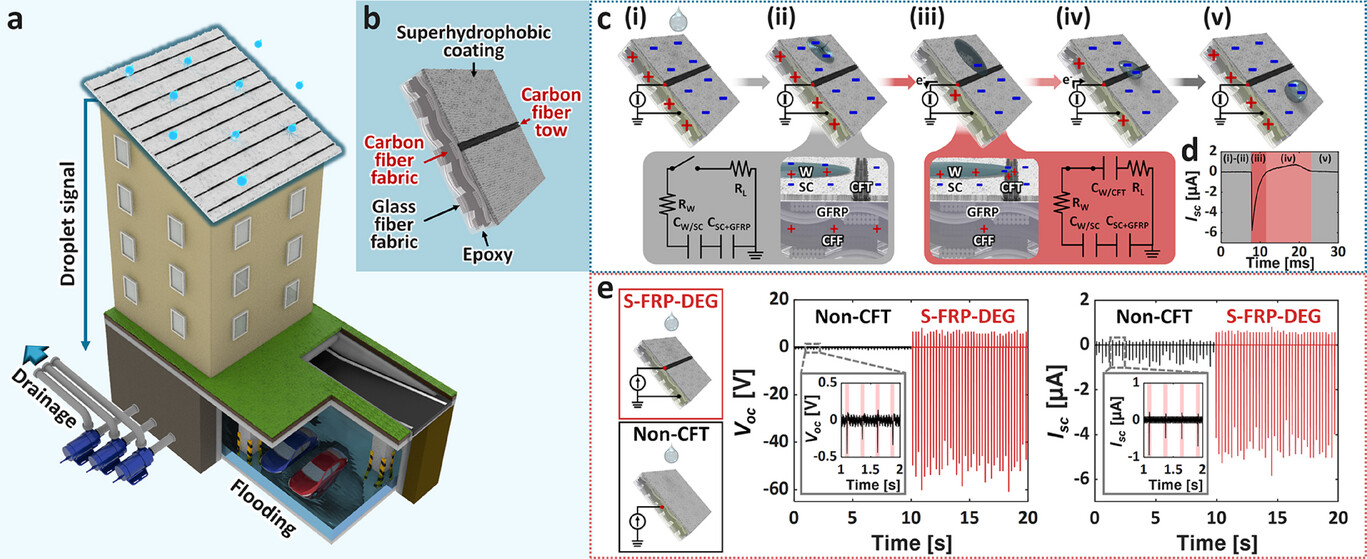 Figure 1. Structure and Working Mechanism of S-FRP-DEG.
Unlike conventional metal-based droplet generators, which are prone to corrosion from moisture and urban pollutants, the CFRP-based design maintains stable performance under harsh environmental conditions. The research team further improved efficiency by introducing a textured surface and lotus-leaf-inspired coating that enhances water repellency while preventing the buildup of dirt and soot.
Traditional droplet generators made from metals often suffer from corrosion caused by pollution and moisture. This new CFRP-based device overcomes that problem with excellent durability and stability over time.
In laboratory tests, a single raindrop with a volume of approximately 92 microliters generated up to 60 volts and a few microamps of current. When four units were connected in series, the system briefly powered 144 LED lights, demonstrating its scalability.
The team also validated the technology in real-world settings by installing the device on building rooftops and drainage pipes. As rainfall intensity increased, the electrical signals became stronger and more frequent, allowing the system to distinguish between light, moderate, and heavy rain and automatically activate drainage pumps when necessary.
"This technology enables urban infrastructure to monitor rainfall and respond to flood risks using only the energy of rain itself," said Professor Park. "Looking ahead, it could be further integrated into mobility systems, including vehicles or aircrafts, where carbon fiber composites are already widely used."
The study was led by Dr. Seong-Hwan Lee and Dr. Jae-Jin Kim, as first authors. Funded by the Ministry of Science and ICT (MSIT) and the National Research Foundation (NRF) of Korea, the research was published in the online version of Advanced Functional Materials on November 20, 2025.
Journal Reference
Seonghwan Lee, Jaejin Kim, and Young-Bin Park, "Structural Droplet-Based Electricity Generator Using Superhydrophobic Fiber-Reinforced Polymer for Smart Stormwater Management," Adv. Funct. Mater., (2025).


