
Workers marked a major milestone on one of Sandia National Laboratories' largest construction projects of the past decade with an April 14 ceremony celebrating the installation of the final beam on the Power Sources Capability building.
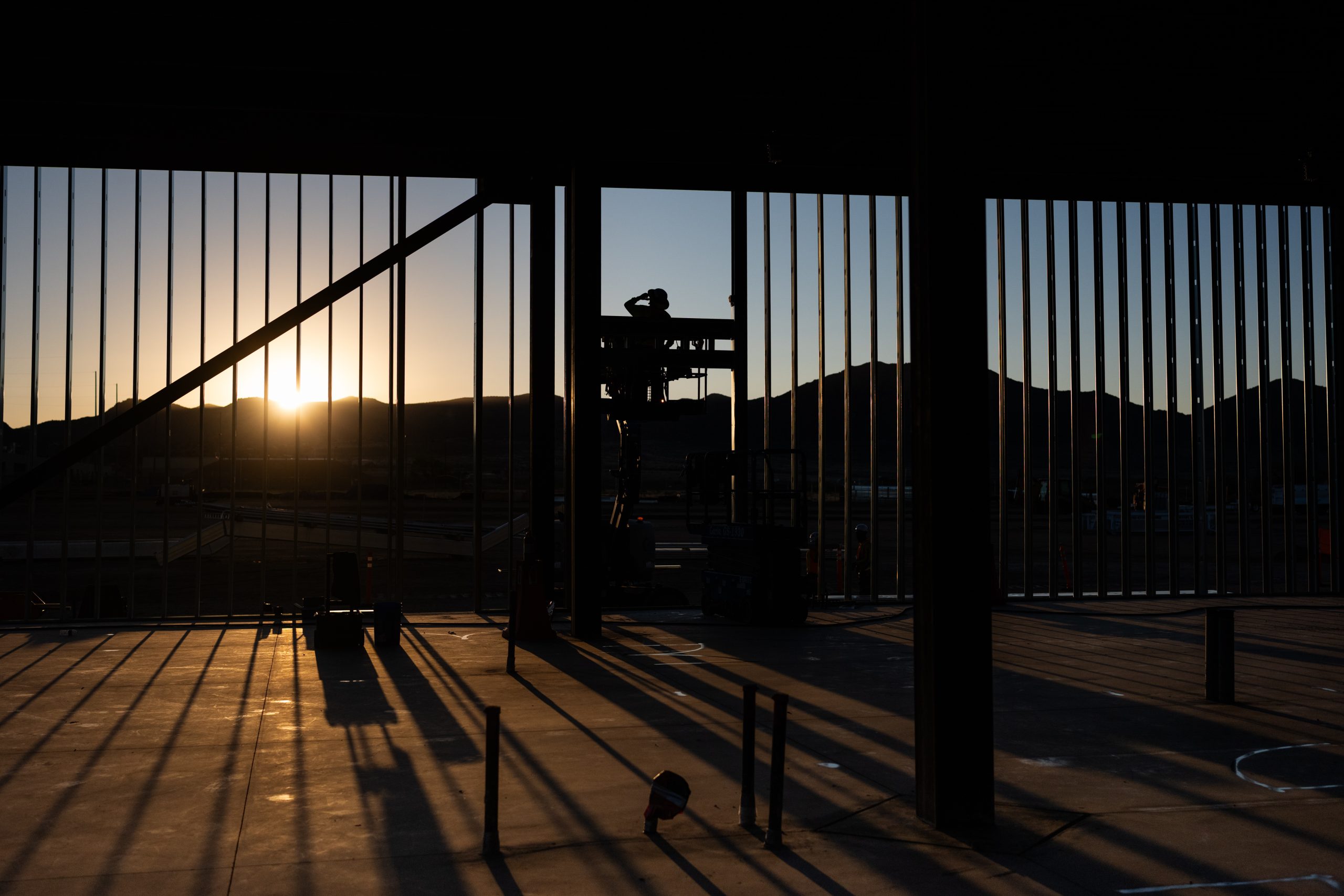
"We want to celebrate all the work that's been done to date and reaffirm our commitment to delivering on the remaining work," said Perry D'Antonio, a senior manager overseeing the project's technical requirements.
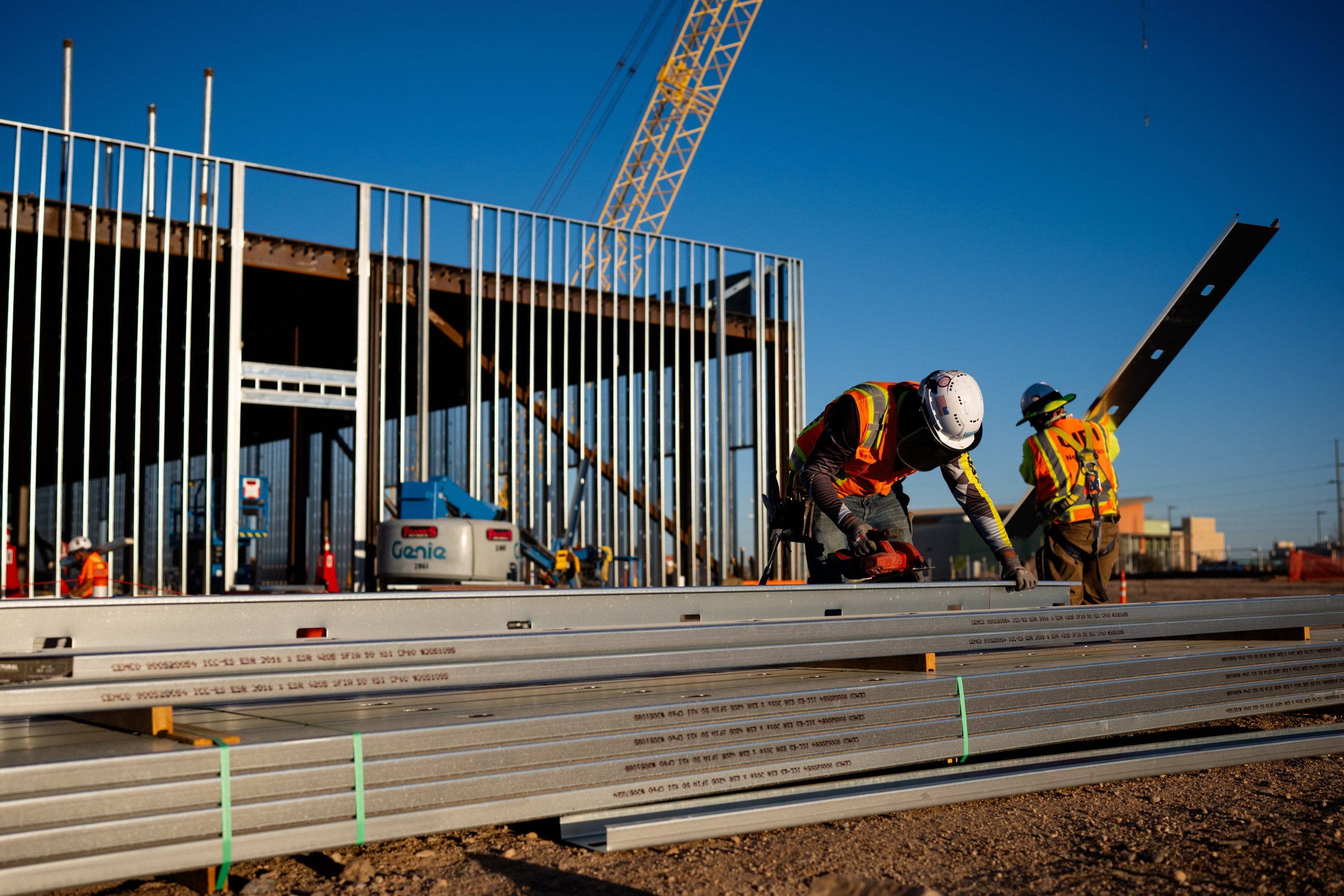
Construction on the new facility began in August 2025, and the beam ceremony signified completion of the building's steel structure.
"Construction is advancing ahead of schedule," said Savannah Torres, the project manager overseeing execution. "We've met or exceeded all major milestones to date and intend to keep up the pace."
Construction on the 136,000-square-foot facility in Technical Area II is on track for completion in 2028. Equipment and employees will transition into the Power Sources Capability building afterward. The project's final cost is projected at $400 million. The new building will be south of the Battery Test Facility.
Mission critical
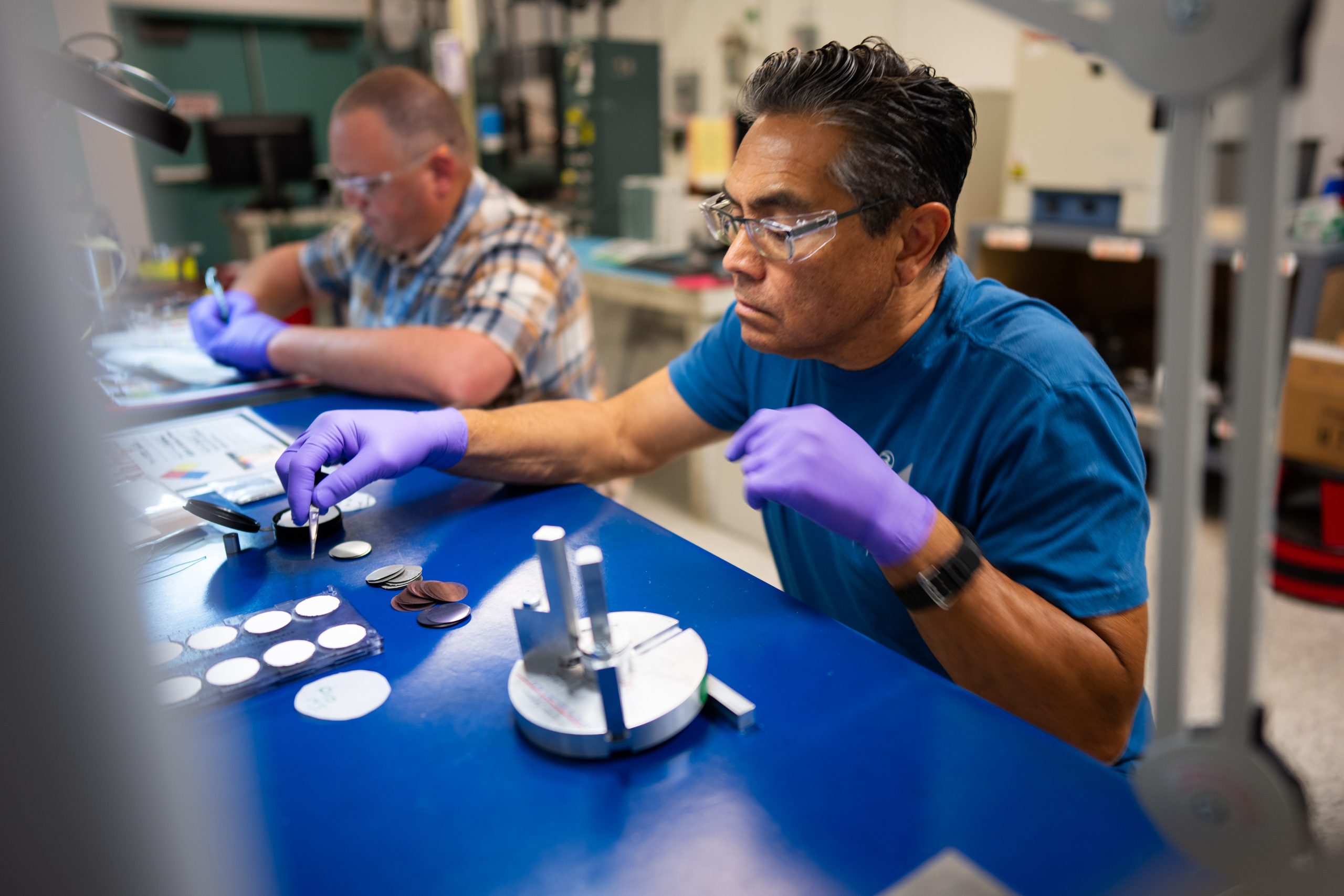
Power sources are critical to the nuclear deterrence mission.
"Every system needs a power source," said Sara Pecak, a senior manager. "Our program spans four technology areas, including thermal batteries."
For example, once a weapon system separates from an aircraft, power sources provide main mission power through detonation. Sandia's responsibilities for power sources include research and development, design, production and surveillance.
"Making power sources requires some unique capabilities, such as dehumidified rooms, also called dry rooms," Pecak said. "The stringent requirements and limited supplier base require the nation to maintain this capability internally."
Aging infrastructure
The new building will replace an aging facility that does not have the infrastructure or capacity for all the work to happen under one roof. Instead, four separate buildings are currently needed to complete all the power sources work.
"One of the things we asked for in the new building is the ability for people to walk past one another," Pecak said. "That's part of the design concept. We want to create an environment where people can have conversations even if they're not working on the same projects."
Conceptual design work began in 2019.
"We did a lot of value engineering from the original conceptual design," D'Antonio said. Value engineering identifies alternative approaches that preserve mission function while reducing cost, improving constructability and strengthening overall project value throughout design and construction.
Future-focused
"We've created what we think is one of the most efficient design concepts to meet the mission both today and for the next 50 years," D'Antonio said. "We want to build in agility for changing missions over the building's lifespan."
There has been strong collaboration between Sandia and key partners, including the National Nuclear Security Administration, general contractor Hensel Phelps and architecture and engineering firm SmithGroup.
"The expertise of the architecture and engineering firm and the general contractor, combined with support from the cross-functional Sandia and NNSA team, has been instrumental in positioning the project for successful execution," Torres said. "This project not only delivers the facility needed to advance the power sources mission but also establishes a strong framework for future projects within Sandia's multibillion-dollar line-item portfolio."


