Research on rare diagnoses and the development of precision medicine depend on patients being able to share their health data in a secure and ethical manner.The research study, published in Scientific Reports, in which a digital platform was developed to collect electronic informed consent shows that many participants want to contribute to research and appreciate the digital solution, but also that the technology needs further development.
A digital consent platform was tested at three centres in Sweden, Stockholm, Gothenburg, and Lund. More than 2200 individuals who had previously undergone whole-genome sequencing were invited to give consent electronically for research and data sharing. For those who lacked an electronic identity verification system, or who preferred traditional methods, paper-based consent was also available. As a comparison, a national patient cohort within Undiagnosed Diseases Network Sweden (UDN Sweden) was studied, where recruitment took place in close collaboration with patient organisations.
The results show that eConsent works well for some. Among adult patients, around 30 percent chose to give consent through the eConsent platform, while participation was much lower among families with children. In contrast, participation in the UDN Sweden cohort was very high, 94 percent.

"The UDN cohort showed that when patients feel informed, motivated and involved, their willingness to contribute to research is very high," says Katja Ekholm , one of the first authors of the study and PhD student in rare diseases at the Department of Molecular Medicine and Surgery, Karolinska Institutet.
The study identified several challenges, including technical login problems, language barriers, and more complex consent processes for families. At the same time, many participants expressed a strong willingness to contribute to research and appreciated the digital solution.
Hans Ehrencrona, last author and project manager for the study, as well as co-chair of GMS Rare Diagnoses, comments on the ongoing work:
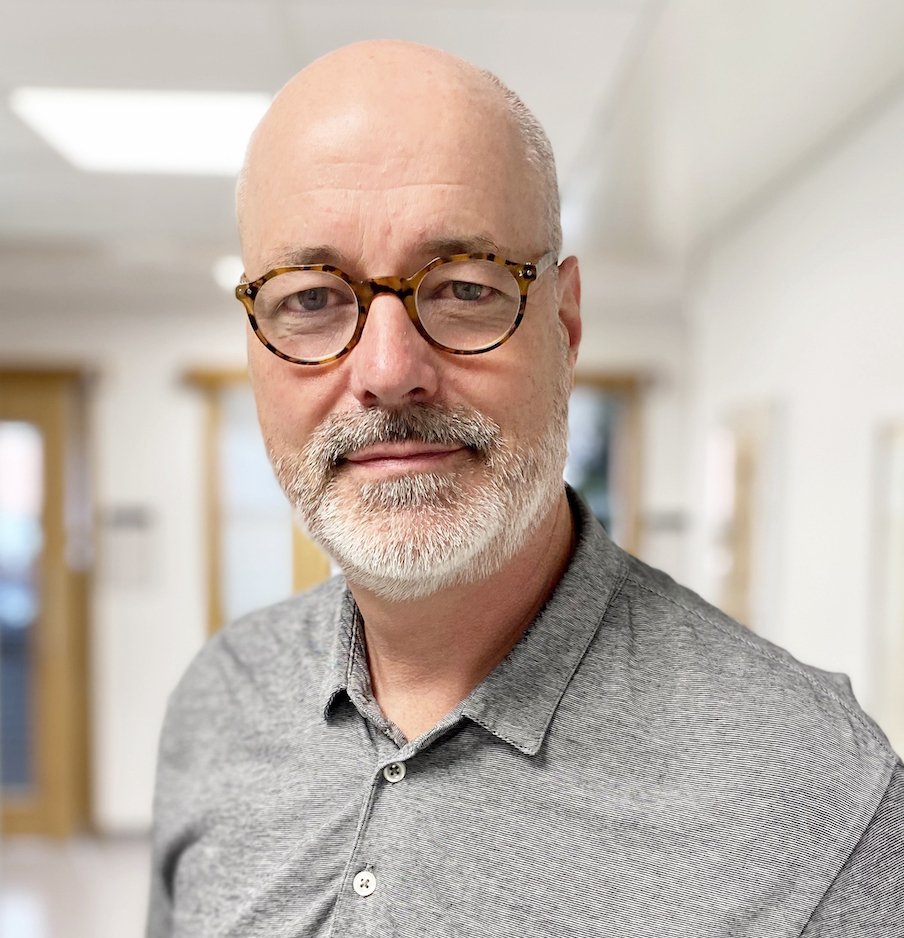
"In addition to facilitating a modern and more accessible way of giving consent, the digital consent platform is an important long-term infrastructure for research within GMS. A key strength is the ability to also register previously collected paper consents in the database, making them electronically searchable and usable for future research."
At present, more than 5,000 digital consents are registered in the database, of which nearly 60 percent have been entered manually based on earlier paper consents. This clearly demonstrates the value of consolidating both historical and newly collected consents into a shared digital solution.
In summary, the study shows that electronic informed consent has the potential to strengthen patient involvement and make research on rare diseases more accessible, provided that the solutions are flexible, inclusive, and adapted to the diverse needs of patients.
The study was carried out within Genomic Medicine Sweden and funded through a Vinnova project applied for in collaboration between GMS, Region Stockholm, Region Skåne, Region Västra Götaland, Uppsala University, and the Swedish National Organisation for Rare Diseases. Individual researchers in the project were also funded by the Swedish Research Council and the Swedish Brain Foundation.
Publication
Implementing electronic informed consent in rare disease genomics.
Ekholm K, Augustinsson A, Sundström J, Johansen C, Storgärds M, Ljöstad L, Taylan F, Ekblom E, Juran S, Ek M, Malmgren CI, Soller MJ, Friedman M, Thunström S, Lovmar L, Nordgren A, Ehrencrona H, Lindstrand A
Sci Rep 2025 Dec;15(1):44419 doi: 10.1038/s41598-025-32740-1