Compare two children born in the same year: one in a country with functioning schools, social services, fair elections and a dynamic economy and the other in a nation devastated by poverty, conflict, climate change or corruption.
Neither chose their circumstances. Yet, one will likely live decades longer, earn far more and have a meaningful say in the decisions that shape their life.
The United Nations considers the gulf between those two children not simply unfair, but a violation of the right to development.
Since 1986, the UN has recognised development not merely as economic growth, but as a human right that belongs to us all.
It encompasses economic, social, cultural and political rights aimed at reducing inequality and creating a fairer world.
According to the World Inequality Report 2026 , supported by the UN Development Programme ( UNDP ), half of the world's poorest people own just two per cent of global wealth while the wealthiest 0.001 per cent - the billionaire class of around 56,000 people - hold three times more wealth than all of those poor people put together.
This is precisely the "widening inequality within and among countries" that the UN's human rights office ( OHCHR ) says the right to development exists to confront.
'Inalienable human right'
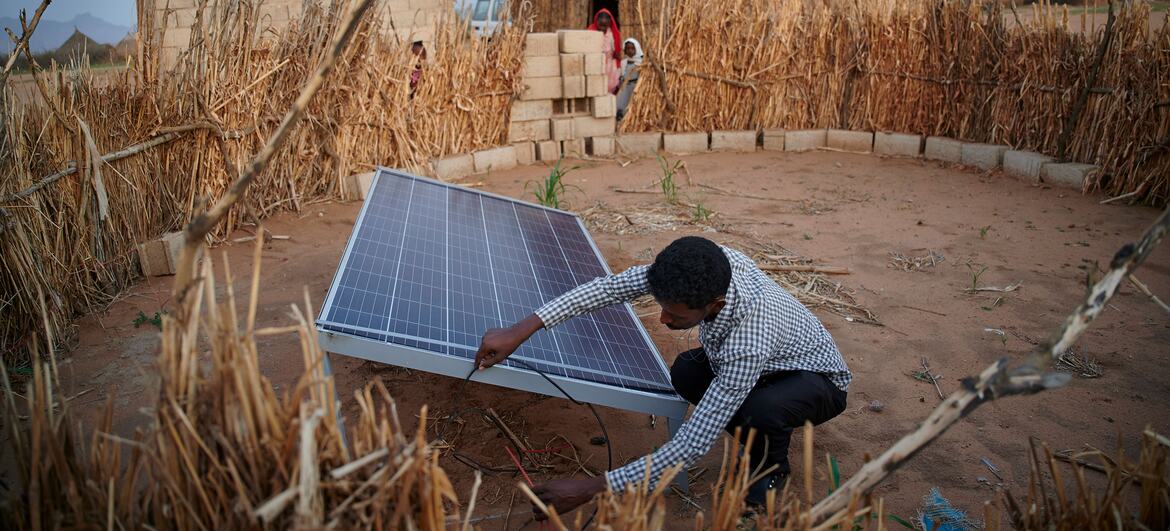
The Declaration on the Right to Development (which is not a legally binding treaty) was agreed by UN Member States in 1986 and describes the "inalienable human right" to allow every person and people to "participate in, contribute to and enjoy" economic, social, cultural and political development.
Crucially, it includes people's sovereignty over their own natural wealth and resources.
Why does it matter?
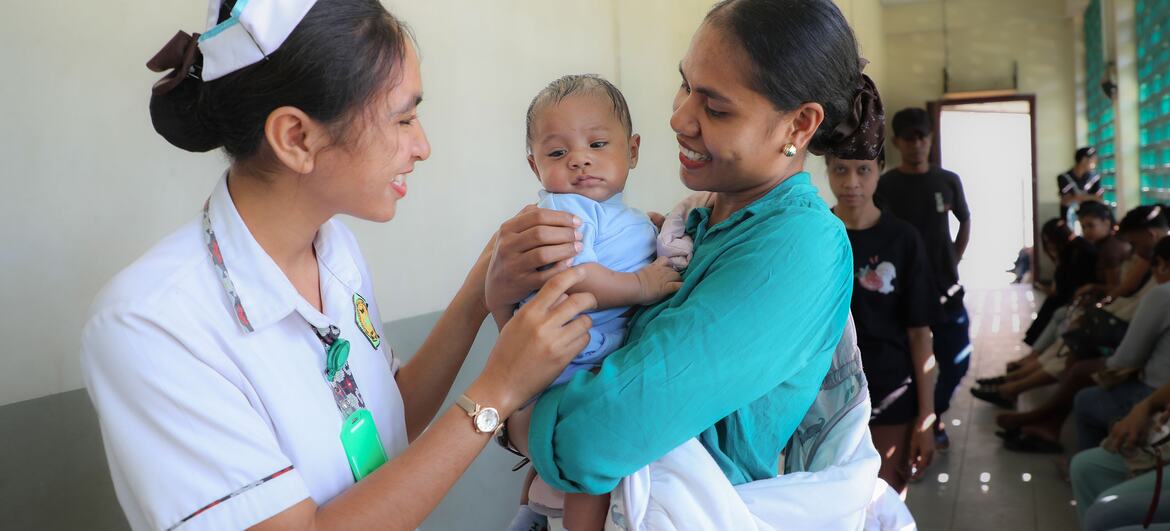
The right to development "is not about charity, but enablement and empowerment", the UN says.
Over the past 80 years since the end of the Second Word War, growth has not been shared equally and that inequality, left unaddressed, fuels poverty, unrest, migration and mistrust in institutions.
Key principles
- People-centred development: The "human person" as subject and beneficiary of development
- Participation: Active, free, meaningful involvement in decisions
- Equity: Fair distribution of development's benefits
- Non-discrimination: No exclusion based on "race, sex, language or religion"
- Self-determination: People should control their own resources
Do these principles really change lives?
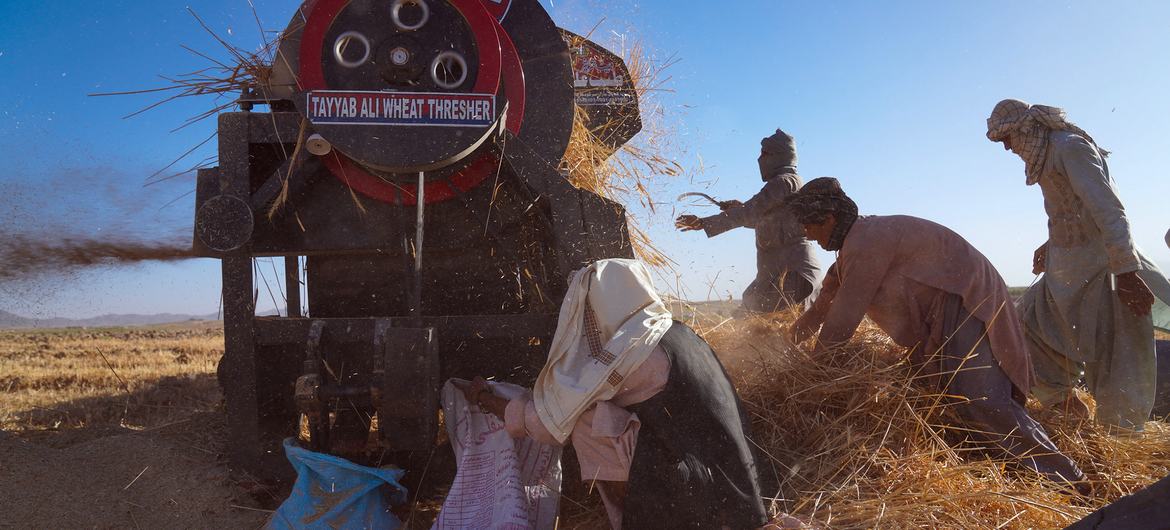
Properly applied, the principles mean communities across the world do benefit.
In Morocco , vocational-training programmes are helping women launch income-generating activities.
Indigenous groups in Colombia have participated in the South American country's peace accords.
In communities in Afghanistan , India and Palestine, people have learned how to share resources fairly rather than compete for them.
What happens when development leaves people behind?
The impact on people is just as concrete.
In Kenya, the Endorois, a community of roughly 60,000 people who had lived around Lake Bogoria for centuries, were excluded from the decision to turn their land into a game reserve. Denied consultation and a fair share of the reserve's benefits, they lost the grazing pastures that were their livelihood, and large numbers of their cattle died.
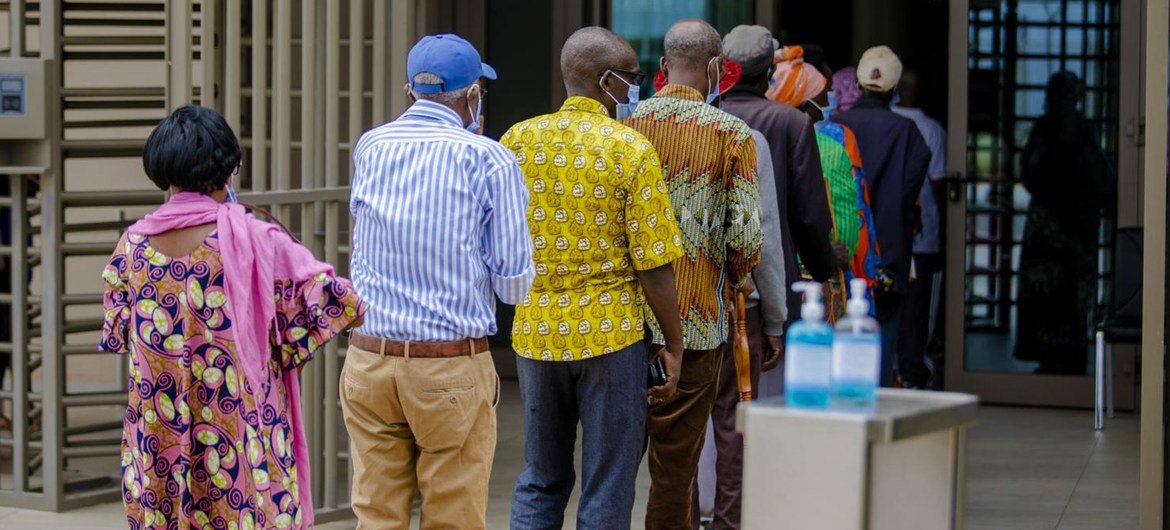
During the COVID-19 pandemic, developing countries had less access to vaccines.
One UN official commented that "more than 600,000 deaths could have been prevented if all countries had been able to reach the World Health Organization vaccination target by the end of 2021. This failure was tragic and profoundly immoral."
The barriers? Disagreement among States over binding obligations, weak international cooperation and a lack of political will are all holding back the right to development.
How relevant is it today?
Probably more relevant than ever before.
Climate shocks, conflict and immigration are overlapping global crises which are contributing to worsening poverty and inequality.
A fairer development system can help to reverse that trend.
Why is the UN focusing on this issue now?
It's 40 years since the UN agreed on the 1986 Declaration on the Right to Development .
Member States will meet on 23 September at the UN in New York to renew the global commitment to ensuring that every person has a fair chance to live with dignity, opportunity and hope.
The meeting will bring together world leaders to reflect on progress made over the past four decades and to discuss how countries can work together to reduce poverty, expand opportunities and address inequalities that continue to prevent millions of people from fully benefiting from economic and social development.