
Living in a poorer neighbourhood in the UK could impact the make-up of your gut microbiome, potentially leading to worse health.
New research, led by King's College London and the University of Nottingham, found that people living in areas of higher social deprivation have a less diverse range of bacteria in their gut.
The study, published in npj biofilms and microbiomes, also found people in these areas have less short-chain fatty acid-producing bacteria – which are vital for reducing inflammation and regulating energy metabolism.
These differences in gut bacteria could lead to worse health outcomes including mental health and metabolic health (which helps manage people's energy levels), immune system function, and mood stability.
In particular, the research found a link between those in areas of higher deprivation who had worse gut microbiomes and mental health conditions such as anxiety.
In the study, the researchers analysed the gut bacteria of 1,390 female twin individuals from TwinsUK along with their residential postcodes to identify the participants' area level socioeconomic status.
To measure the deprivation of an area they primarily used the well-established Townsend Deprivation Index. The Townsend Deprivation Index measures deprivation using practical indicators like unemployment, overcrowding, and home or car ownership to measure material deprivation of different areas.
The researchers identified 12 bacterial species linked to living in more deprived areas. Two of these, Lawsonibacter and Intestinimonas massiliensis, were negatively associated not only with deprivation, but also with higher rates of anxiety and diabetes. These two bacteria normally produce butyrate, a helpful substance in the gut that supports blood sugar control, energy balance, and communication between the gut and the brain. Changes in these bacteria may help explain how social disadvantage could affect both mental and physical health.
The findings suggest the gut microbiome may play a role in the connections between social deprivation and adverse health outcomes. Researchers hope that interventions such as fibre-rich diets that support butyrate-producing bacteria, and targeted probiotic approaches to improve gut health, could help counter some of the harmful effects that socioeconomic stress has on a person's mental and physical wellbeing.
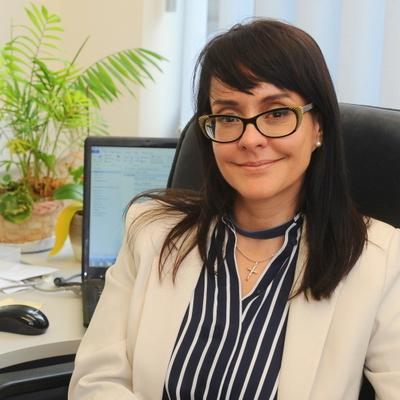
Dr Ana Valdes, Professor of Molecular Epidemiology at the University of Nottingham and the Nottingham NIHR Biomedical Research Centre, said: "By uncovering how social deprivation translates into biological changes – fundamentally altering our gut microbiome composition – we can now design targeted interventions to reverse some of these health inequalities. Understanding these pathways gives us actionable targets, whether through dietary fibre, probiotics, or other gut-focused strategies, to break the cycle linking poverty to poor health outcomes."
Dr Cristina Menni, Senior author of the study and a Senior Lecturer in Molecular Epidemiology at King's College London, said: "Although this is still an emerging area of research, we know that the diversity of bacteria in the gut plays an important role on overall health. Our findings suggests that people who live in more socially deprived areas of the UK may have less diverse gut microbiomes, which could affect other aspects of their health. We hope that this might lead to interventions that support gut health and help improve overall wellbeing."
Dr Yu Lin, first author of the study and a Research Associate at King's College London, said: "The gut microbiome might be one of the ways our environment and social circumstances, such as chronic stress, financial strain, access to healthy food, affect both our mental health and our metabolic health. These microbes, in turn, influence how the body process energy and communicate with the brain. In other words, the bacteria in our gut could help explain how where we live and the stresses we face shape our overall wellbeing. We hope that our findings will contribute to new strategies for supporting health in disadvantaged communities."
This research was funded in whole, or in part, by the UKRI (MR/Y010175/1, MR/T004142/1) and by the Wellcome Leap Dynamic Resilience Programme (co-funded by Temasek Trust).


