An international team of scientists working with Queensland Museum's CoralBank project has uncovered previously hidden coral diversity on Australia's east coast, revealing that 12 corals once considered variations of other species are distinct species in their own right.
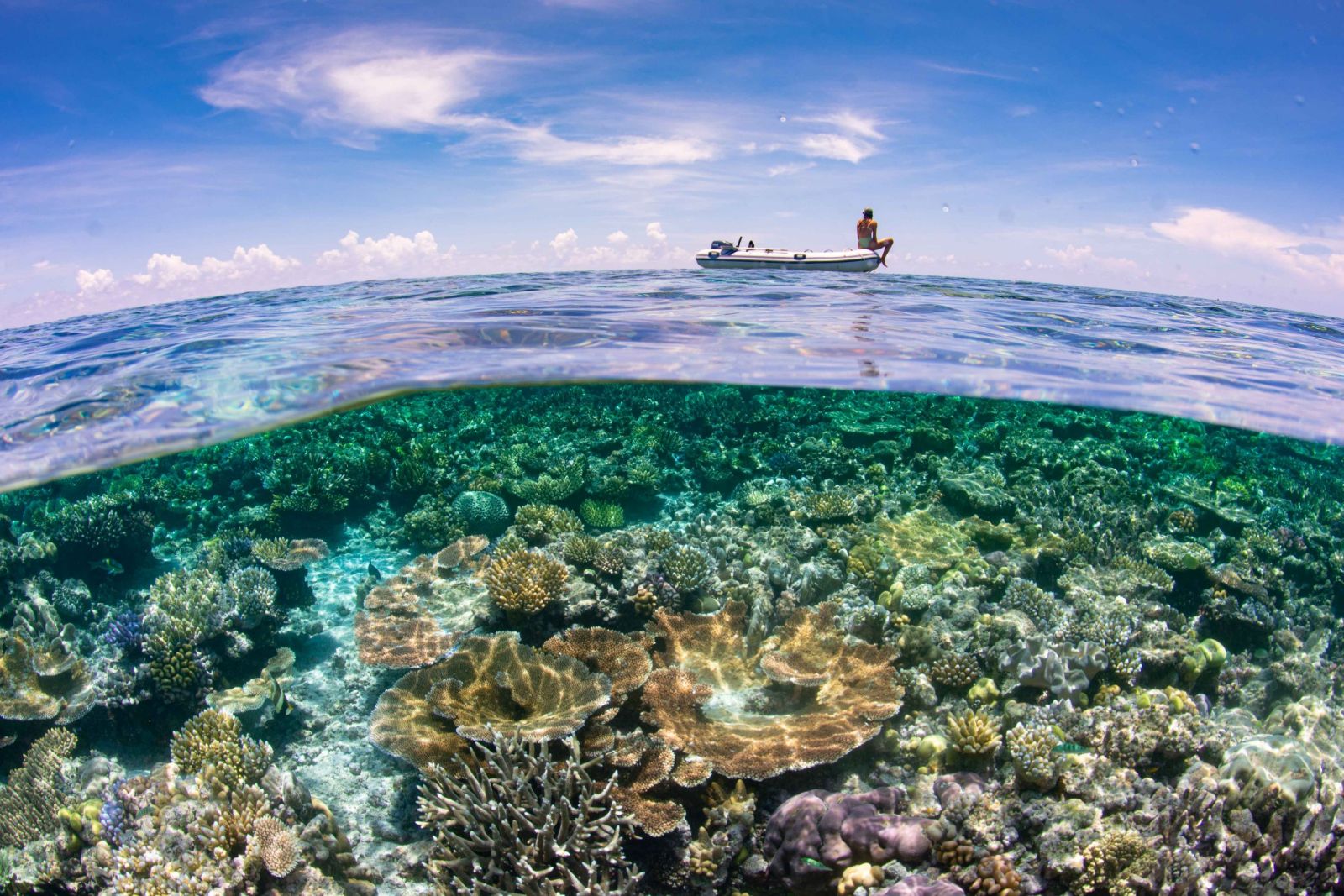
The research, led by Dr Augustine Crosbie from James Cook University and Queensland Museum,brings new clarity to Acropora, one of the most diverse groups of reef-building corals, which includes branching staghorns and table-forming corals.
By combining cutting-edge genomic sequencing with historical museum specimens, researchers reassessed 53 named Acropora species, including 40 originally described from Australia's east coast.
The study found that 47 species were supported as distinct, with 12 species previously treated as synonyms now resurrected and four previously unresolved species recognised as valid.
Dr Crosbie said the research had brought long-overlooked coral diversity back into focus.
"Many of these corals have been known to science for more than a century, but distinct species had been misinterpreted and treated as variants of other coral species," Dr Crosbie said.
"By connecting the original museum specimens with modern corals and genomic data, we have been able to get a much clearer picture of the diversity and identity of corals on the Great Barrier Reef."
For decades, coral scientists have faced the challenge of determining whether differences in the shape and structure of corals represent distinct species or simply different forms of the same species growing under different environmental conditions.
A key part of the research involved examining historical type specimens held in museum collections in Australia and around the world. Because many of these specimens consist only of preserved coral skeletons and cannot be sequenced directly, researchers collected modern corals from the locations where the species were originally described, linking historical collections with modern genomic data.
Queensland Museum CEO Renai Grace said the research demonstrated the continuing value of museum collections in advancing scientific knowledge.
"Scientific discovery is an evolving journey and the extensive coral collections at Queensland Museum represent decades of extraordinary painstaking study that first defined how we understand reef species," Ms Grace said.
Queensland Museum Principal Scientist of Marine Biodiversity and James Cook University Associate Professor Peter Cowman said recognising distinct species was critical to understanding and protecting coral biodiversity.
"A coral that appears to be common and widespread may actually represent several species, each with a much smaller geographic range," Dr Cowman said.
"That matters when we assess extinction risk, monitor reef communities and decide where conservation resources should be directed."
Senior researcher and co-author James Cook University's James Cook University Adjunct Professor of Marine Ecology Andrew Baird said the findings were particularly significant for one of the world's most studied ecosystems.
"The Great Barrier Reef is one of the best studied ecosystems on Earth, yet we are still discovering that we have underestimated the number of coral species living there," Prof Baird said.
"Knowing which species are present is fundamental to understanding, monitoring and protecting the Reef's biodiversity."
The study, "On the nominal species of Acropora (Scleractinia: Acroporidae) described from eastern Australia", has been published in Invertebrate Systematics.