
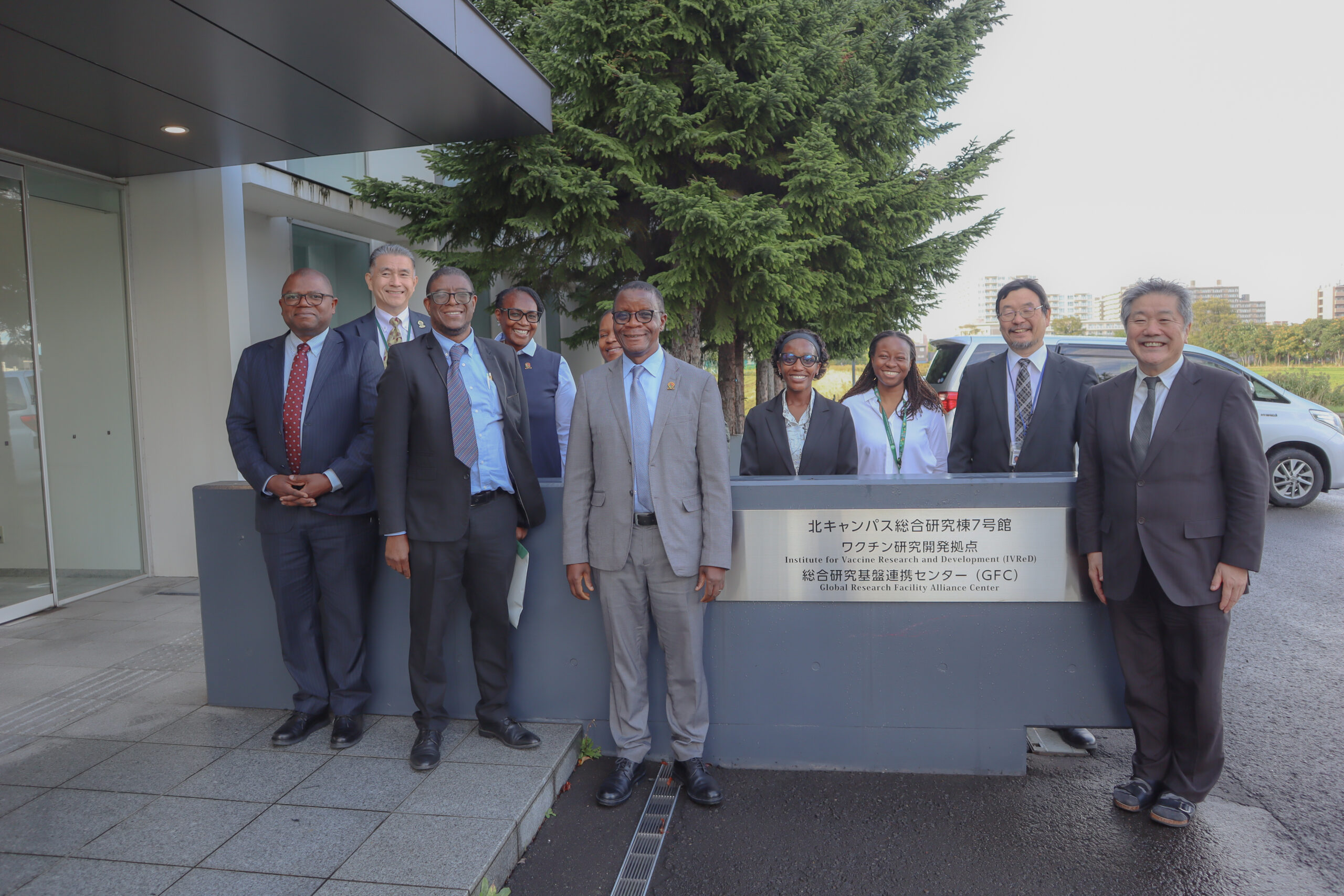
Hokkaido University and the University of Zambia have maintained close ties in joint research, human resource development, and other areas for more than 40 years, dating back to the establishment of the University of Zambia's School of Veterinary Medicine in 1985. To mark Hokkaido University's 150th anniversary, a four-member delegation from the University of Zambia, including Vice-Chancellor Mundia Muya, visited the University.
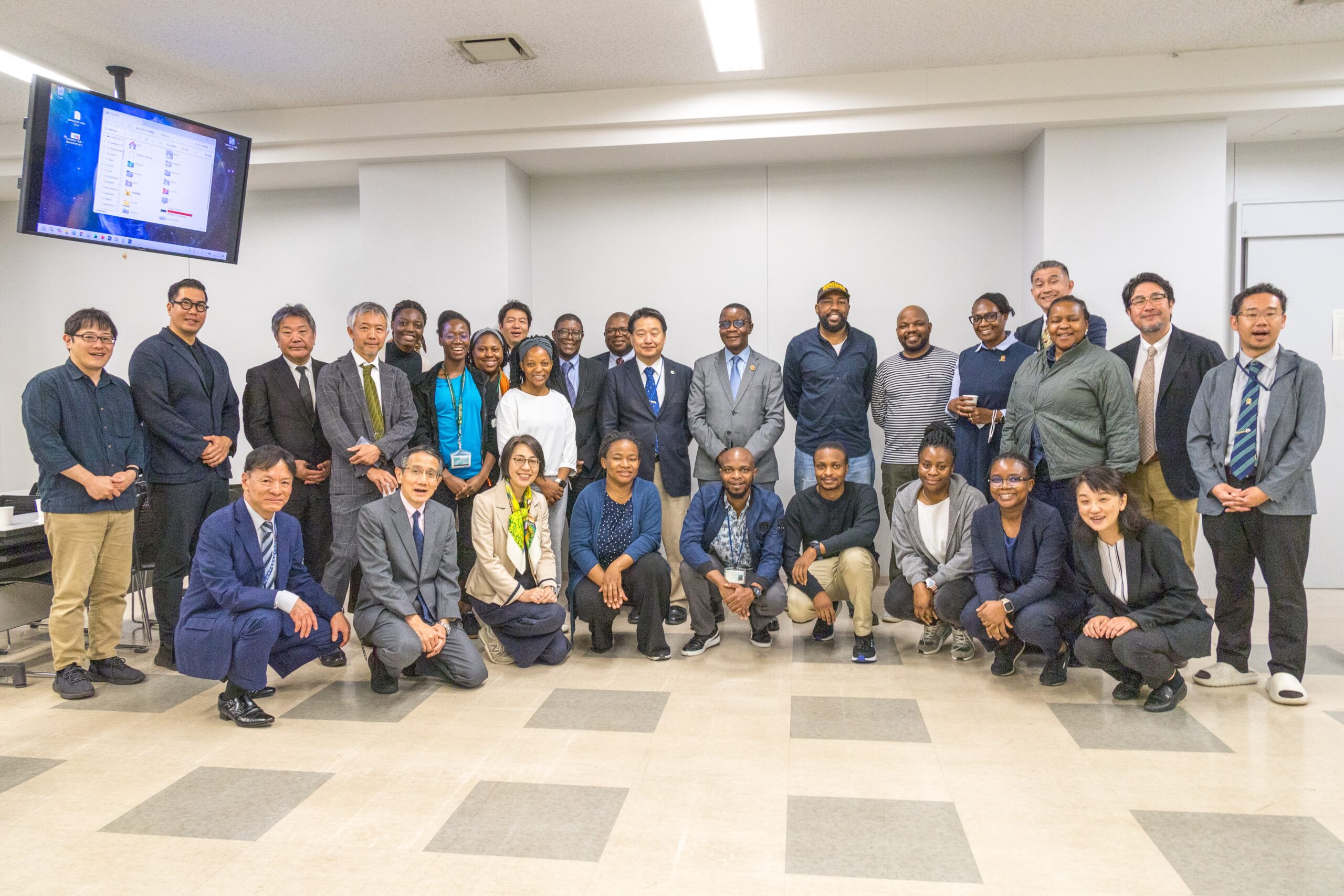
On September 28, an information exchange meeting was held to share the progress and achievements of collaborative projects between the two universities. What began with cooperation in veterinary medicine has expanded into joint projects spanning infectious diseases, environmental pollution, agriculture, sanitation, mining, and other fields. The meeting provided an opportunity to take stock of this long-standing partnership and explore possibilities for new collaboration across disciplines and faculties.
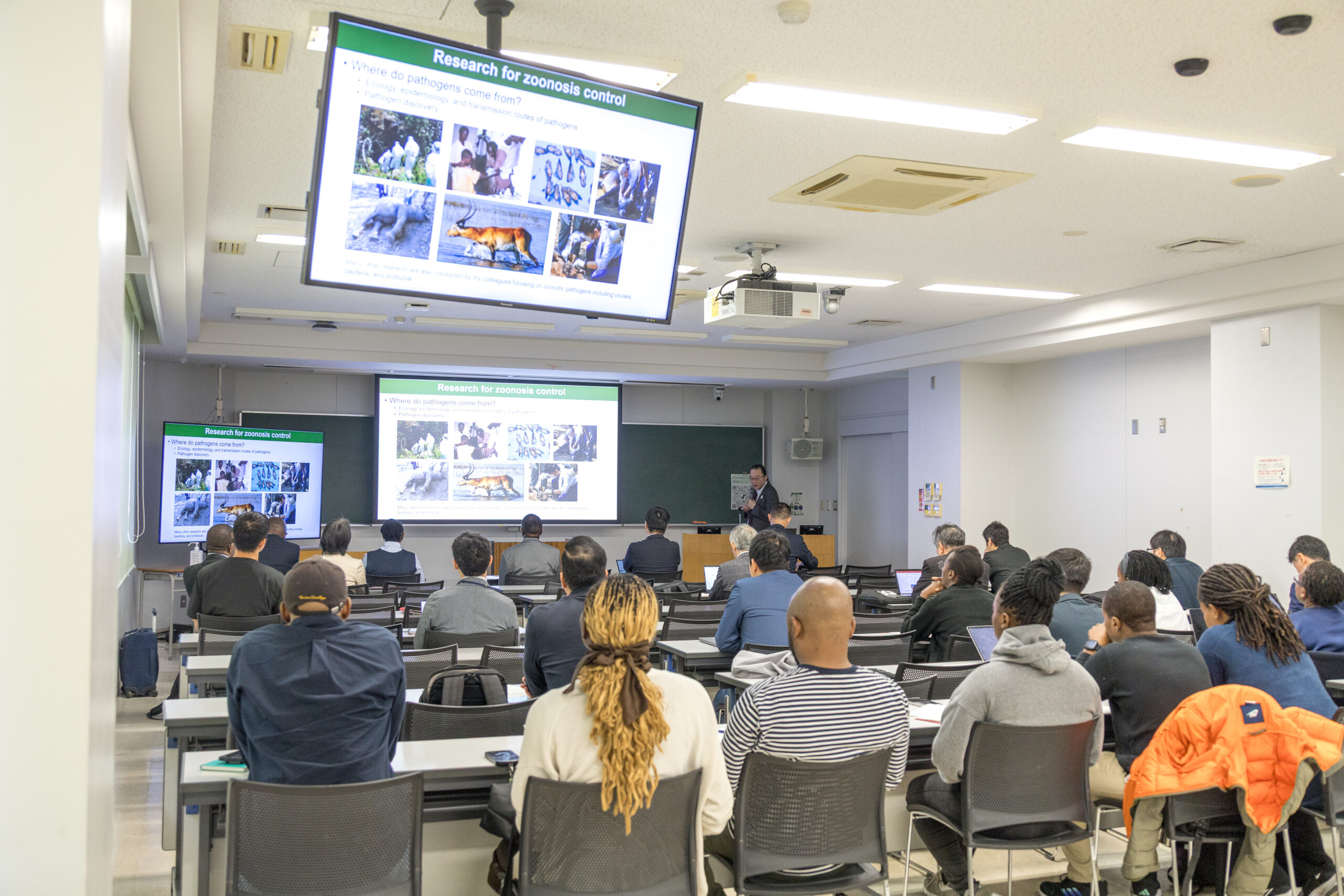
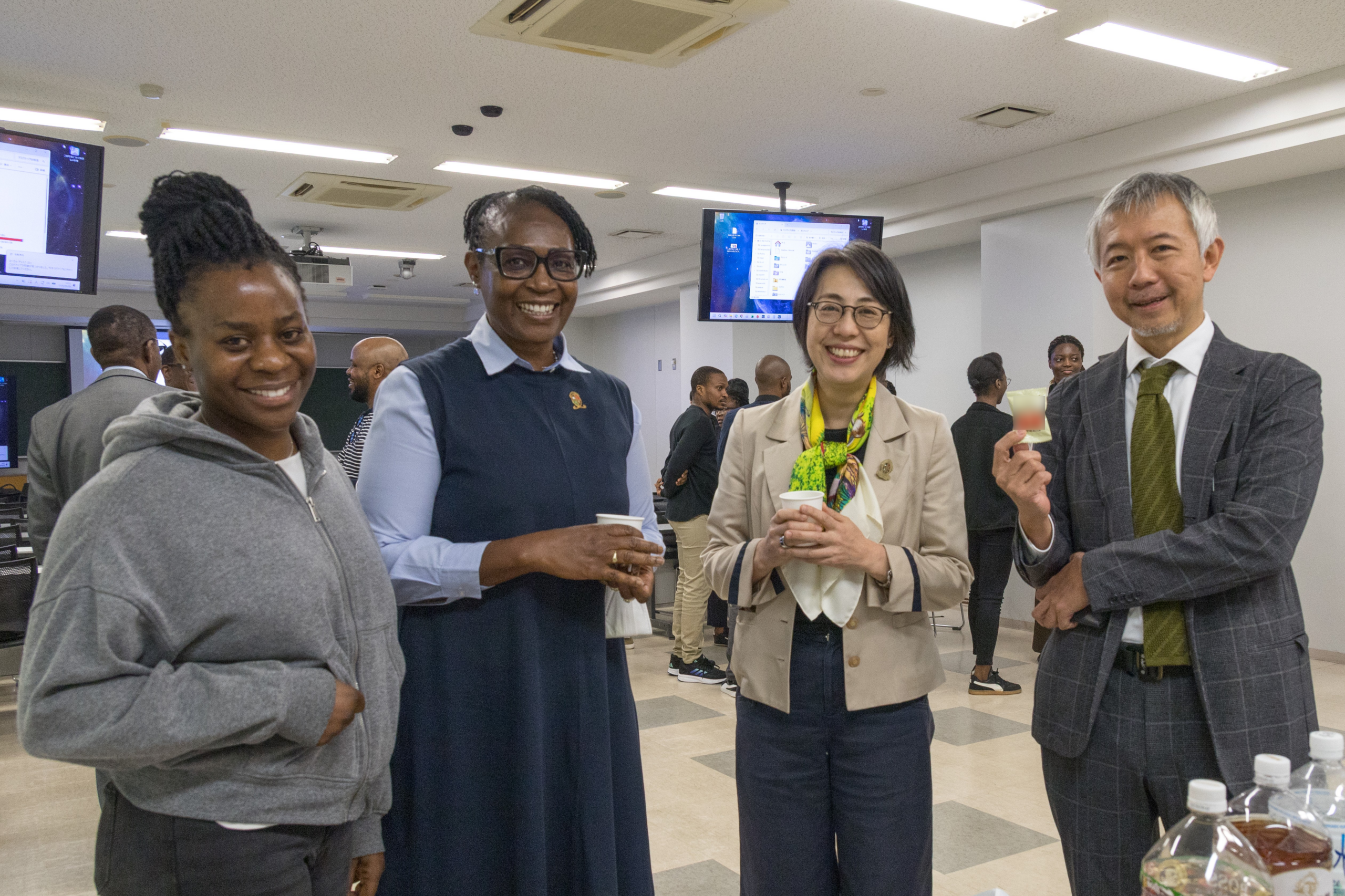
Around 30 people attended the meeting, including the delegation from the University of Zambia, Hokkaido University faculty members leading collaborative projects with the University of Zambia, and Hokkaido University students from Zambia.
Professor Ayato Takada, Director of Hokkaido University's International Institute for Zoonosis Control (IIZC), opened the presentations with an overview of the Institute. He explained how the Research Center for Zoonosis Control was established in 2005 and reorganized as the IIZC in 2021. He also discussed the establishment of the Hokudai Center for Zoonosis Control in Zambia (HUCZCZ) within the University of Zambia's School of Veterinary Medicine in 2007. "When I was a graduate student, I studied in the same laboratory as students from the University of Zambia, and we promised that someday we would conduct research together in Zambia. That promise became a reality at HUCZCZ," Takada said.
Takada's research focuses on identifying the origins of zoonotic pathogens. He described field research conducted in collaboration with the University of Zambia, including capturing bats and surveying wild birds. He also described Hokkaido University's technical support for COVID-19 diagnostics in Zambia during the early stages of the pandemic, as well as the joint development of rapid diagnostic kits for diseases including Ebola virus disease.
Professor Shouta Nakayama of the Faculty of Veterinary Medicine, whose specialty is toxicology, presented the KAMPAI Project, which investigates contamination by heavy metals such as lead and mercury. The project seeks to advance a One Health approach-protecting human, animal, and environmental health together-through improvements to the soil environment. Nakayama explained that more than 200 people from Japanese universities and companies, the Zambian government, and other organizations participated in the project, and that its findings were compiled into policy recommendations for the Zambian government.
In 2025, the initiative developed into a successor project, ZAZINAMBO, involving four Southern African countries-Zambia, Zimbabwe, Namibia, and Botswana. Nakayama also announced that a symposium would be held in Lusaka, Zambia's capital, the following month. He introduced Global Nexus in Sub-Saharan Africa: Shaping the Future of Well-being with One Health, an international student exchange program launched at Hokkaido University in 2025. "Student exchange is extremely important for future collaboration and education," he emphasized.
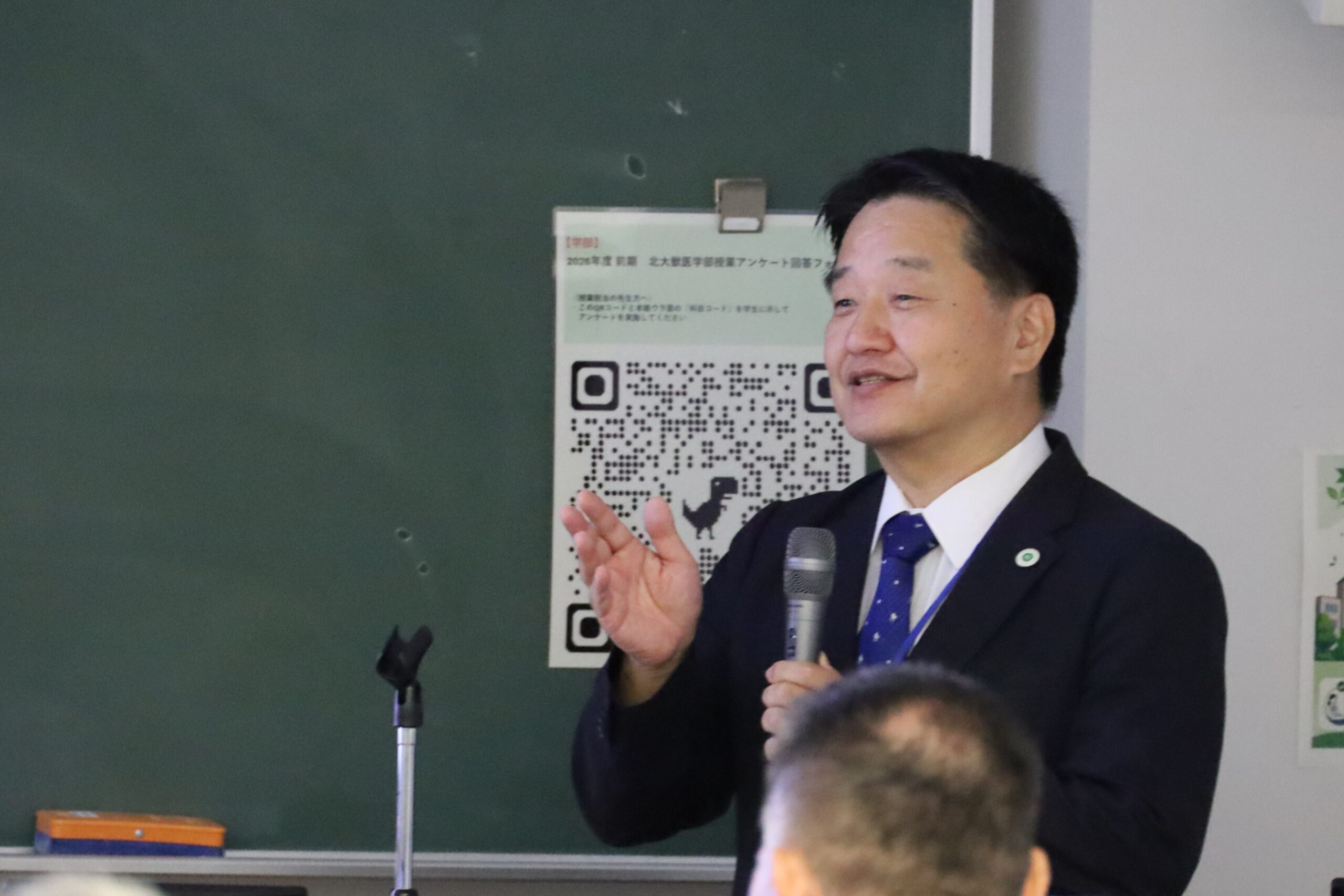
Professor Masahiro Okumura of the Faculty of Veterinary Medicine, who served as the first Director of Hokkaido University's Africa Office in Lusaka, is leading a project to strengthen clinical research as a veterinary surgeon. With support from the Japan International Cooperation Agency (JICA), the project has introduced and upgraded necessary diagnostic and medical equipment at UNZA since 2021. Okumura explained that the project has also focused on training veterinarians and providing education to ensure that the equipment can be used effectively.
"While Zambia aims to export meat products, Southern Africa faces a severe shortage of veterinary professionals needed to sustain livestock production and exports. Developing such human resources is therefore an urgent priority," Okumura said.
Professor Hirofumi Sawa, Director of Hokkaido University's Institute for Vaccine Research and Development (IVReD) and Director of HUCZCZ, introduced IVReD's activities since it was selected in 2022 as one of Japan's vaccine research and development centers. "Working with research institutions in Japan and overseas, we aim to bring vaccines, diagnostics, therapeutics, and other medical countermeasures for diseases such as hantavirus infections and COVID-19 into practical use," Sawa said.
As one example of research translation, he described XOCOVA®, developed jointly with Shionogi & Co., Ltd., which received approval from the U.S. Food and Drug Administration (FDA) for post-exposure prophylaxis of COVID-19. He also highlighted achievements from epidemiological research conducted with the University of Zambia, including the isolation of viruses from crocodiles and mosquitoes.
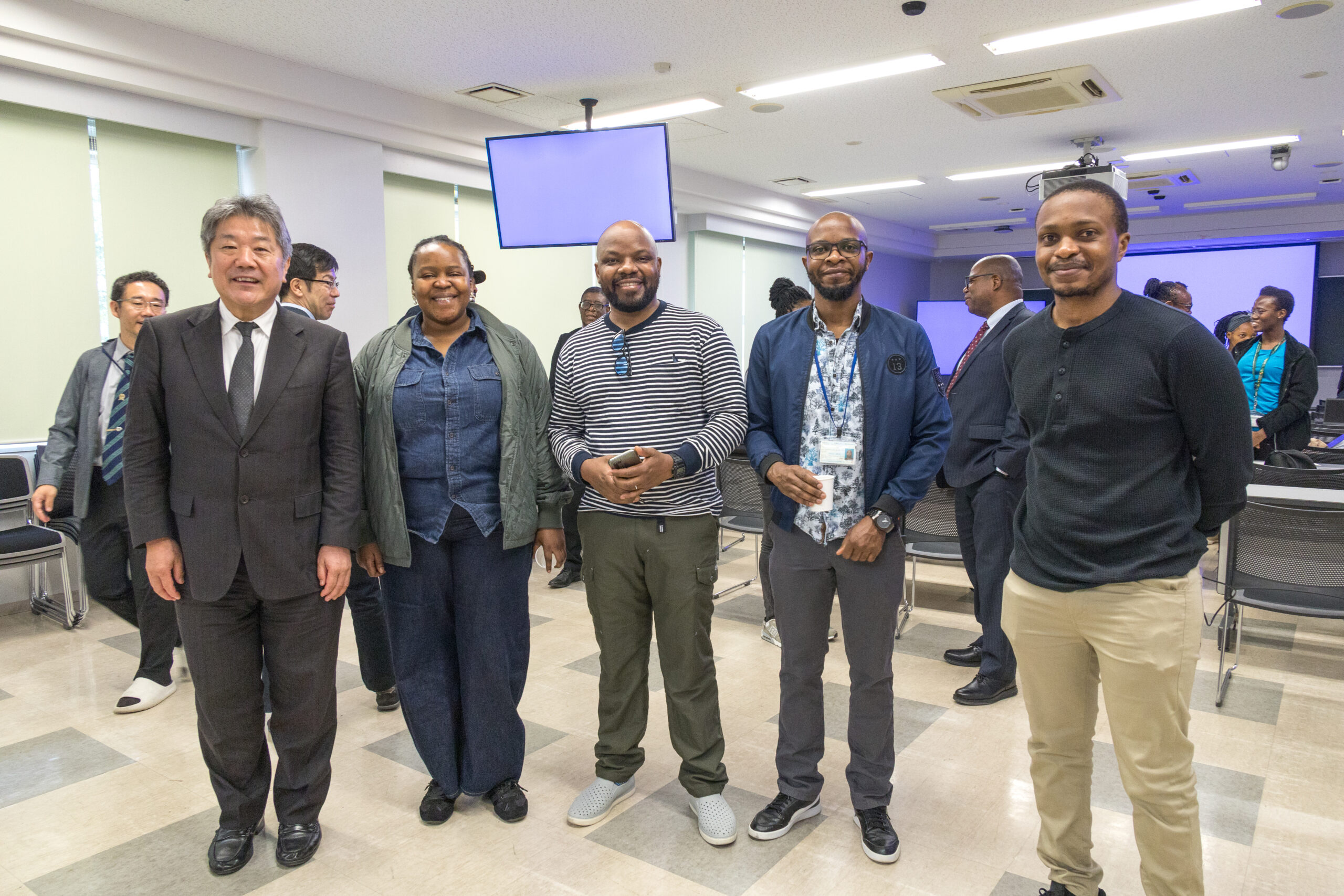
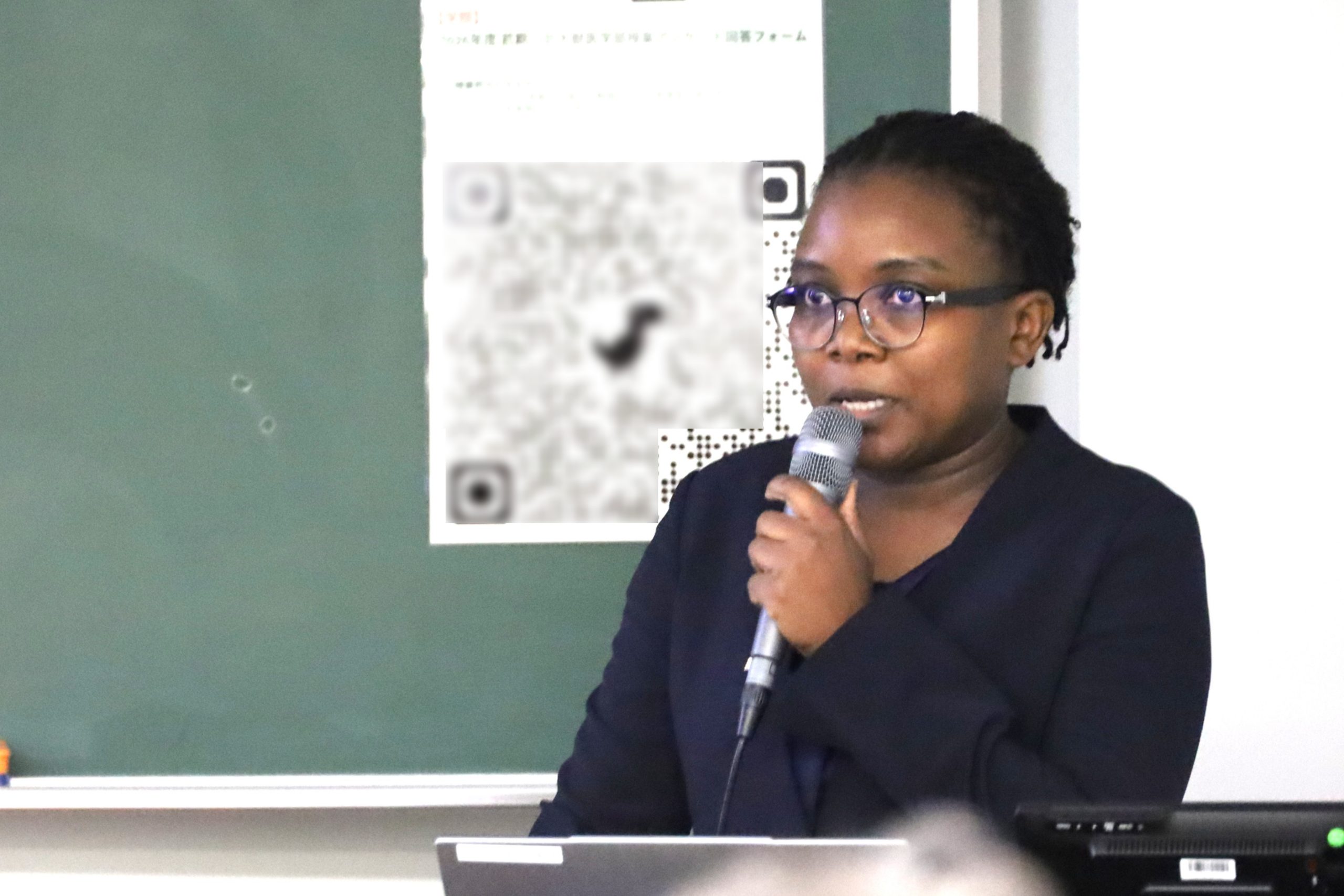
Collaboration between the two universities now extends well beyond veterinary medicine and infectious diseases. Ms. Christabell Nachilima, a doctoral student at the Graduate School of Agriculture and an alumna of the University of Zambia (UNZA), presented the progress of the RiceBACS project, a Japan-Zambia collaborative initiative launched in 2023 under the SATREPS program.
The project aims to establish a faster rice-breeding system in Zambia by combining anther culture, advanced breeding technologies, and citizen science. Ms. Nachilima highlighted Zambia's growing demand for rice and the challenges in achieving a stable domestic supply. Her research focuses on identifying the genetic factors and culture conditions needed to apply anther culture effectively to Zambian rice varieties. This technique could reduce the breeding period from the conventional 8-10 years to about one year, helping accelerate the development of improved rice varieties for Zambia.
Professor Taro Yamauchi of the Faculty of Health Sciences, who specializes in human ecology and global health, explained that his research in Zambia began in 2006 with studies of child growth, nutrition, and food security in rural areas. His work has since expanded into several projects addressing water, sanitation, hygiene, and related issues. A distinctive feature of his research is its participatory approach, involving local residents, including children and young people. "Zambia has become one of our most important long-term research partners," Yamauchi said.
Collaboration Extends into Engineering
Cooperation between the University of Zambia and Hokkaido University has also expanded into engineering. Professor Tsubasa Otake of the Faculty of Engineering, a specialist in resource engineering, explained that Zambia and other African countries possess abundant metal and mineral resources essential to decarbonization technologies. At the same time, he noted that environmental pollution associated with mining is a major challenge shared not only by Zambia but by many mineral-resource-rich countries.
"Zambia has set a goal of increasing its copper production three- to fourfold within several years, but environmental issues represent the greatest challenge," Otake said. He also introduced JICA's Kizuna Program, a human resource development program in the mining sector.
Professor Youhei Kawamura of the Faculty of Engineering, whose specialty is mining engineering, said, "As Japan pursues decarbonization, demand for mineral resources is increasing. That is precisely why the sustainable development of mines is so important." He introduced an educational program linking Southern Africa with universities in Japan, including Hokkaido University. Students can participate from the master's level and deepen their knowledge through courses and study-abroad opportunities covering resource science, advanced smart mining, recycling, resource finance, and the social sciences.
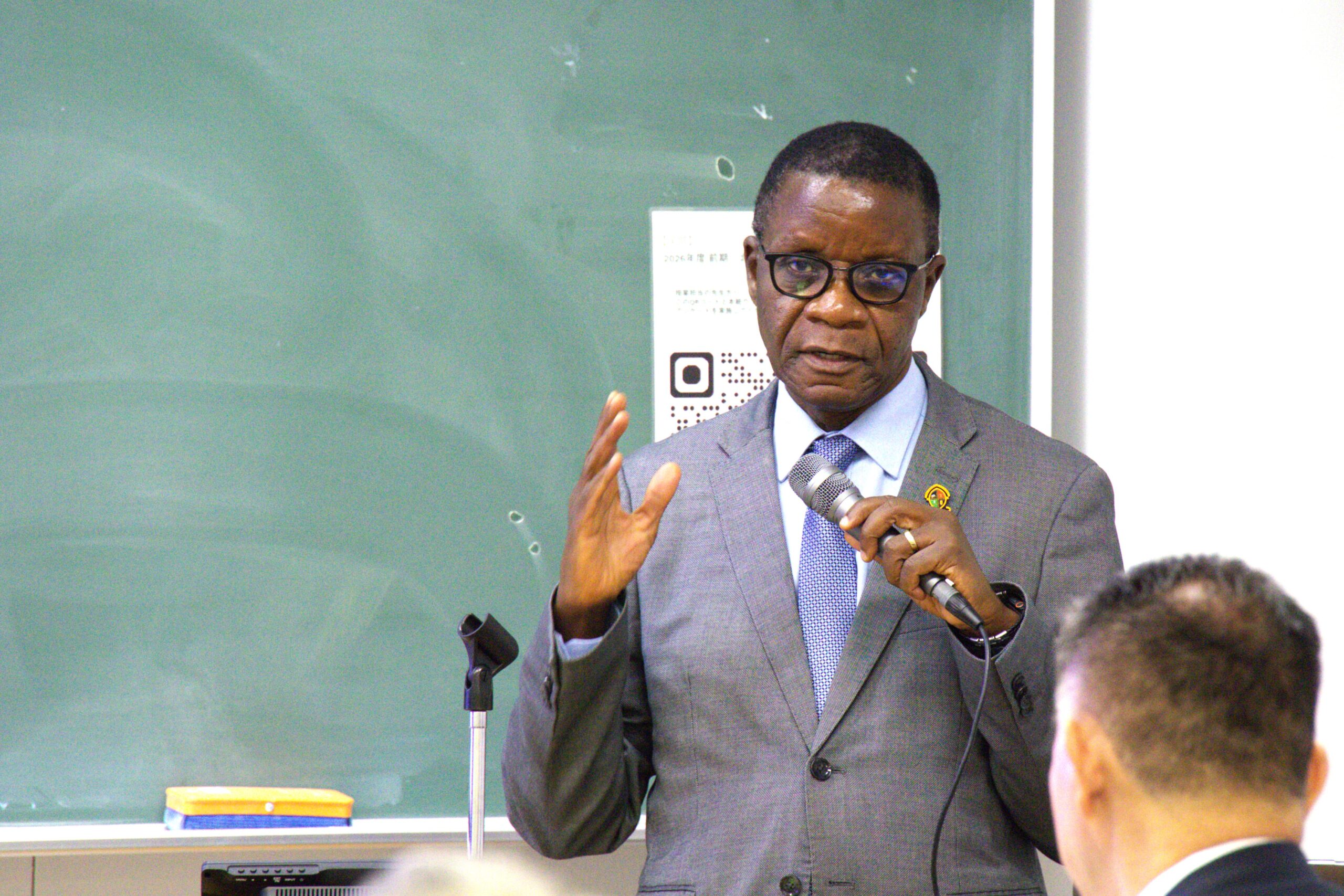
During the discussion, University of Zambia Vice-Chancellor Mundia Muya commented, "I believe that properly documenting and sharing the wide range of initiatives in areas such as mining, drug discovery, and agriculture, and making them known to more people, will be important in supporting future collaboration."
Professor Atsuko Ikeda of the Faculty of Health Sciences, Advisor to the President, added, "We hope to strengthen collaboration across disciplines, make our initiatives more visible, and build on them to sustain our partnership over the long term."
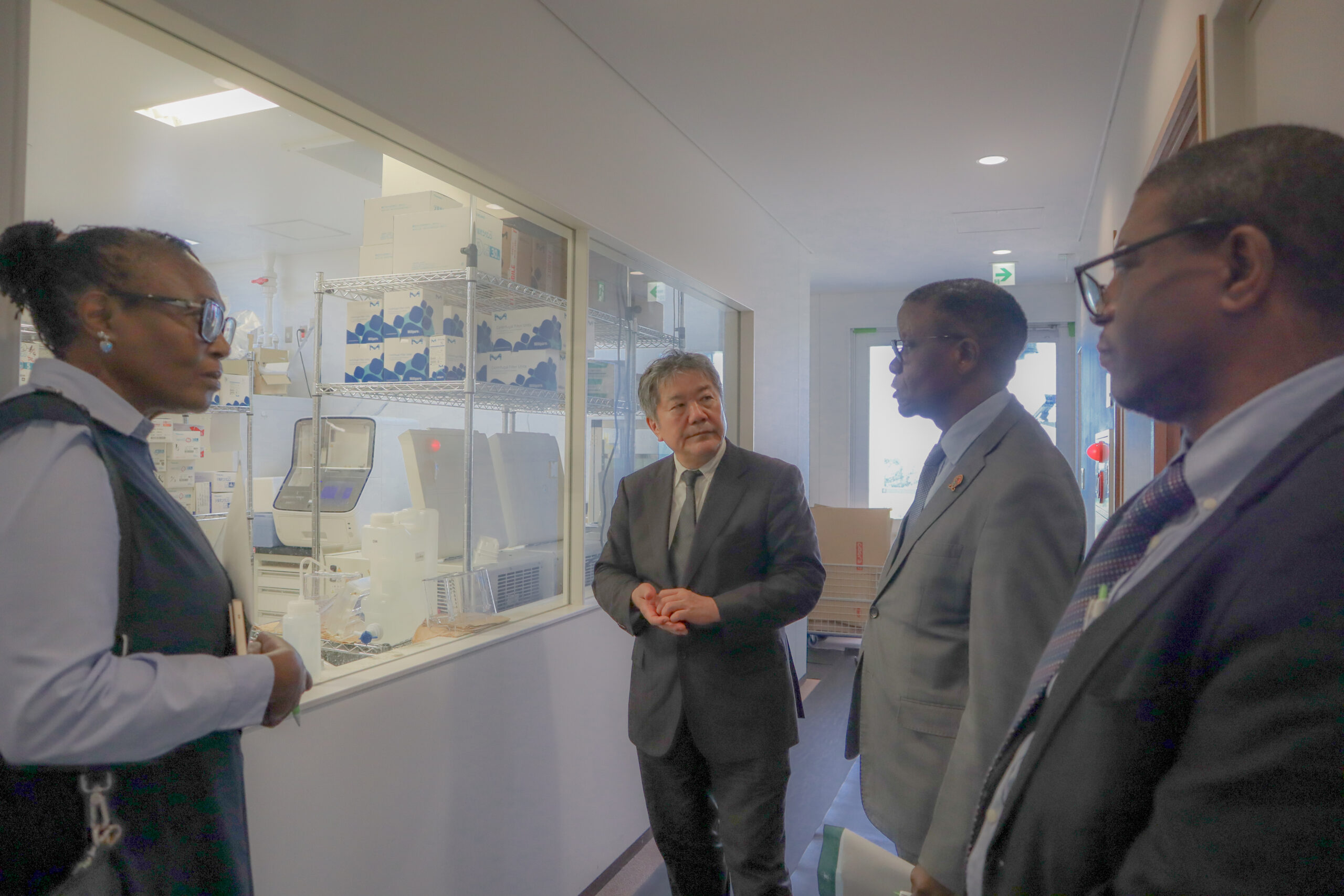
Before and after the information exchange meeting, members of the University of Zambia delegation paid courtesy visits to Hokkaido University departments and research centers, where they held discussions on research and educational collaboration and toured research facilities.
Collaboration between the University of Zambia and Hokkaido University began in veterinary medicine and, over the course of four decades, has expanded into a broad range of fields, including infectious disease control, heavy metal pollution, agriculture, water and sanitation, and human resource development in mining. The partnership has been sustained not only by sharing research achievements, but also by developing people and maintaining continuous exchanges.
As Hokkaido University celebrates its 150th anniversary, it will continue working with the University of Zambia to nurture students and early-career researchers who will lead the next generation and to expand collaboration across disciplinary boundaries.
Text and photos: Yuka Saito, Public Relations & Communications Division
Reporting support: International Affairs Department and Office for International Collaboration


