
Threatened plants and animals are showing encouraging signs of recovery in the open grasslands west of Melbourne, as long-term restoration work across the Western Grasslands Reserve begins to take hold.
From rare wildflowers emerging after ecological burns to the first verified detections of Plains-wanderer on Parks Victoria-managed land, rangers are seeing hopeful signs that one of Australia's rarest ecosystems can recover when given the right care.
'These moments give us real hope,' Grassland Ecologist, Jayden Maloney says. 'To many people, it looks like a paddock, but these remnant grasslands are biodiversity hotspots. They support an amazing mix of native plants and animals, including various threatened species that rely on these open, carefully managed landscapes to survive.'
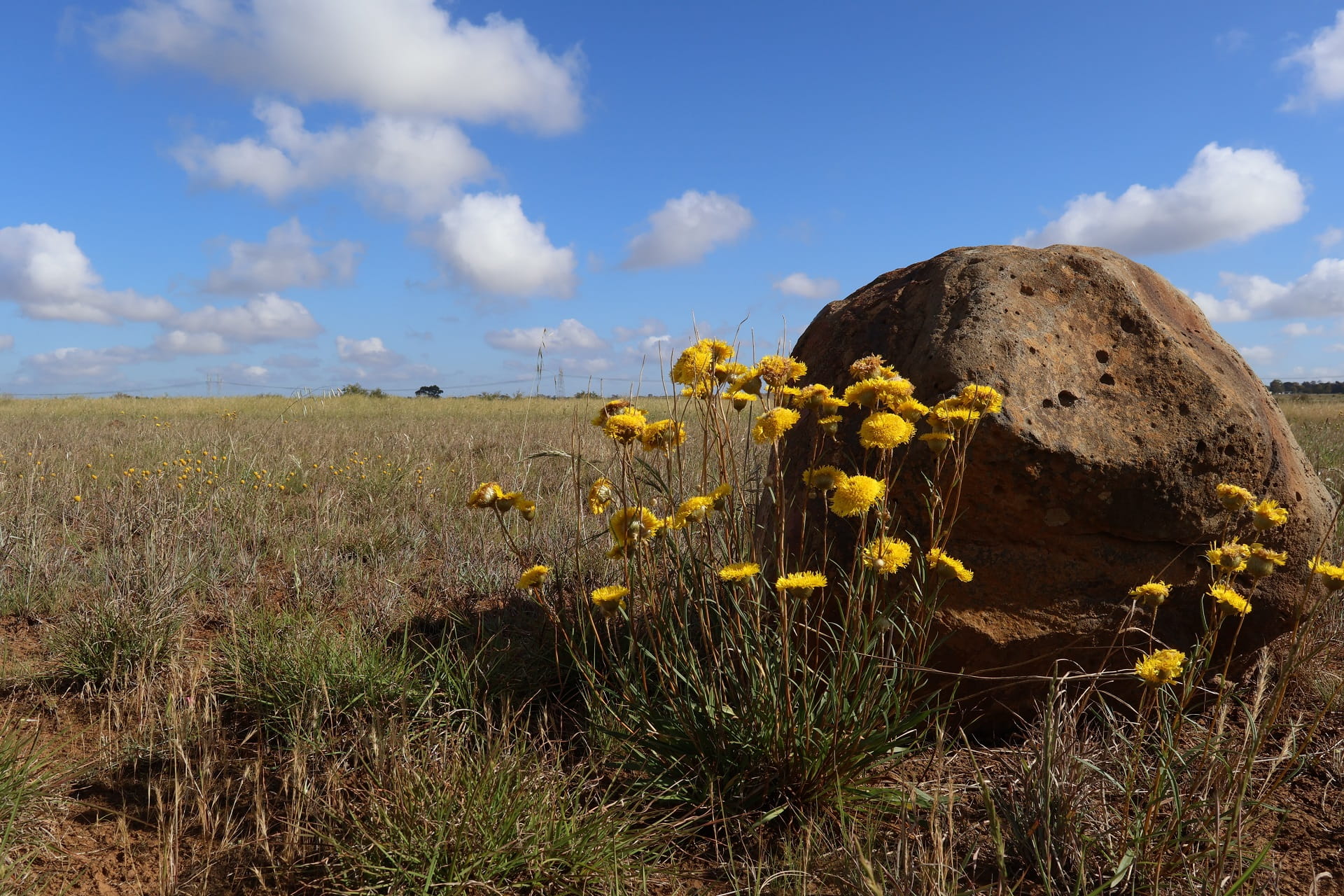
3,000 Button Wrinklewort plants grown at local Melbourne nurseries have been planted in the Western Grasslands Reserve reserve.
Why these signs matter
The hopeful signs are significant because Victoria's native grasslands have been dramatically reduced by clearing, grazing and urban growth, with less than 1% remaining across their natural range.
The Western Grassland Reserve is being established to protect 15,000 hectares of critically endangered native grassland and wetlands on Wadawurrung, Bunurong and Wurundjeri Country.
Today, Parks Victoria manages about 3,500 hectares of the reserve. As more land is added over coming years, rangers are working at a landscape scale to protect high-quality remnants and restore areas that have been degraded over time.
One of the biggest challenges facing these grasslands has been the invasion and establishment of various exotic weeds including Serrated Tussock, Chilean Needle Grass, Cane Needle Grass and Artichoke Thistle.
Jayden says the ranger team oversee and project manage contractors who carry out important weed management works. 'This year, about 850 hectares of selective broadscale weed treatment is planned or underway, helping prepare the ground for native grasses and wildflowers to return.'
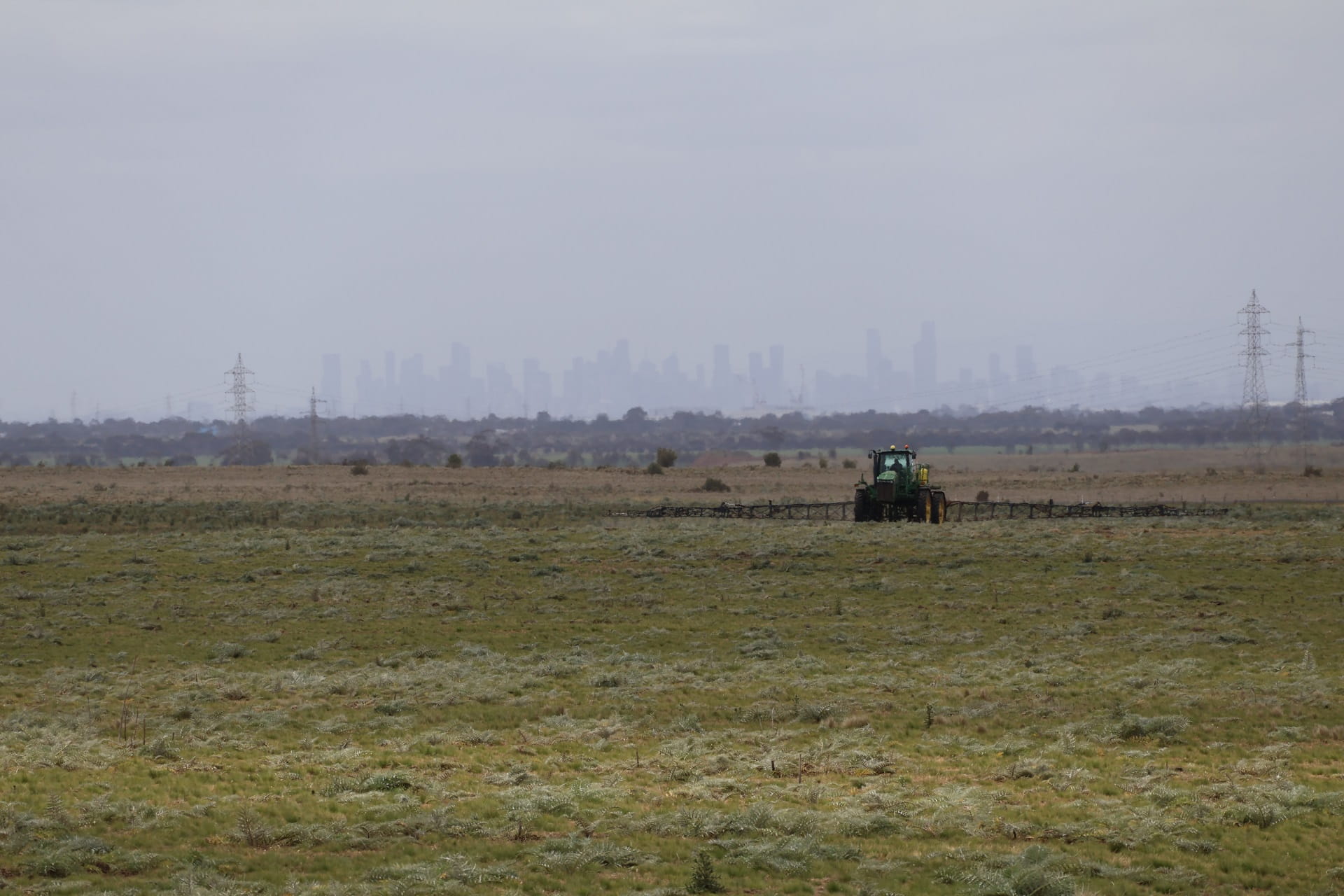
Broadscale boom spraying of weeds helps to prepare the ground for native grasses and wildflowers to return
Restoration is creating the right conditions
Fire and grazing are critically important tools. Carefully planned ecological burns and conservation grazing help open up space between grass tussocks, creating suitable habitat for threatened plants and animals.
'Over the past two years, ecological burning has increased across the reserve, with about 1,000 hectares of grassland burnt each year,' Jayden says. 'Conservation grazing has also been introduced, with cattle used at selected times of year to reduce vegetation across about 150 hectares.'
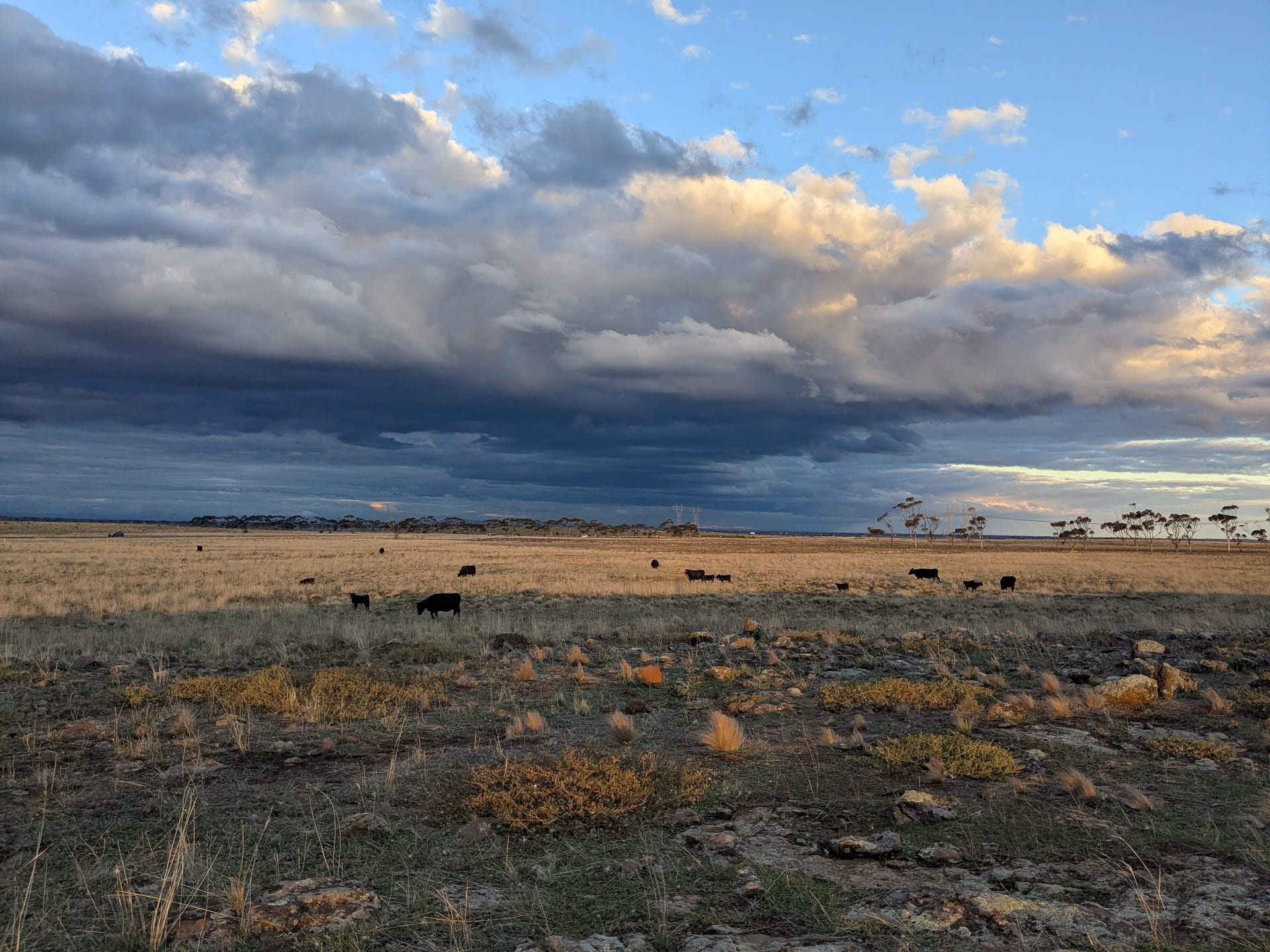
Conservation grazing has been introduced, with cattle used at selected times of year to reduce vegetation
This work helps native species persist. The vulnerable Golden Sun Moth loves inter-tussock space and bare ground to breed, while the Plains-wanderer needs open, carefully managed grasslands.
As weeds are controlled and burning expands, restoration works have also grown. About 35 hectares of degraded grassland have been re-seeded with native grasses, including Kangaroo Grass, Red-leg Grass, Wallaby Grasses, Spear Grasses and Silky Bluegrass.
Jayden says rangers have also begun scattering native wildflower seed these last few months, and over the course of two Springs, about 50,000 native wildflowers and grasses have been planted into higher-quality grasslands where wildflowers had been lost through past land use.
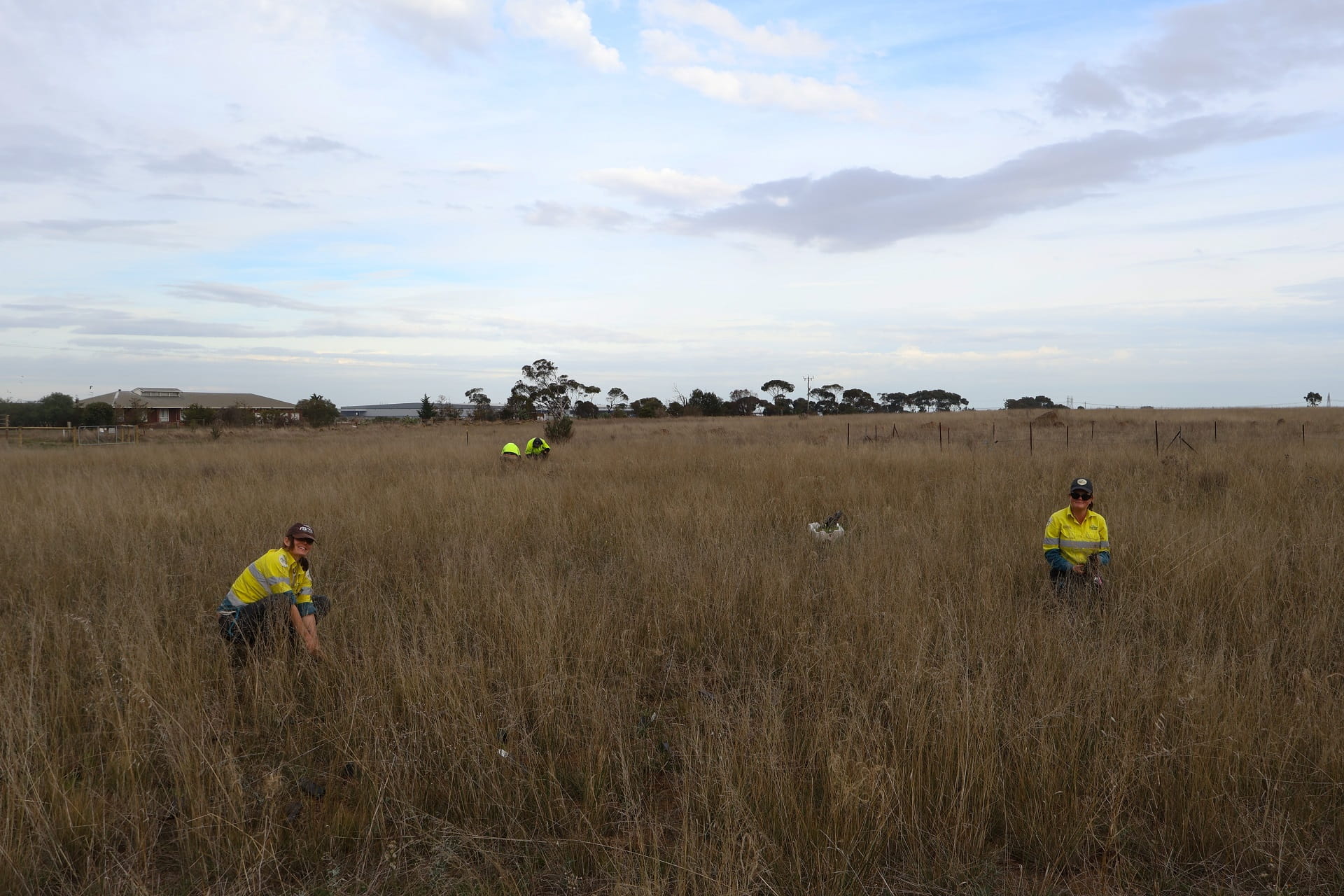
Around 3,000 Large-headed Groundsel and 3,000 Button Wrinklewort plants have been grown at local western Melbourne nurseries and planted in the reserve
Threatened species are responding
For rangers, the clearest sign of hope is the return of threatened species across the reserve. Around 3,000 Large-headed Groundsel and 3,000 Button Wrinklewort plants have been grown at local western Melbourne nurseries and planted in the reserve.
This winter, Spiny Rice-flower had a rare mass recruitment event, with new plants emerging across the reserve. Rangers believe this reflects the combined benefits of ecological burning, weed control and favourable seasonal conditions.
Threatened wildlife is also being recorded.Striped Legless Lizards continue to be detected across the reserve, while Fat-tailed Dunnarts have been recorded for the first time in 15 years — another encouraging sign that the grassland ecosystem is recovering.
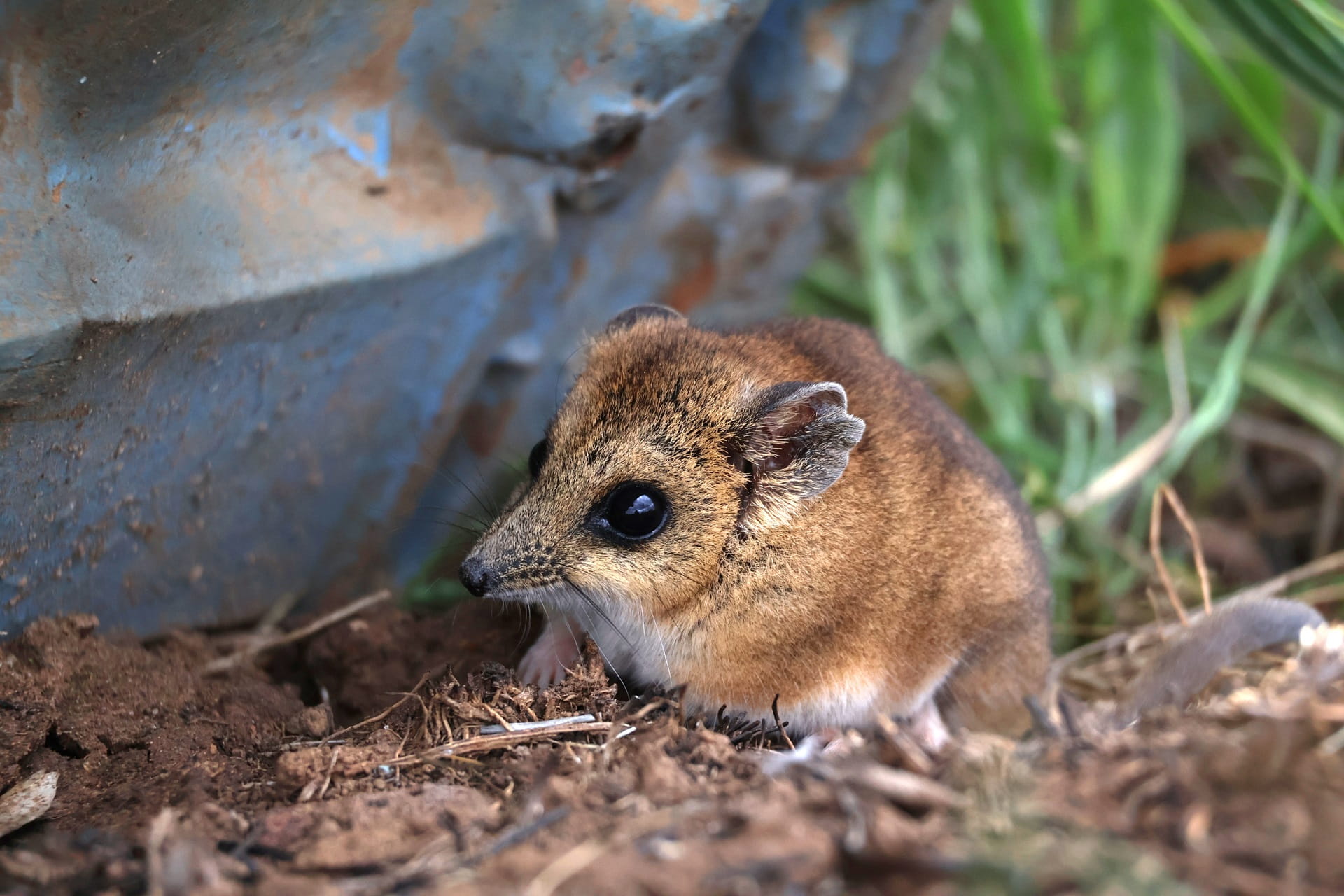
A Fat-tailed Dunnart in the Western Grasslands Reserve. It's the first time in 15 years they have been recorded in the area — another encouraging sign that the grassland ecosystem is recovering
A rare bird brings powerful hope
One of the most exciting discoveries has been the detection of the Plains-wanderer on Parks Victoria-managed land within the Western Grasslands Reserve for the first time.
The Plains-wanderer is the last surviving member of an ancient lineage, with no living relatives in its genus or family, anywhere on Earth. This means that if the species goes extinct, an entire branch of bird evolution – spanning millions of years – would disappear with it.
The nationally significant bird had not been detected in western Melbourne for about 15 years before being recorded within the broader reserve footprint in 2024. Through collaborative works with Zoos Victoria, detections on Parks Victoria-managed land have now been verified from Western Grasslands Reserve sites in December 2025 and April 2026.
The calls were picked up by bioacoustics recorders in grasslands that had been ecologically burnt in autumn 2025. For rangers, the discovery is a powerful reminder that restoring the right conditions can give even the rarest species a chance to return and persist.

A Plains-wanderer brooding young. For rangers, the bird's presence in the grasslands is a powerful reminder that restoring the right conditions can give even the rarest species a chance to return and persist. Image credit: Mark Antos
Protecting a rare landscape for the future
The Western Grasslands Reserve is a long-term conservation project. Its success depends on steady, science-based management and strong partnerships with Traditional Owners, government agencies, local communities, contractors and conservation organisations.
As the reserve grows, Parks Victoria will continue working to restore native grasslands, protect threatened species and care for one of Victoria's most important natural landscapes.
The Western Grasslands Reserve is part of the Melbourne Strategic Assessment program.


