
Key Facts:
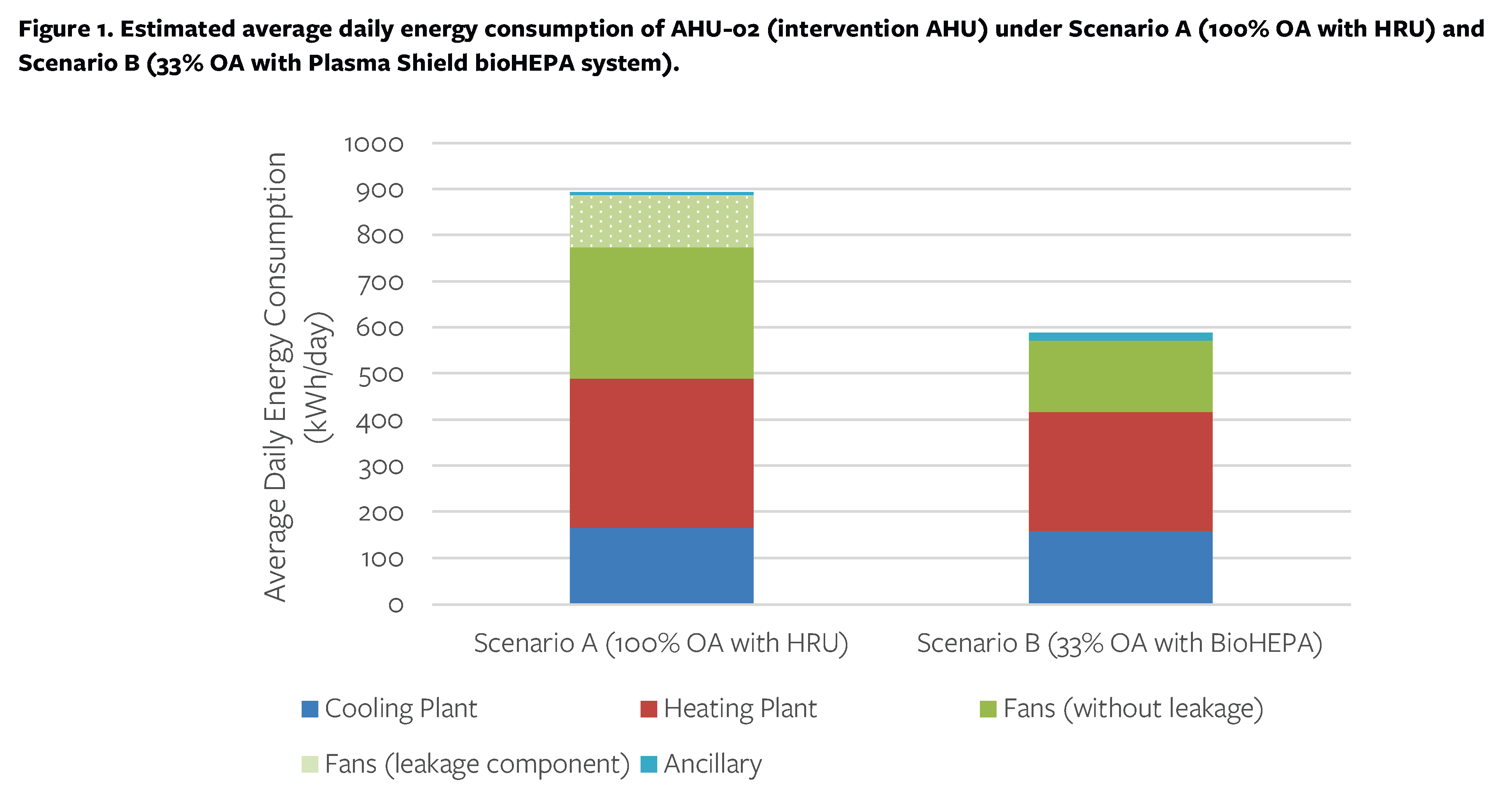
- Trial at Echuca Regional Hospital demonstrated a 34% energy reduction while maintaining pandemic-level air quality, even during bushfire conditions
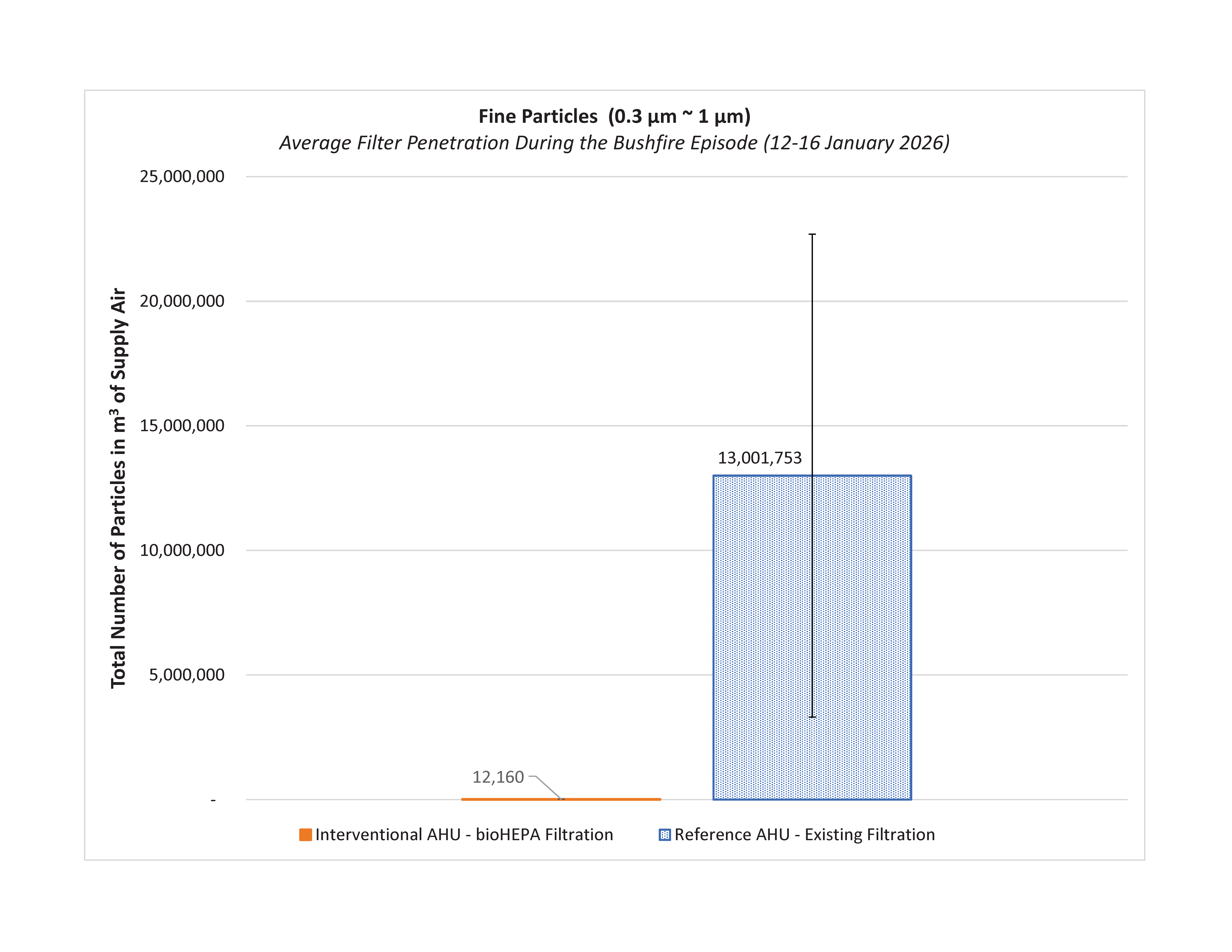
- New bioHEPA air treatment system reduced particle counts from 4.4 million to less than 5,000 in hospital air
- System achieved a 1,000-fold reduction in contaminants compared to conventional filtration during real world bushfire event
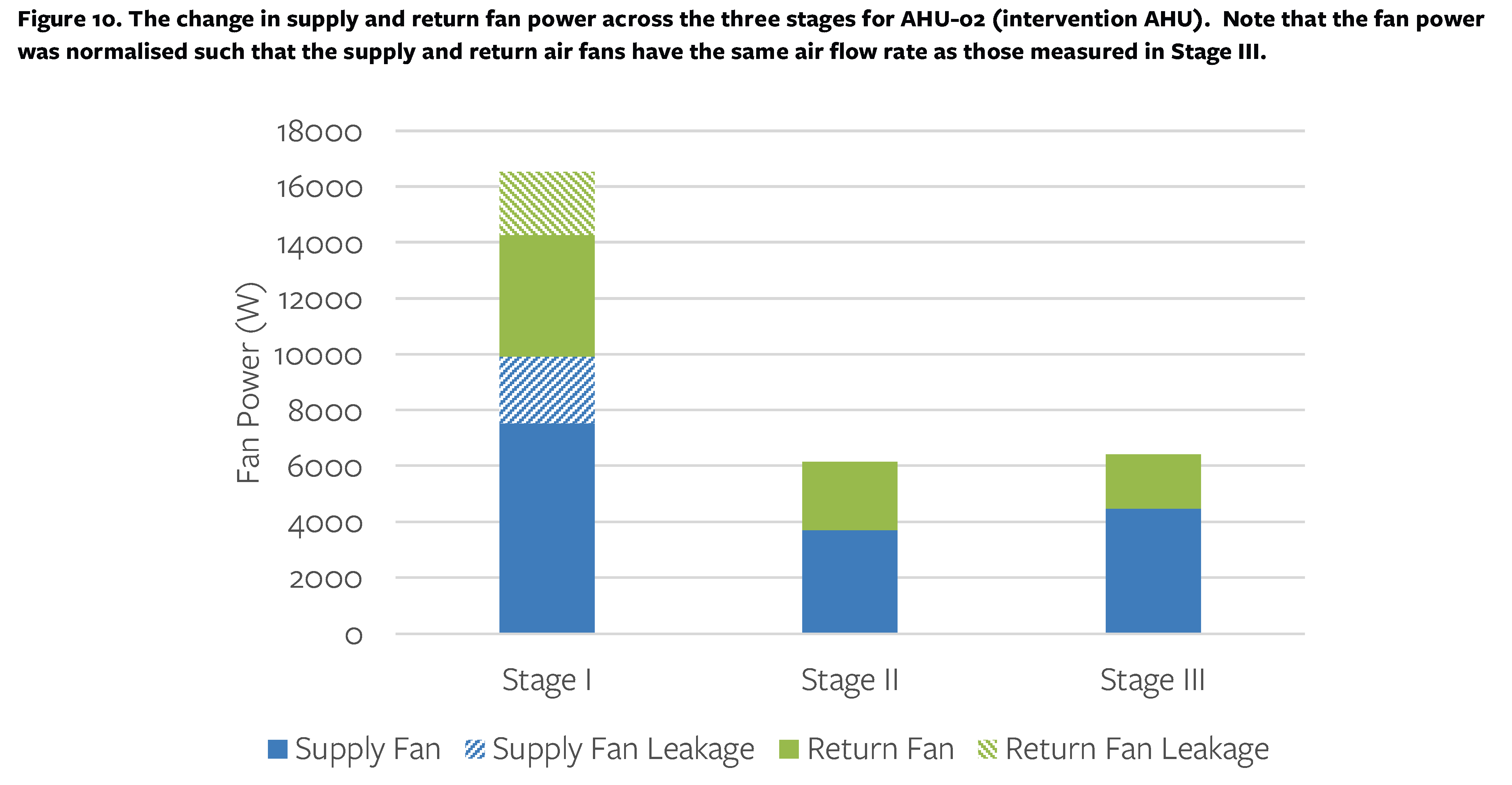
- Energy savings were primarily achieved through lower fan power and reduced heating demand
- Results have broader implications for other building types, including offices, schools and public facilities
A real-world hospital trial in northern Victoria has demonstrated that pandemic mode air quality can be provided for 34 per cent less energy - even during prolonged bushfire smoke conditions.
The findings come from a RACE for 2030–funded research project at Echuca Regional Health, conducted during the January 2026 bushfires when smoke persisted across the region for several days and outdoor air quality deteriorated sharply.
System-level implications
The project, Sustainable Solutions for Pandemic and Bushfire Resilience in Healthcare Facilities, is led by researchers from Adelaide University in partnership with Echuca Regional Health and Australian clean-tech company Plasma Shield Ltd, with funding from the Victorian Health Building Authority and RACE for 2030.
Tosh Szatow, Business Innovation & Policy Lead at RACE for 2030, said the results highlight an important opportunity for healthcare infrastructure.
"This project shows we can reduce hospital energy use while protecting indoor air quality, all with Australian made technology that remains robust through bush fire events. That is a critical insight for urban and regional hospitals facing rising energy costs and more frequent smoke threat through summer."
The energy impact
For pandemic mode, Hospitals typically rely on high volumes of outdoor air to manage infection risk. However, this approach can significantly increase fan energy and cooling demand, particularly during extreme weather events.
Energy modelling based on real operating data from two side-by-side air handling units showed that the alternative system - operating with reduced outdoor air supported by a bioHEPA air treatment medical device - used 34 per cent less total energy than a full outdoor-air operation.
The reduction was largely driven by lower fan power and reduced heating demand.
The Chief Investigator for the project, Dr Tim Lau from Adelaide University's School of Electrical and Mechanical Engineering, said:
"Traditionally, building operators have faced a trade-off between energy consumption and indoor air quality. Early findings from this project indicate that advanced air filtration systems can improve air quality while also lowering the energy requirements of air conditioning systems."
Improving air quality for patients and staff
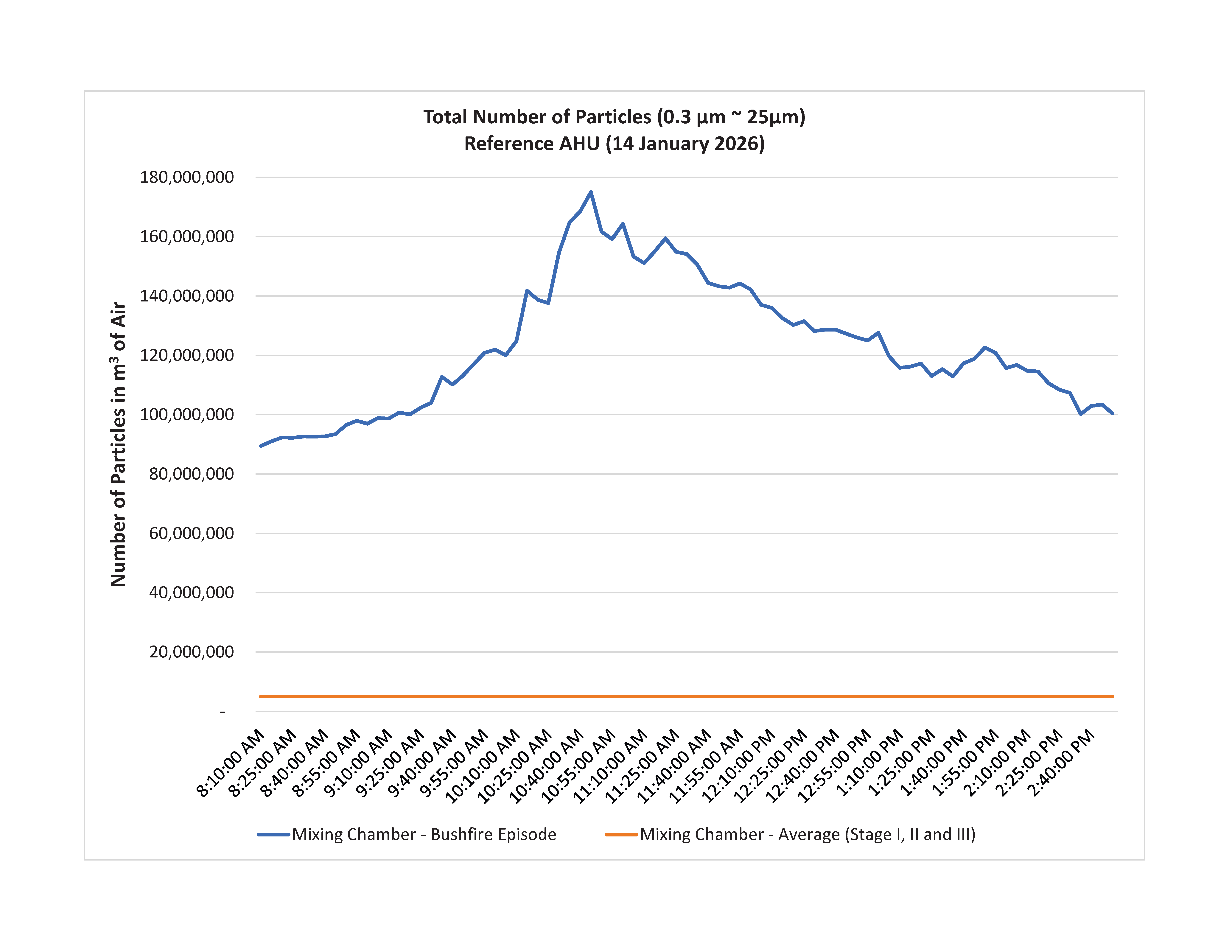
Importantly, the energy savings did not lower the air quality – rather, the number of particles in each cubic metre of supply air reduced from a peak of 4.4 million to less than 5,000.
CEO of Echuca Regional Health, Carol-Anne Lever said
"Echuca Regional Health was delighted to be involved in such an innovative project.
As a regional health service, we understand the challenges and importance of air quality for maintaining safe and comfortable environments for patients and staff.
This research helps demonstrate how hospitals can adapt ventilation strategies to protect indoor air quality while also reducing energy use."
Bushfire smoke and hospitals
The regional Victorian site often deals with the impact of bushfire smoke. Crucially, the findings were maintained during the January 2026 bushfires in the region.
During the bushfire smoke period, particle levels in incoming outdoor air increased by up to 30-fold. Despite this, air supplied to the hospital ward using the alternative system remained consistently clean.
In fact, the findings noted a 1,000x drop in the level of contaminants via bioHEPA, compared with other wards using conventional filtration approaches.
Professor Dino Pisaniello from Adelaide University's School of Public Health said the real-world context strengthens the findings.
"What makes these results compelling is that performance was measured during a prolonged bushfire smoke event in an operating hospital, not under laboratory conditions. That provides confidence in how these systems perform when they are most needed."
The CEO of Plasma Shield Ltd, Ben Gill, the Australian clean-tech company who designs and manufacturers the bioHEPA device used in the trial, said the findings point to opportunities for a rethink of ventilation strategy.
"We now know that any hospital in Australia can make any patient ward a pandemic proof space, without increasing their energy burden. That is a vital tool for healthcare designers and practitioners."
Broader relevance
Although conducted in a healthcare setting, researchers say the underlying challenge — maintaining safe indoor air while reducing reliance on energy-intensive outdoor air — is increasingly relevant to other building types, including commercial offices, schools and public facilities.
Energy and air quality monitoring will continue across multiple seasons throughout 2026.
About us:
About RACE for 2030
Reliable, Affordable Clean Energy for 2030 (RACE for 2030) is an innovative cooperative research centre for energy and carbon transition. It is funded with $68.5 million of Commonwealth funds and commitments of $280 million of cash and in-kind contributions from partners. racefor2030.com.auAbout Adelaide University
Adelaide University is Australia's new university for the future ranked in the global top 100. With more than 180 years of collective experience and achievement, Adelaide University will leverage the capabilities and resources of its foundation institutions to launch bright futures and breakthroughs.
About Echuca Regional Health
Echuca Regional Health (ERH) provides services on Yorta Yorta Country for people who live, work and play in Northern Victoria and Southern New South Wales. Our community, which is vibrant and growing, includes approximately 52,000 people living on both sides of the state border.
About Plasma Shield Ltd
Plasma Shield is an Australian clean-tech company developing air-decontamination technology that helps hospitals and commercial facilities improve air quality while reducing energy use and emissions.


