
"We are dying silently. Without knowing it, our mothers are feeding their babies with breast milk contaminated by mercury."
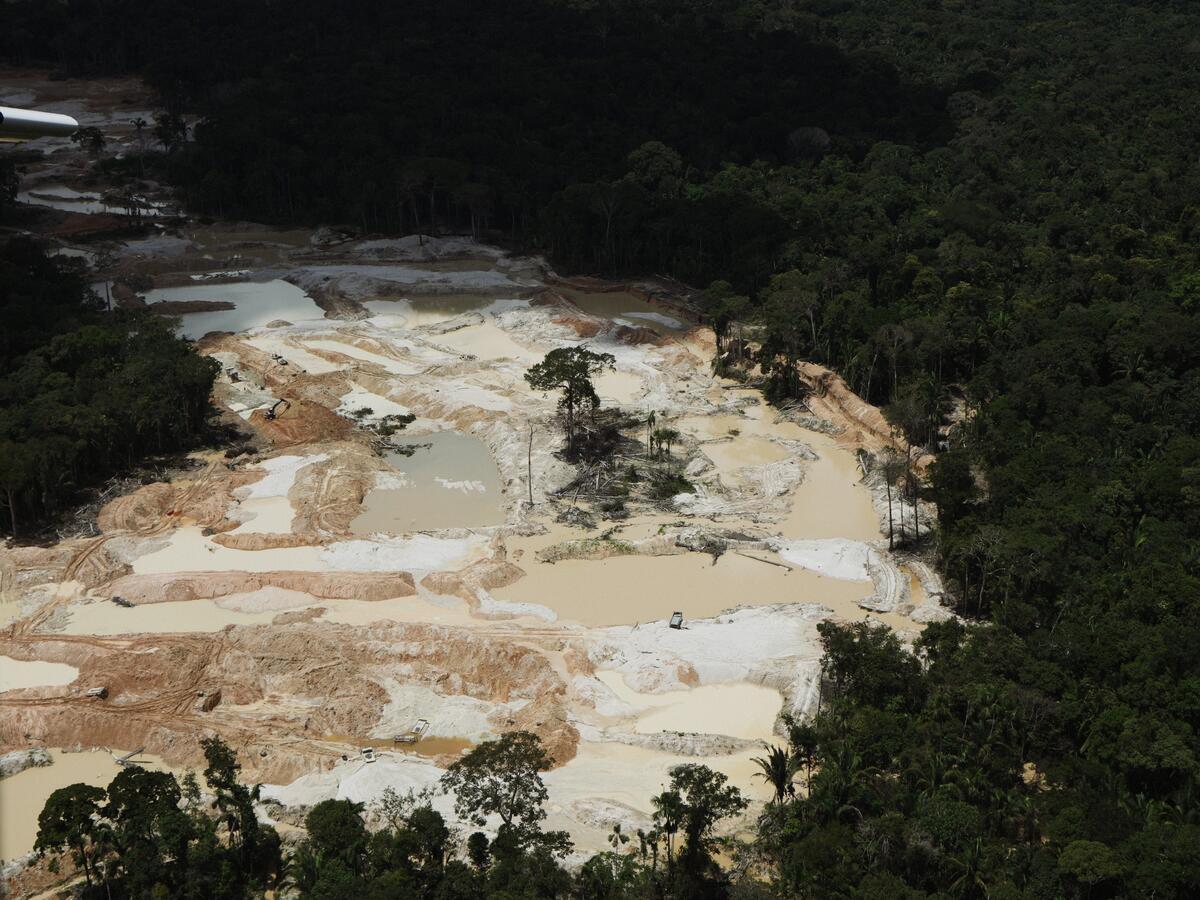
Standing before representatives of the Dutch government, Alessandra Korap Munduruku described a reality that rarely reaches ministerial offices in Europe. While the price of gold rises and the world debates trade, investment and global supply chains, Indigenous communities in the Amazon live every day with the impacts of expanding soy production, cattle ranching and illegal gold mining: contaminated rivers, destroyed forests, violence and a public health crisis that threatens entire generations.

Alessandra's testimony was one of dozens shared by Indigenous leaders from the Brazilian Amazon during The True Cost of Gold tour, organized by Greenpeace Brazil. Over ten days, Alessandra Korap Munduruku, from the Munduruku people; Megaron Txucarramãe and Beptuk Metuktire, from the Kayapó people; traveled across France, the Netherlands and Belgium, bringing firsthand accounts of the threats facing their territories and ways of life directly to governments, parliamentarians and international institutions. During the first leg of the tour in France, the delegation also included Juma Xipaia, from the Xipaya people, who helped amplify the voices and demands of Amazonian Indigenous Peoples in key political and public forums.
The delegation's message was clear: while international markets continue to consume and profit from gold, soy and other commodities linked to forest destruction, Indigenous Peoples continue to bear the real costs of this exploitation. Decisions that affect the Amazon cannot continue to be made without listening to those who have protected these territories for millenia.
"Many companies enter the forest saying they are searching for wealth. But what kind of wealth is that?" asked Chief Megaron Txucarramãe during the tour. "For Indigenous Peoples, wealth means food, health and peace."
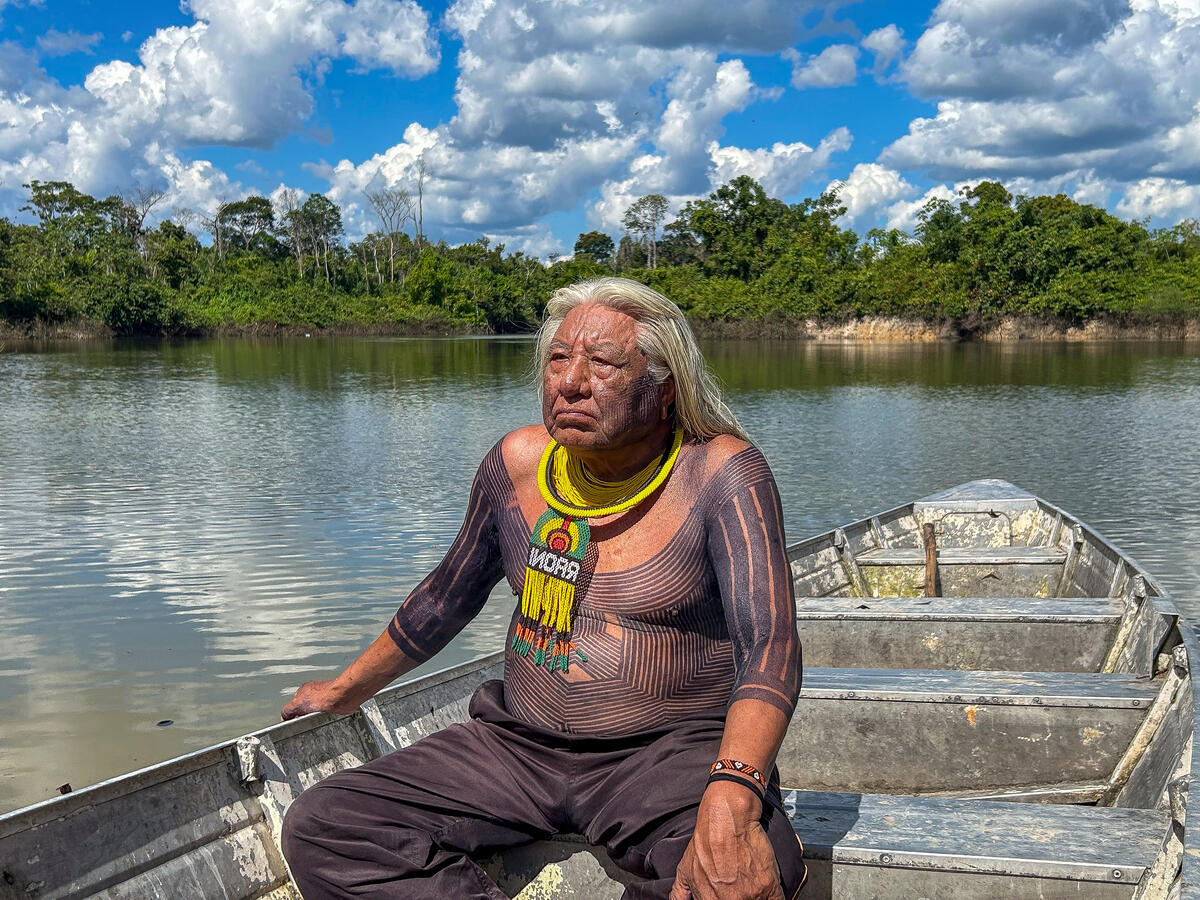
The tour took place just days after the release of Greenpeace Brazil's investigation, Gold Laundering in the Amazon: Anatomy of a Fraud, which revealed how regulatory loopholes allow gold extracted illegally from Indigenous Territories and protected areas to be laundered and sold as if it were legally sourced, eventually entering global supply chains and international markets.
But the message brought to Europe went far beyond the cost of gold.
Bringing Amazon Voices into Decision-Making Spaces
Throughout the tour, Indigenous leaders met with civil society organisations, journalists, supporters, policymakers and Indigenous representatives from other territories. Among the highlights were a series of high-level meetings with government officials and international institutions.
One of the most significant moments took place in the Netherlands during a meeting with Minister of Nature and Agriculture Jaimi van Essen.
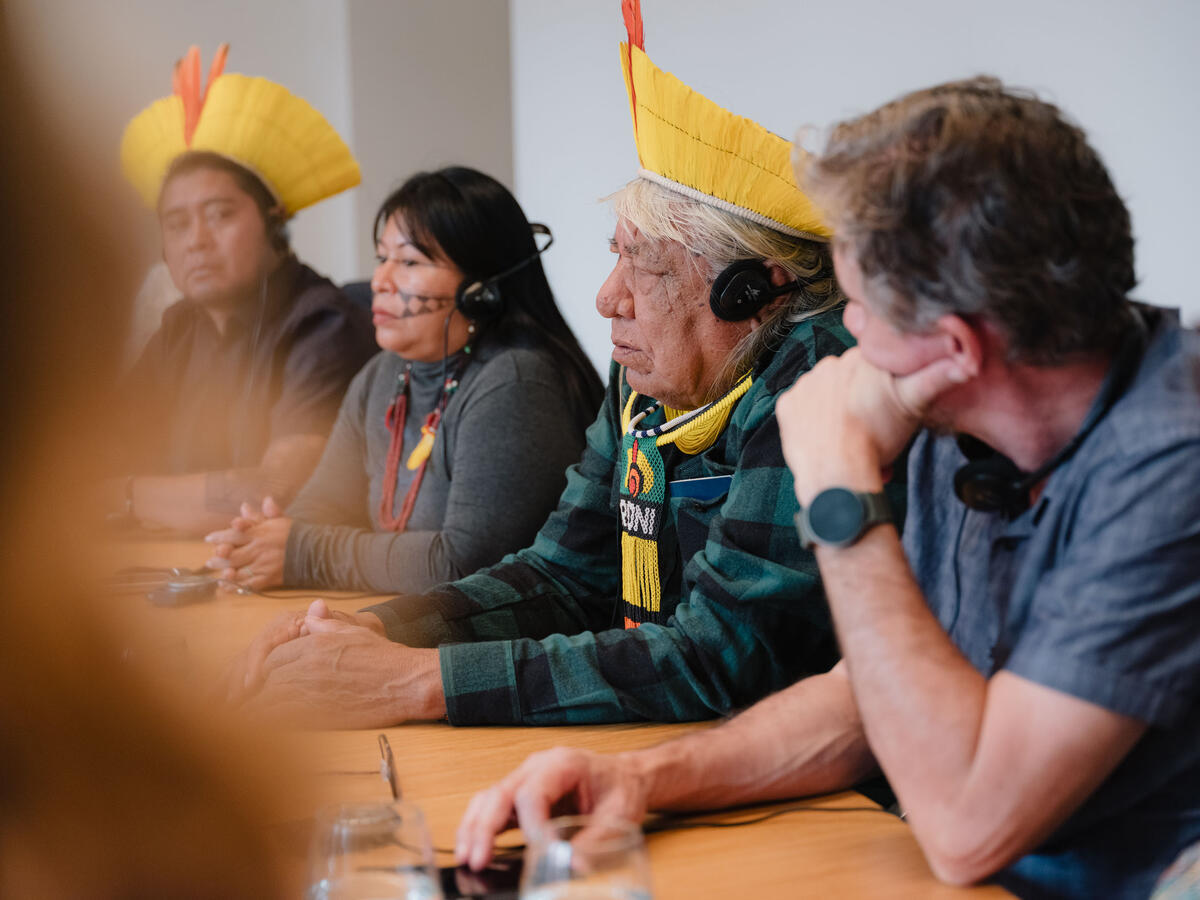
During the discussion, Indigenous leaders highlighted the impacts of expanding infrastructure linked to agribusiness in the Amazon, particularly the Arco Norte project, a vast network of railways, ports and waterways designed to facilitate commodity exports such as soy. The delegation also drew attention to the role that Europe, and the Netherlands with its giant port of Rotterdam in particular, plays in global supply chains and the need to reduce the pressure that current production, consumption and trade patterns place on Indigenous territories.
The conversation also addressed the Convention on Biological Diversity (CBD) and the importance of recognising and protecting Indigenous territories as a fundamental strategy for achieving the global biodiversity target to protect 30% of land and sea by 2030. The meeting was marked by constructive dialogue and an acknowledgment by the Dutch government of the crucial role Indigenous rights play in nature protection.
The minister and his staff confirmed their commitment to protecting Indigenous Peoples' rights in the CBD process and said they will bring these concerns to the next negotiations in autumn, while also acknowledging the relevance of the Netherlands and the EU in the context of agribusiness.
In France, another key moment was a meeting with representatives from the office of the Ministry for Ecological Transition, Biodiversity, Forests, the Sea and Fisheries. The discussion with diplomatic adviser Gabriel Normand and his team provided an opportunity to present directly to French policymakers the impacts of illegal mining and other destructive activities affecting Indigenous territories in the Amazon.
The French agenda also included a meeting with Barbara Pompili, France's Ambassador for the Environment, and her team. In addition, the delegation met with members of the France-Brazil Friendship Group in the French National Assembly, expanding dialogue around international responsibility, supply chain accountability and the urgent need to strengthen protections for Indigenous Peoples and their territories.
A Global Struggle for a Shared Future
Throughout the tour, Indigenous leaders emphasised that decisions made in parliaments, ministries, financial institutions and consumer markets around the world have direct consequences for forests and the people who depend on them.
At the same time, they demonstrated that solutions to many of today's environmental crises already exist. They can be found in Indigenous territories, in forest-based economies that keep ecosystems standing, and in communities that have cared for land, water and biodiversity for generations.
The message from the Indigenous leaders is clear: protecting Indigenous rights is not only a matter of justice. It is one of the most effective ways to protect tropical forests, tackle the climate crisis and secure a livable future for all.
Meet the Indigenous Leaders
Juma Xipaia
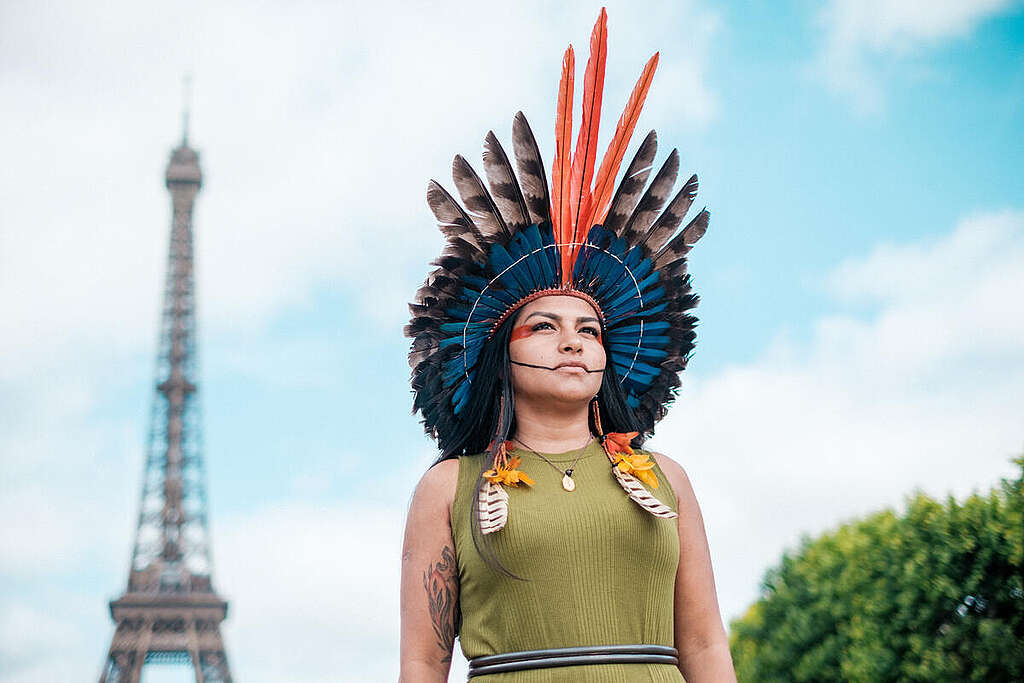
Juma is one of the most prominent Indigenous leaders in the Amazon and a powerful advocate for Indigenous rights, environmental protection and gender equality. She became the first woman Chief in the Middle Xingu at the age of 24, leading the Xipaya Tukamã village. In 2020, she founded Instituto Juma, dedicated to environmental conservation, Indigenous self-determination and women's empowerment. Due to her opposition to illegal mining and criminal activities in the Amazon, she survived multiple assassination attempts and spent a period in exile in Switzerland. Her story is featured in the acclaimed documentary Yanuni (2025), executive produced by Leonardo DiCaprio.
Megaron Txucarramãe
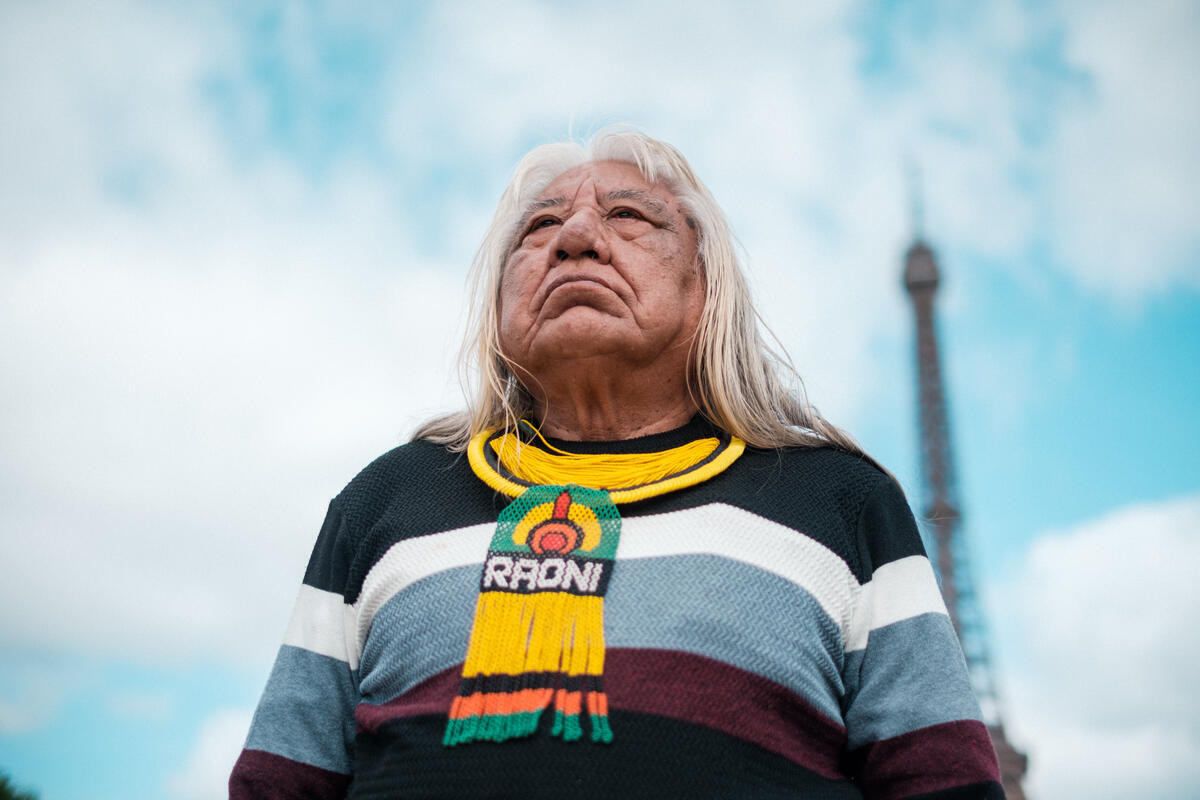
Megaron is a renowned Indigenous leader, environmentalist and key figure in Brazil's Indigenous rights movement. A member of the Kayapó (Mẽbêngôkre) people and the nephew and designated successor of Chief Raoni Metuktire, he has spent decades defending Indigenous territories, forests and constitutional rights.
Beptuk Metuktire
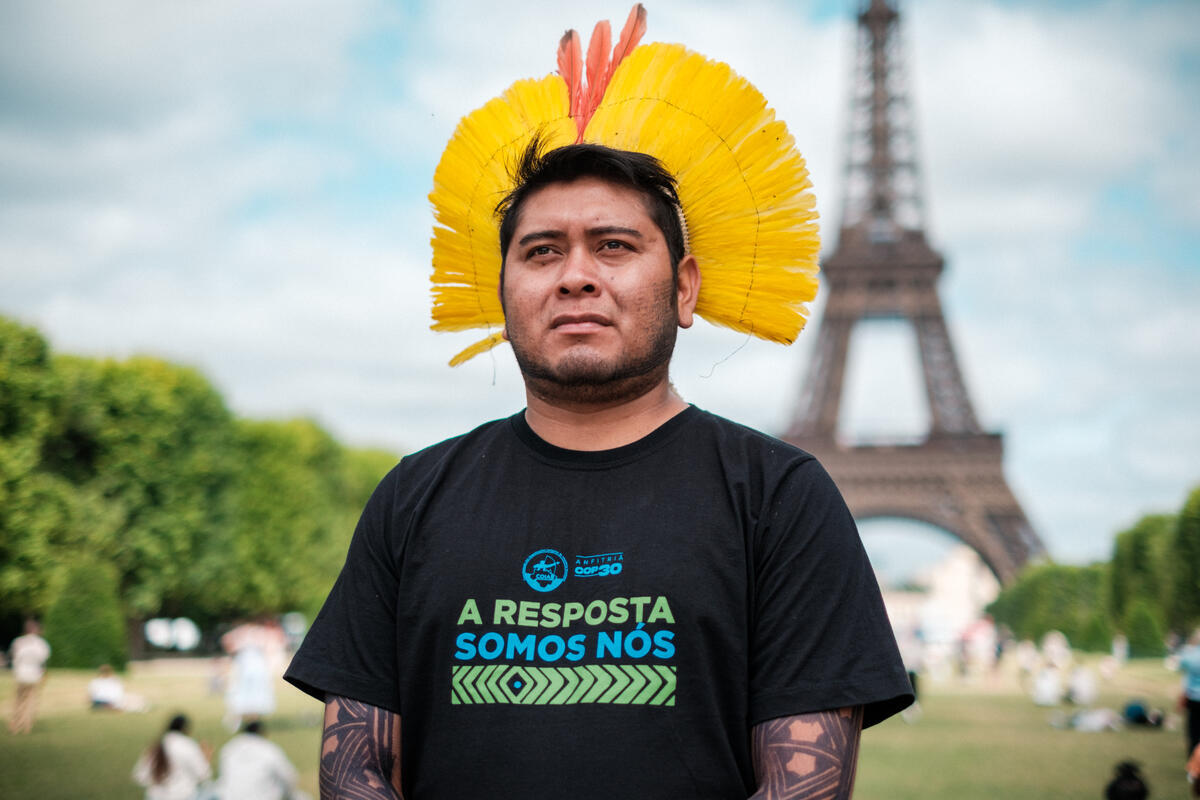
Beptuk is an emerging Indigenous leader from the Kayapó (Mẽbêngôkre) people and a coordinator at Instituto Raoni. As the grandson of Chief Raoni Metuktire, he represents a new generation of Indigenous leadership, combining traditional knowledge with contemporary advocacy.
Alessandra Korap Munduruku
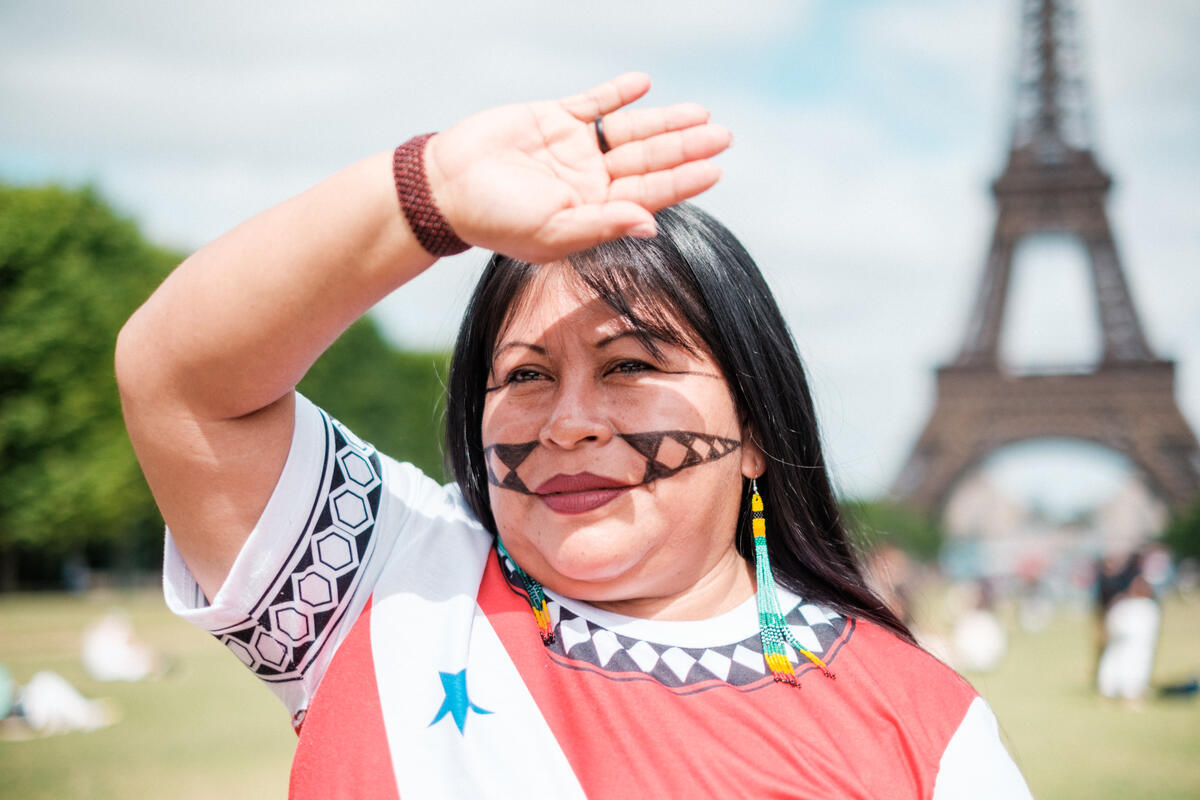
Alessandra is an internationally recognized Indigenous activist whose advocacy has helped bring global attention to the impacts of illegal mining, logging and infrastructure projects in the Amazon. Her campaigning contributed to Anglo American's withdrawal from mining projects overlapping the Sawré Muybu Indigenous Territory in 2021. In recognition of her leadership, she received the 2023 Goldman Environmental Prize. Today, she is a prominent voice in international debates on climate justice, biodiversity and the future of the Amazon.
Indigenous Peoples and local communities are the best guardians of the Amazon and other forests around the world, and must be recognised as such. Greenpeace is calling on world leaders to stop the industrial destruction and recognise Indigenous Peoples' territories and rights.

Jaqueline Sordi is the Communications and Engagement Lead for the Tropical Forests campaign at Greenpeace International.


