
After a spinal cord injury, cells in the brain and spinal cord change to cope with stress and repair tissue. A new study from Karolinska Institutet, published in Nature Neuroscience, shows that this response is controlled by specific DNA sequences. This knowledge could help develop more targeted treatments.
When the central nervous system is damaged - for example, in a spinal cord injury - many cells become reactive. This means they change their function and activate genes that protect and repair tissue. However, how this process is regulated has long been unclear.
Researchers at Karolinska Institutet have now mapped thousands of so-called enhancers; small DNA sequences that act like "switches" for genes, turning them on or boosting their activity. By analysing individual cell nuclei from mice with spinal cord injuries using AI models, the researchers discovered that these genetic switches are activated after injury and instruct specific cell types to respond. The main cells affected were glial cells such as astrocytes and ependymal cells - support cells that help protect and repair the nervous system.
New opportunities for precision treatments
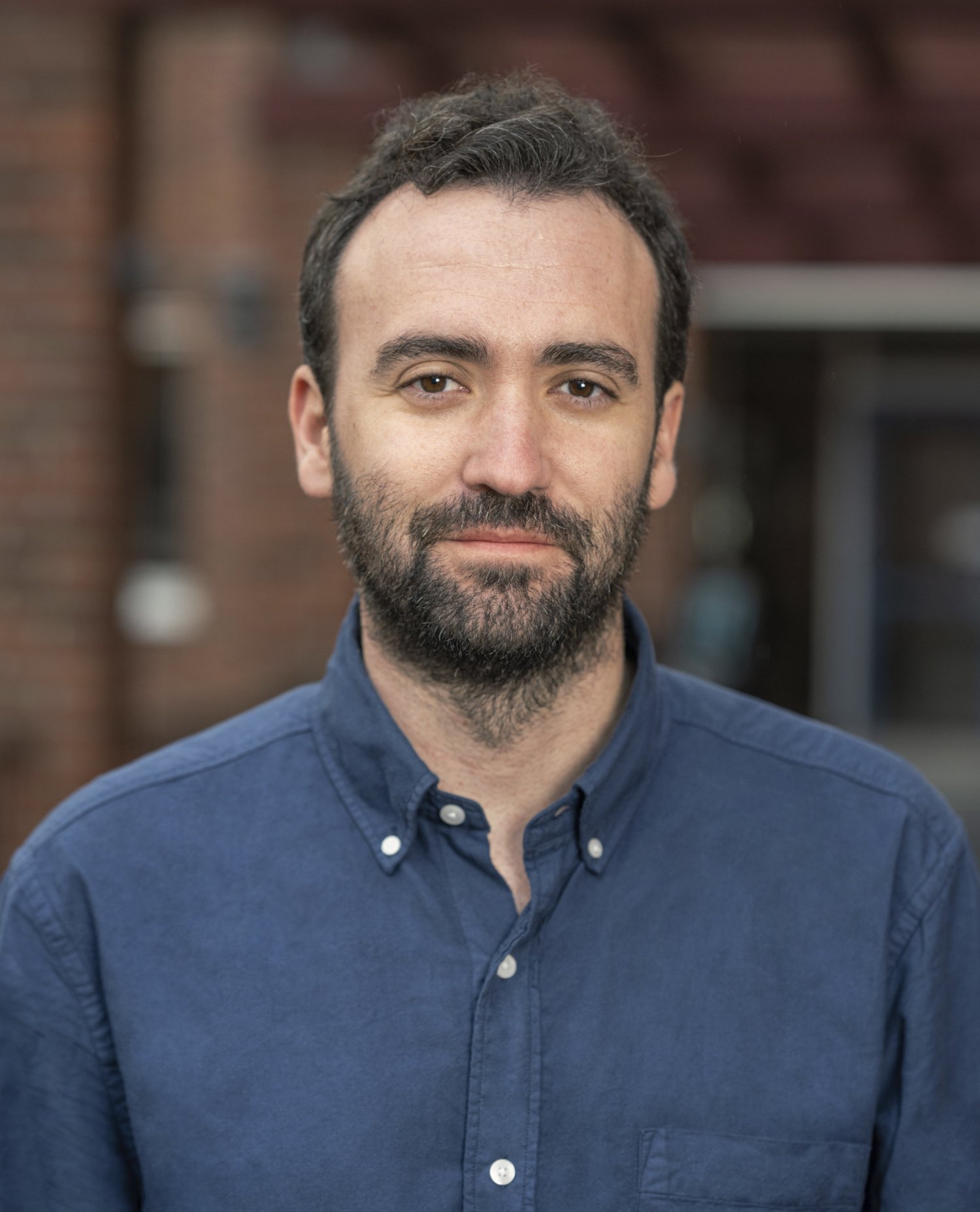
"We have shown how cells read these instructions through a code that tells them how to react to injury. This code combines signals from general stress factors with the cell's own identity," explains Enric Llorens-Bobadilla , researcher at the Department of Cell and Molecular Biology at Karolinska Institutet.

"This opens up the possibility of using the code to target treatments specifically to the cells affected by the injury," says Margherita Zamboni , researcher at the same department and first author of the study.
The study is a collaboration between researchers at Karolinska Institutet and SciLifeLab, supported by the European Research Council (ERC), the Swedish Research Council, and the Swedish Foundation for Strategic Research. Some researchers have reported consultancy roles and patent applications related to the technology.
Publication
" The regulatory code of injury-responsive enhancers enables precision cell-state targeting in the CNS. " Margherita Zamboni, Adrián Martínez Martín, Gabriel Rydholm, Timm Häneke, Laura Pintado Almeida, Deniz Secilmis, Christoph Ziegenhain & Enric Llorens-Bobadilla, Nature Neuroscience, online 2 December 2025, doi: 10.1038/s41593-025-02131-w.


