
Why do some people, though not all, develop several long-term illnesses and functional impairments as they get older? A new research project at Karolinska Institutet aims to find answers by looking at ageing as a connected whole, rather than a set of separate diseases.
KI Researcher Davide Liborio Vetrano at the Aging Research Center (ARC) , Department of Neurobiology, Care Sciences and Society , has been awarded a Consolidator Grant from Karolinska Institutet. The five-year grant will support research into ageing, multimorbidity and the biological processes behind declining health in later life.
Looking beyond single diseases
As people live longer, it is becoming more common to live with several chronic conditions at the same time, often combined with reduced physical or mental function. The new project, "Chasing the complex architecture of aging: integrating systems biology, epidemiology, and intervention simulation for healthspan extension (CHASE‑H)", sets out to better understand why this happens.
Instead of focusing on one illness at a time, the researchers will study how different parts of the ageing process are linked. This includes biological changes in the body, the development of chronic diseases, and changes in physical and cognitive ability.
To do this, the project will combine blood‑based biological markers with detailed health data and information on physical and mental function. The research is based on long‑term population studies from Sweden and the United States, including SNAC‑Kungsholmen, SNAC‑Nordanstig, and the Baltimore Longitudinal Study of Aging.
Using advanced statistical methods and computer simulations, the researchers will explore which biological processes are most closely linked to unhealthy ageing. They will also test, in theory, how lifestyle changes or treatments might slow disease development and help people stay independent for longer.
Support to build long‑term research
The grant totals 6 MSEK over five years and covers both salary and research costs. According to Davide Liborio Vetrano, the funding makes it possible to bring together different research approaches into one programme.
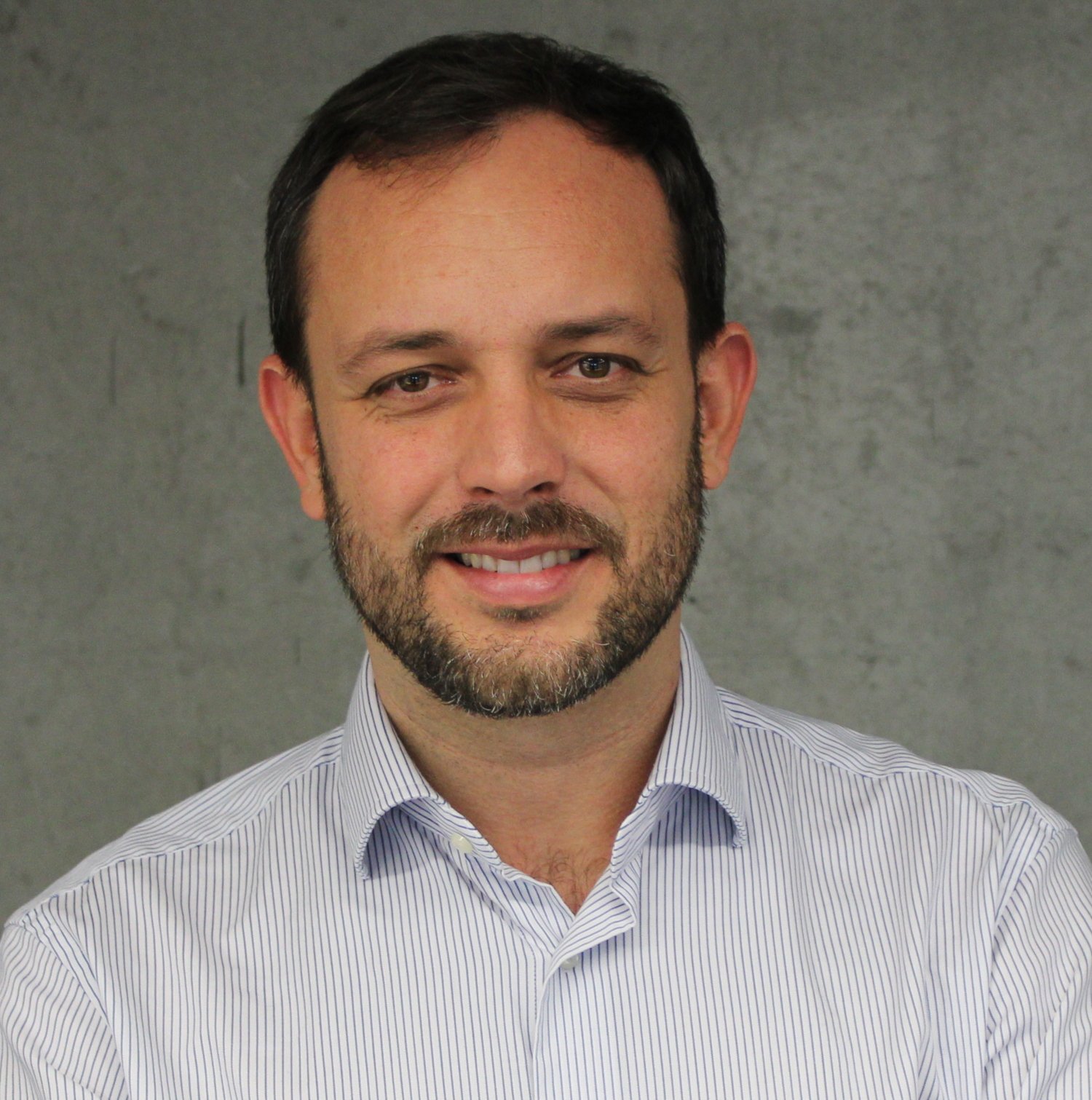
"This grant represents a major step forward in consolidating my research line on multimorbidity and aging within a translational geroscience framework," says Davide Liborio Vetrano. He continues:
"It allows us to bring together epidemiology, biology and computer modelling to better understand how ageing affects health over time".
The project will also use the National E‑infrastructure for Aging Research (NEAR) and includes collaboration with the unit of Affinity Proteomics Stockholm , SciLifeLab.


