What does an anthro-ethnologist and zoonotic virologists have in common? In the case of those who attended the Nordic Universities Health Crises Network's two-day meeting at Karolinska Institutet (KI) in April, the common denominator was that they work in areas that connects research and policy, with a special focus on crisis. The meeting explored how universities can remain relevant during crises and strengthen societal engagement, so that they can be a supportive partner to the rest of society
Universities possess a wealth of expertise and knowledge that can be used to support the surrounding society when it comes to building preparedness for, and offer ongoing assistance in, a health crisis. Examples of how universities done this have been seen in many crises, not least during the COVID-19-pandemic. That statement is the basis for the Nordic Health Crises University Network 's activities. The network was founded in early 2025, thanks to a grant from NordForsk. It is coordinated by the Centre for Health Crises at KI and consists of project partners from five other Nordic universities.
Communication identified as a key factor for success
Early on the network identified the need for communication that is fit for purpose as an important aspect of being able to support and collaborate with the surrounding society before and during a crisis. To put it plainly, the network agreed that if expertise cannot be communicated to those who could benefit from it, it will not be able to be put to use. Hence, that became the topic for the network's two-day meeting called Reclaiming the narrative: How Universities Must Adapt for Relevance in Times of Crisis, that was held at KI 15-17 April.
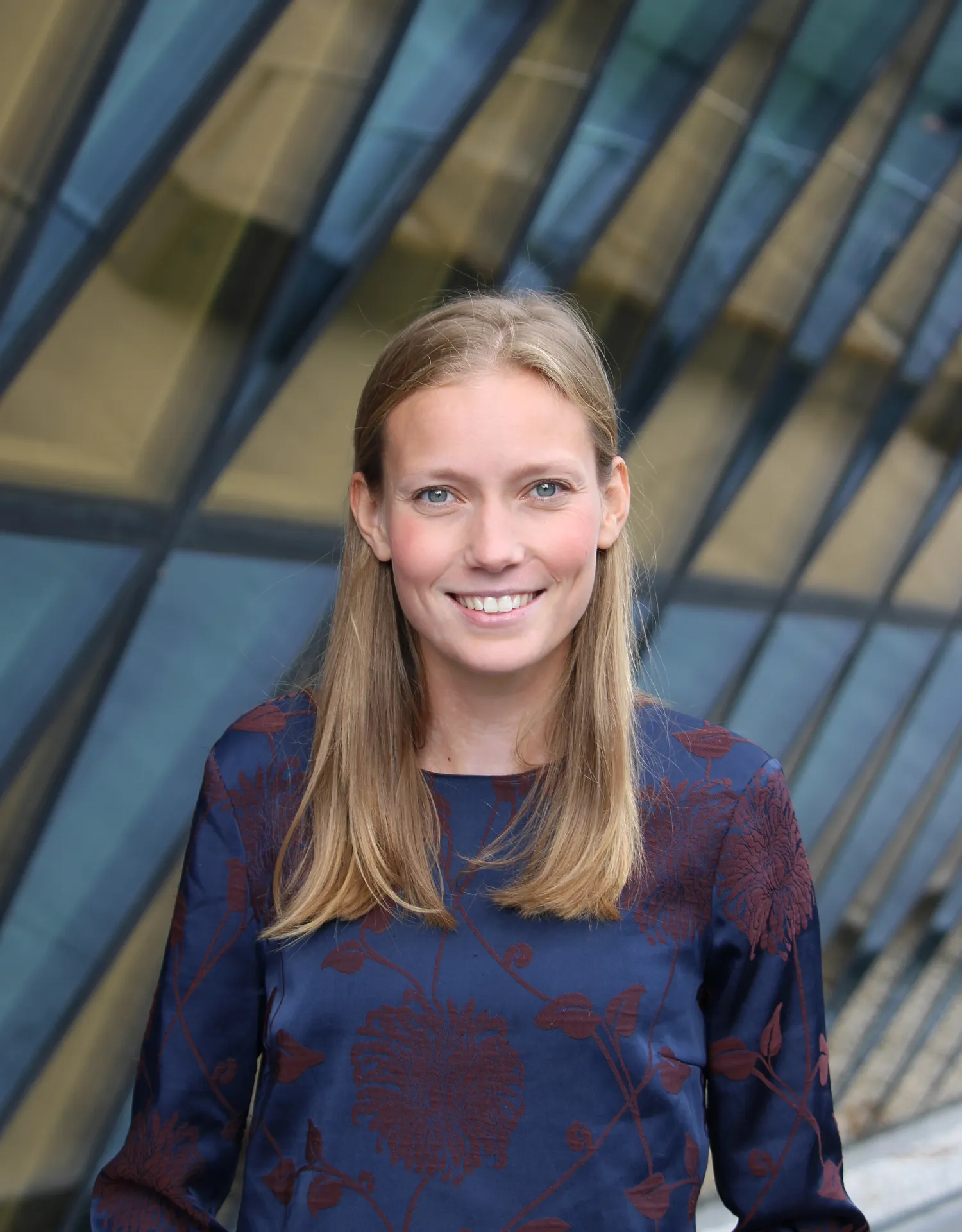
- When we met for our first project partner meeting last summer, we agreed that communication, especially strategically aimed communication with policy and decision-makers, was an area where researchers needed to, and in many cases wanted to, learn more about, says Caroline de Groat , collaboration coordinator at the Centre for Health Crises, who is the contact person for the network.
Interdisciplinary expertise reflects the needs in a crisis
During the meeting, the participants not only got a chance to exchange what they had learned based on their own experience of communication and science-to-policy dialogue and hear from people who have researched and worked with the topic. They also had a workshop with popular Norwegian science communicator and statistician Jo Røislien . The meeting concluded with three thematic discussions in which representatives from youth and student organisations, politicians and civil society organisation, shared what they would like from universities in times of crisis, and what they would like researchers to keep in mind when collaborating with them.
The 34 participants at the meeting had been identified by the network partners through a mapping they had conducted of researchers and research groups in their respective country that had played an active role in supporting and collaborating with the surrounding society during the COVID-19 pandemic, and that expressed a willingness to continue to do so in future crisis and as part of crisis preparedness. The result was a genuinely inter-disciplinary group of researchers, reflecting the wide range of expertise that is needed to help create resilience and response to a health crisis.
Part of an aim to strengthen Nordic preparedness
The two-day meeting was followed by a writing retreat where the project partners put together plans for publications, both academic and more policy oriented, based on what had been covered during the meeting.
- We are very pleased with the success of the meeting, that key individuals from across the Nordics attended and shared their experience. We believe that was a learning opportunity for us all and we look forward to use what came up during the meeting in the network's work going forward. Meetings such as this are crucial for us to realise the aim of the network; to help strengthen Nordic preparedness, resilience and capacity to respond to health crises, Caroline de Groot concludes.
In addition to the project partners' plans for publication, the network also has ongoing activities, such as PhD visits, and are planning upcoming meetings in Norway and Finland in the year to come. If you want to learn more about the network, please visit their website