
Disease management is a significant aspect of aquaculture which is a vital industry that is a significant food source. One of the most serious threats is a disease caused by the nervous necrosis virus (NNV) which can wipe out large populations of farmed fish and cause major economic losses in the aquaculture industry.
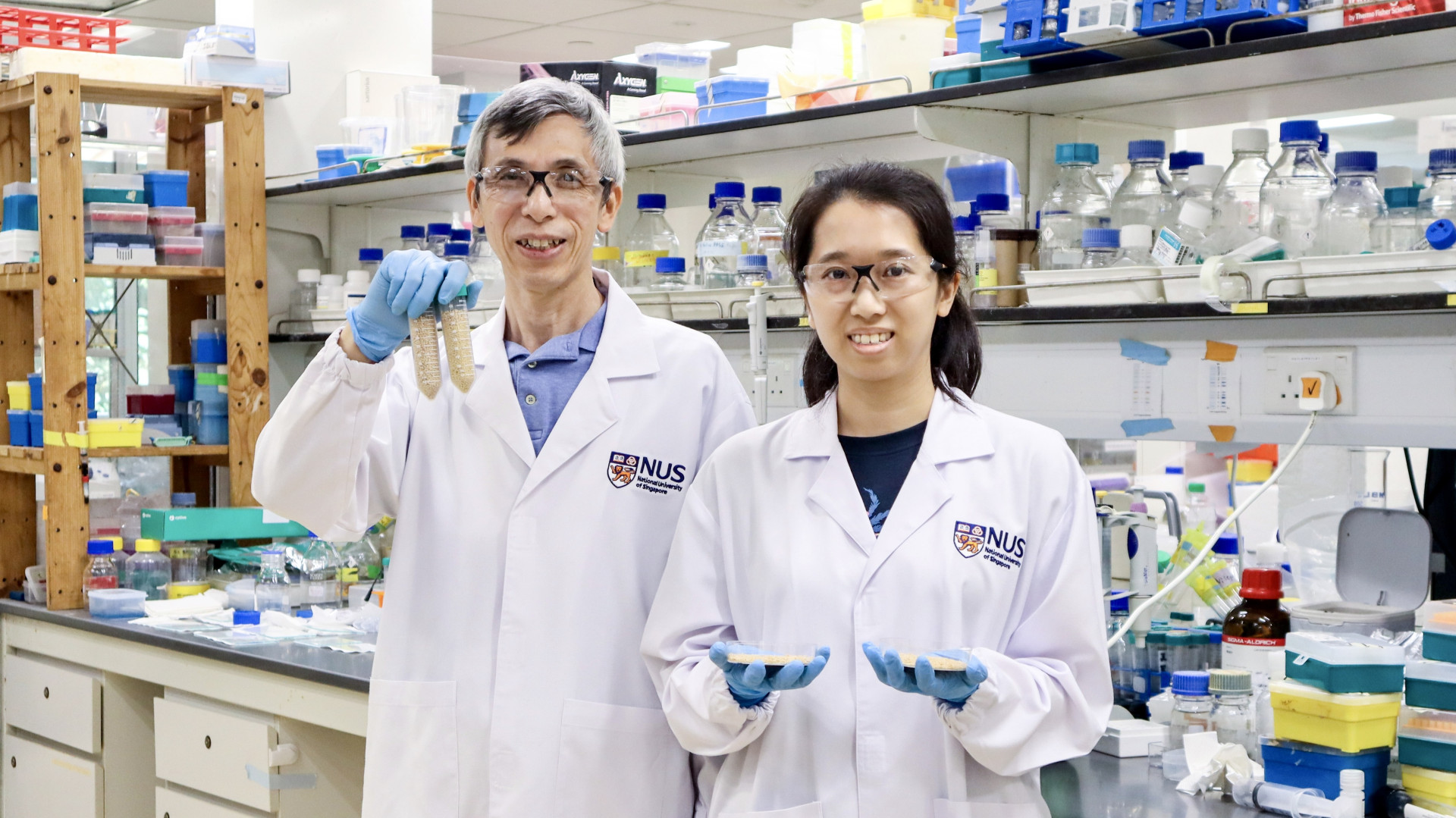
To strengthen the aquaculture industry, NUS scientists, together with researchers from the Temasek Life Sciences Laboratory, have developed a novel oral vaccine for fish that can protect them against NNV and be implemented in an effective, efficient and practical way to immunise large amounts of fish. The team was led by Professor Yang Daiwen from the Department of Biological Sciences at the NUS Faculty of Science and the research findings were published in the journal Fish & Shellfish Immunology on 5 January 2026.
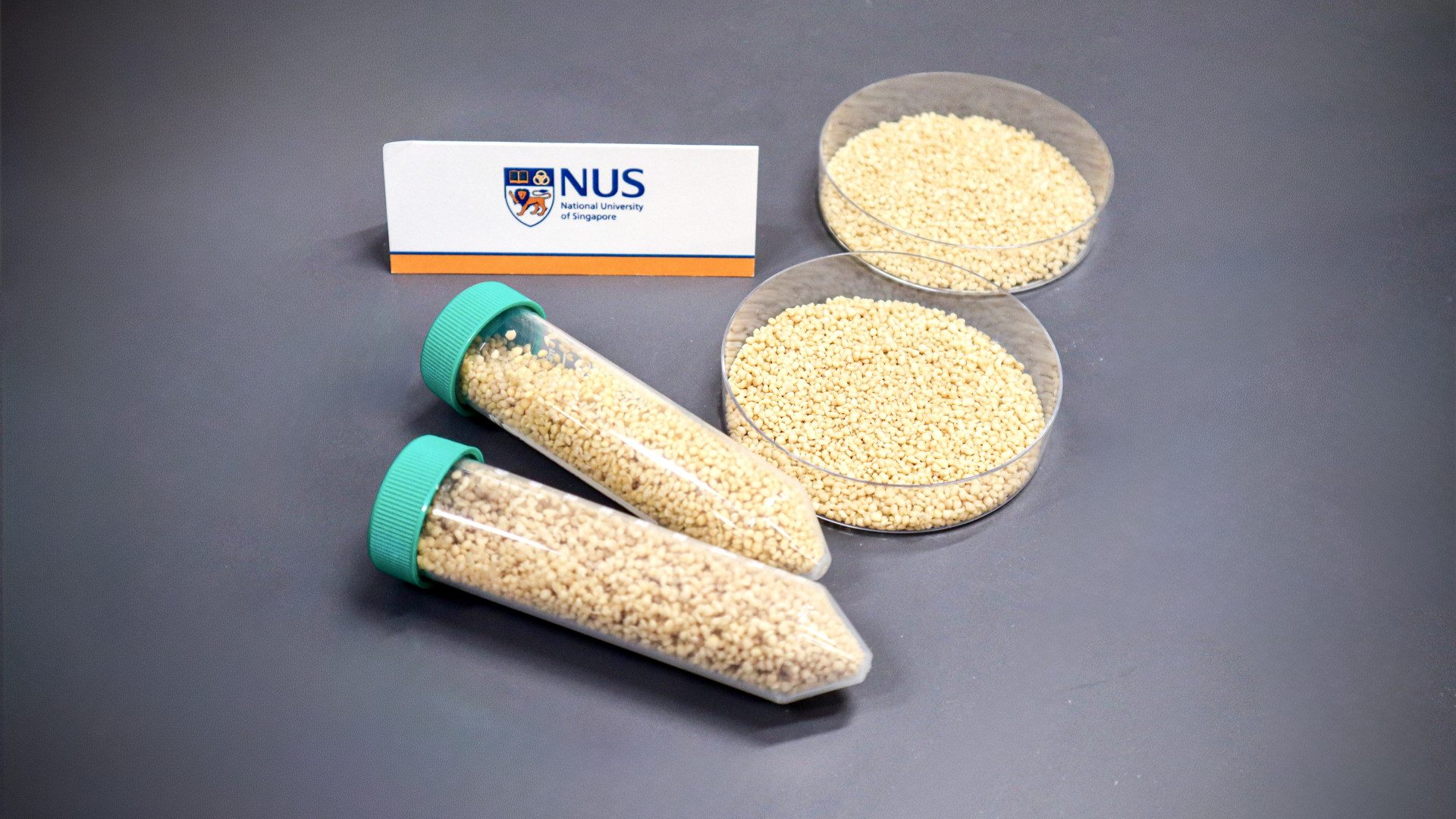
Traditional vaccination involves injecting fish individually which can cause fish to be stressed. It is also impractical to execute on a large scale, and unsuitable to be administered on fish larvae and fingerlings. Oral vaccinations can be mixed directly into fish feed, offering a more practical, labour efficient and cost-effective solution.
"Fish are particularly vulnerable in the larval and juvenile stages, with the disease having a near 100 per cent mortality rate in the larval stage. Moreover, the growth is reduced even if some fish survive. At present, there are no simple and effective treatments available for NNV infection, making prevention through vaccination the most promising strategy. Our novel discovery of a viable and effective delivery system to transport virus-like particles to enable fish to resist the effects of NNV addresses this pertinent issue," said Prof Yang.
Tackling a deadly virus in farmed fish
The novel vaccine is designed using two core biological components - one to train the fish's immune system and another to deliver the training module safely:
1. An "imposter" virus
The researchers used the NNV outer shell, known as the capsid protein, to create Virus-Like Particles (VLPs). The VLPs are hollow, non-infectious replicas of the virus. As the VLPs look identical to NNV externally, they trigger an immune response within the fish. However, they do not contain genetic material and are hence incapable of causing disease.
2. A delivery vehicle
The researchers needed a carrier to get the VLPs to the right place in the fish's body and chose Lactococcus lactis, a safe and well-understood bacterium. The VLPs were encapsulated inside the bacterial cells, which act as protective capsules. The capsule shields the VLPs as they travel through the fish's digestive system, ensuring they arrive in the gut where an immune response can be triggered.
A challenge for the scientists was finding the perfect formula for the bacterium-encased VLPs to be delivered successfully to and released in the gut. After trials with live and heat-treated Lactococcus lactis, the researchers found that inactivating the bacteria with sodium hypochlorite protected the VLP's structure and solubility within the bacteria, ensuring that it could be delivered effectively to the immune system.
The novel oral vaccine produced outstanding results as a method to protect fish against NNV. It induced two-times the levels of antibodies and neutralising antibodies - antibodies which bind to pathogens and prevent them from entering host cells - compared to feeding the fish purified VLPs directly which is also a much more expensive method.
The vaccine was also proven to reduce brain viral load by about 300 times after fish were exposed to NNV for seven days. This means the vaccine dramatically reduced the amount of virus replicating in the fish, effectively protecting them from the lethal effects of the disease.
Bringing research to real-world
The oral vaccine can be applied to economically important fish species such as grouper, and European and Asian seabass. The research team has filed three patents for this novel vaccine and plans to collaborate with industrial partners for field trials on grouper and other types of fish.


