
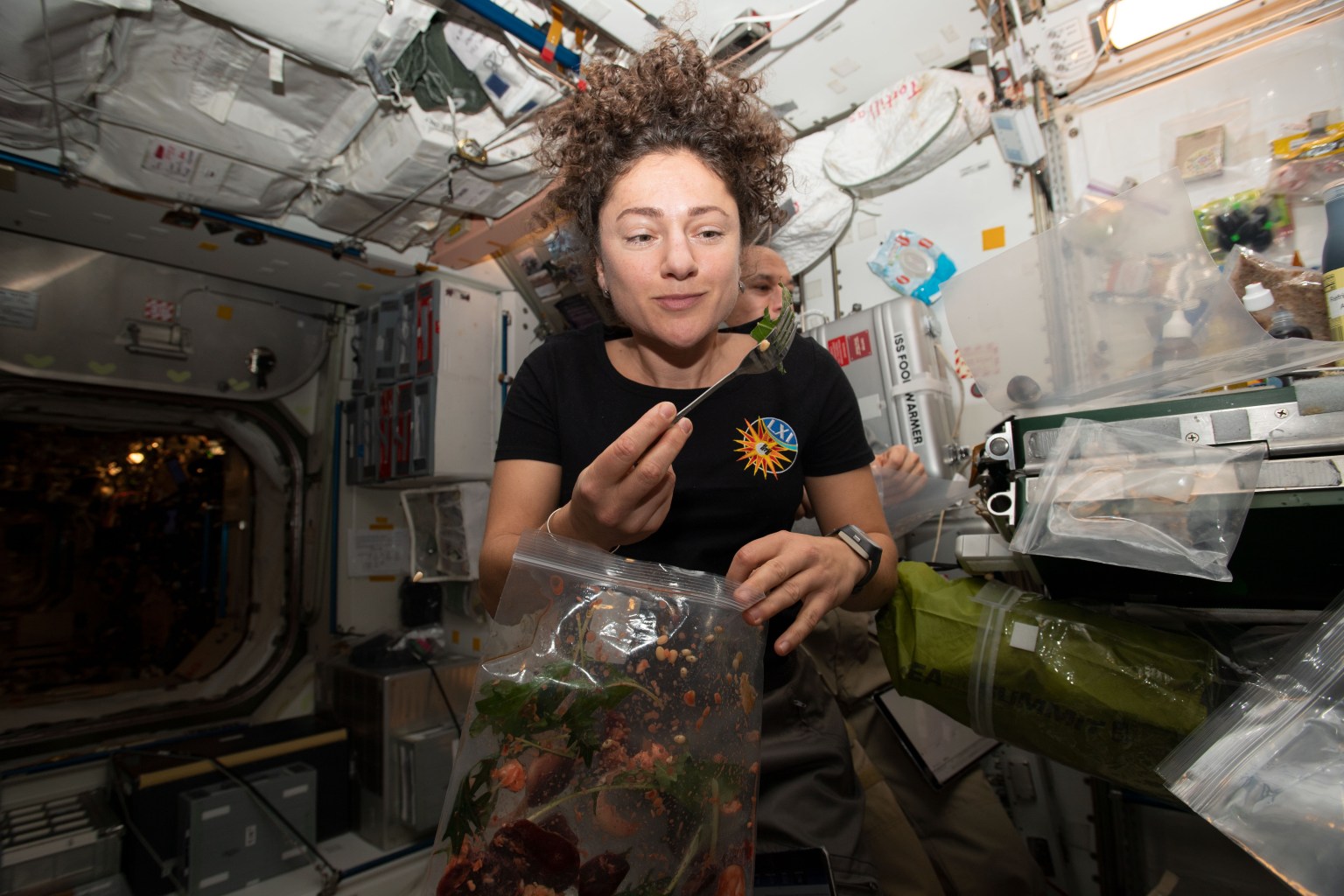
No matter how far humanity aims to travel or how ambitious the mission, nutrition will play a key role for the crew members on distant worlds. Before planning long-term stays on the Moon, Mars, and beyond, humans must learn to grow and care for plants and other sources of nutrition like algae to keep the explorers taking part in these adventures fed.
To solve this problem, NASA and its partners are conducting research aboard the International Space Station to better understand how the space environment affects nutrition-relevant organisms. Several investigations aboard Northrop Grumman's 24th commercial resupply mission for NASA support efforts to maintain crew diets as humanity ventures deeper into the cosmos.
Studying plant-microbe interactions
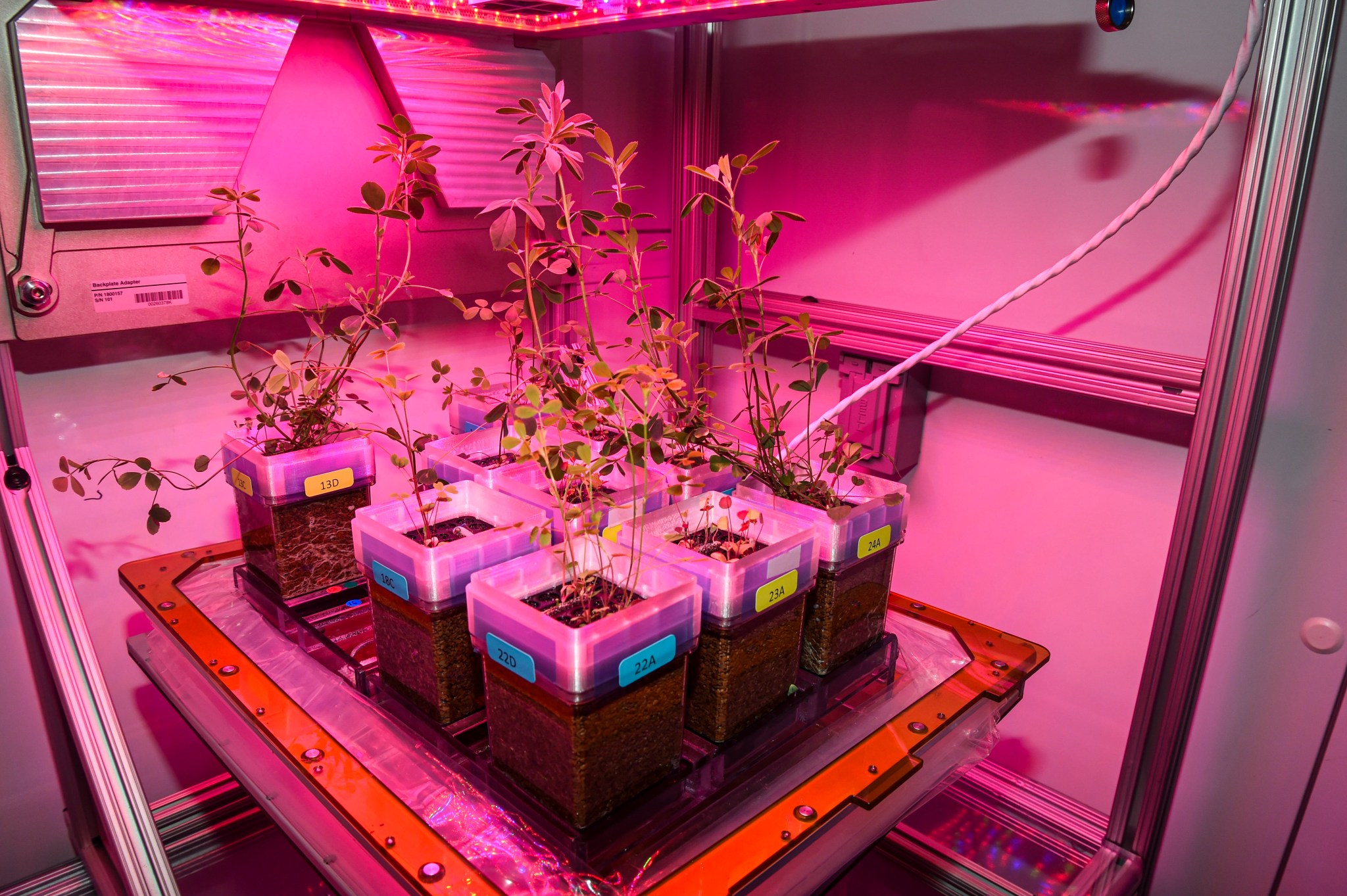
Certain plants have bacteria in their roots that can take nitrogen from the air and convert it into a form of food that plants can use for growth. NASA's Veg-06 studies alfalfa (Medicago sativa), a model organism, to determine how the plant interacts with this bacterium in space. This study also examines the effects of reduced lignin, which reinforces cell walls and helps plants to grow upright against gravity. In microgravity, plants may not need lignin, and reduced levels could allow plant parts to be more easily recycled, facilitating the growth of future plant generations.
Improved algae cultivation
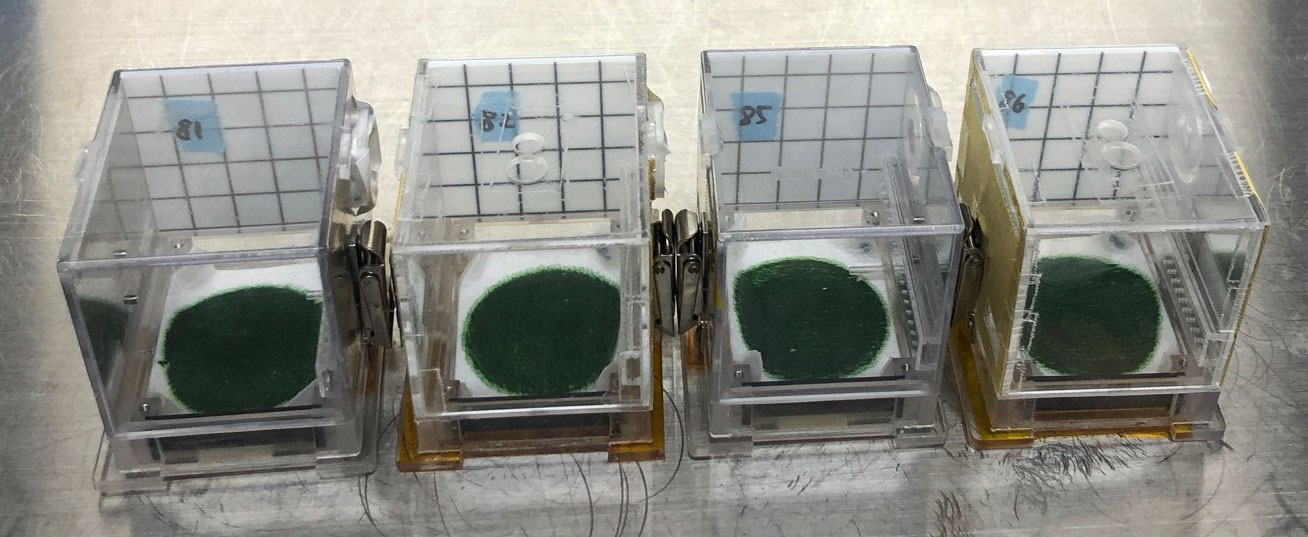
Other forms of nutrition that could support crew health include spirulina (Arthorospira), a type of algae high in protein, B vitamins, and antioxidants. Spirulina also has an added benefit of converting carbon dioxide into oxygen, helping replenish a crew's air supply. While spirulina is typically grown in water tanks, a JAXA (Japan Aerospace Exploration Agency) experiment called Space Surface Spirulina is testing a method to grow the algae on a thin-film surface. This method allows more efficient production of this high-protein food while conserving water and producing fresh oxygen aboard spacecraft.
Seed studies for better spaceflight plants
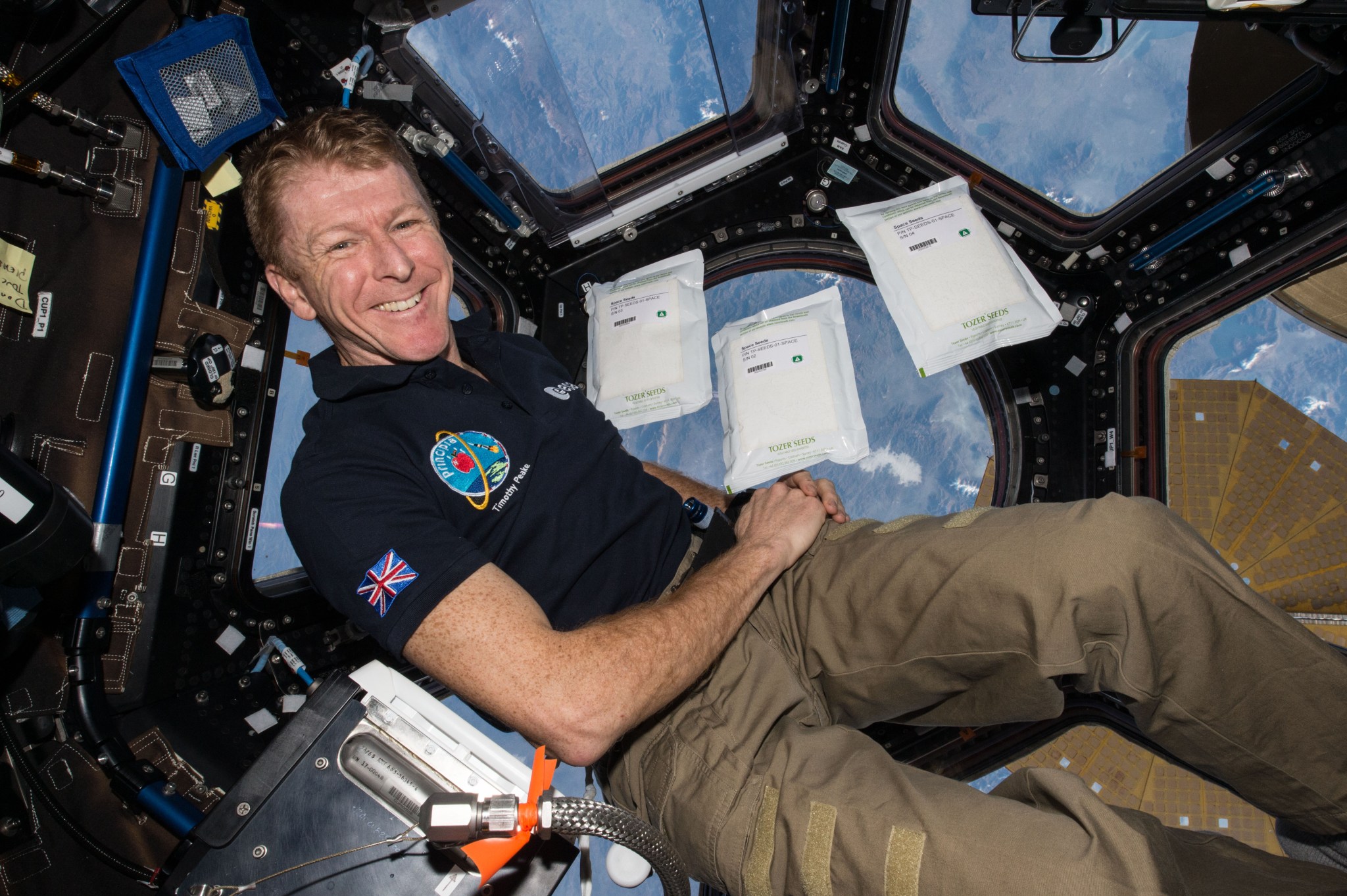
The ESA (European Space Agency) investigation Seed Vigour exposes seeds from several plant species to spaceflight conditions aboard the space station to determine if seed growth is affected. The research builds on a 2015 study


