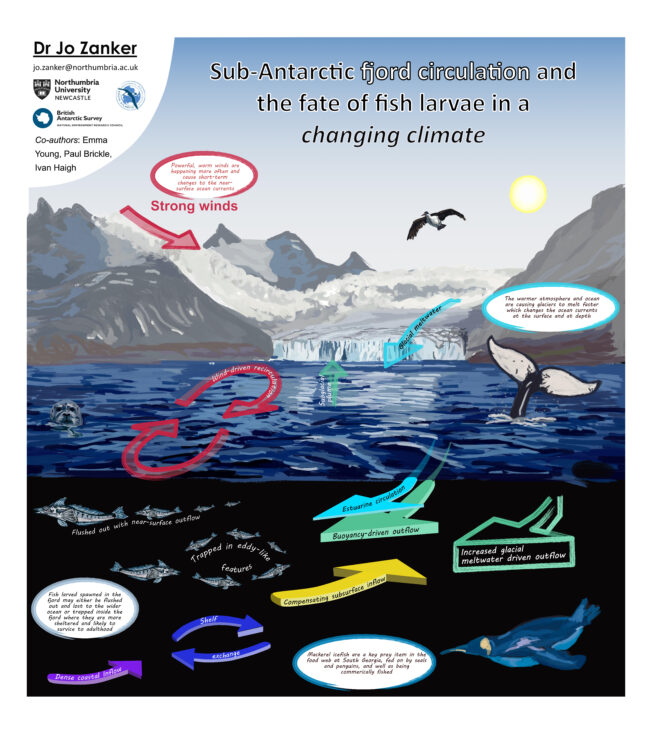
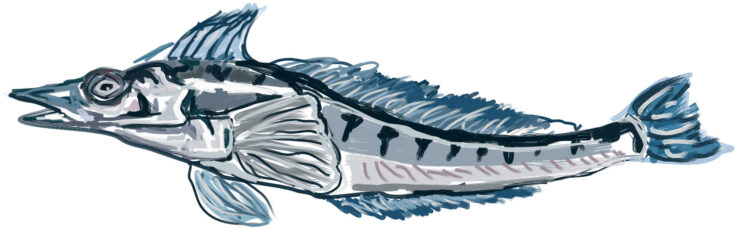
Scientists have uncovered how changing ocean currents in South Georgia's fjords could affect the survival of young mackerel icefish. The species is a key component of the island's rich marine ecosystem and is an important prey species for seals and penguins.
The research, led by Dr Joanna Zanker, as part of her PhD with British Antarctic Survey, is the first to reveal how currents in the sub-Antarctic island's largest fjord may respond to climate change, with significant implications for fish populations.
Changing ocean circulation
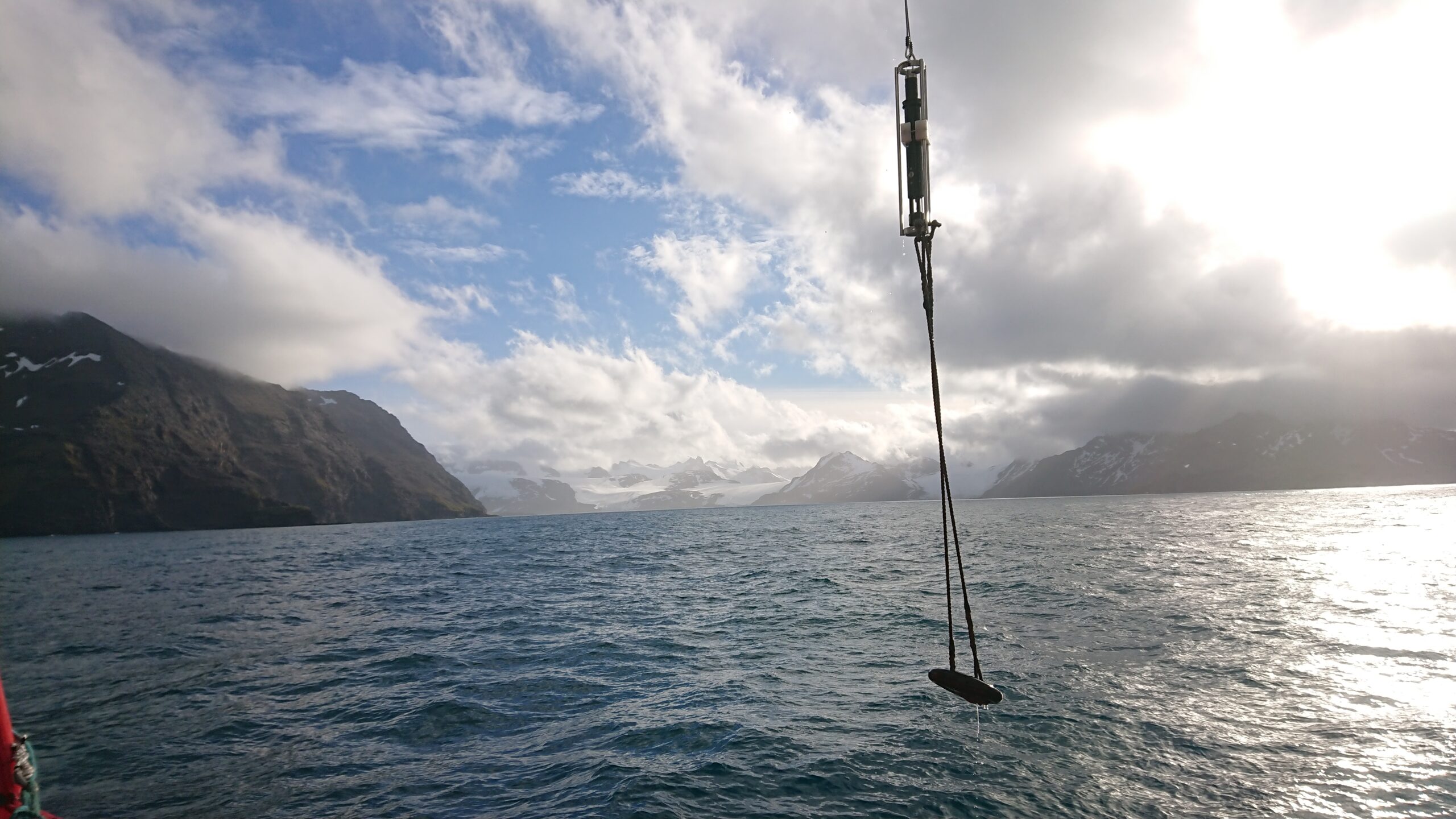
The team collected ocean measurements during a research cruise aboard South Georgia and the South Sandwich Islands fisheries patrol vessel, the Pharos SG in November 2021. Combining these measurements with computer simulations revealed that increased melting from glaciers can flush young fish out to the wider ocean, reducing their chances of survival.
However, powerful warm winds can trap fish larvae inside the fjord, improving their prospects of reaching adulthood.
Dr Zanker said: "The findings highlight how much changes in the ocean affect ecological processes in the fjords. As our climate continues to warm, there could be significant implications for local ecosystems and commercial fisheries."
Marine Protected Area
South Georgia's Marine Protected Area (MPA) - one of the largest in the Southern Ocean - has become a model for marine conservation through regulated sustainable fisheries. Understanding how changing ocean currents impact early-life fish stages provides key information to support effective conservation measures both locally and in MPAs globally.
The research was supported by the Natural Environment Research Council (NERC (INSPIRE-DTP-1), Polar Seafish Ltd and UK Research and Innovation (UKRI) with fieldwork facilitated by the Government of South Georgia and the South Sandwich Islands.
Sub-Antarctic fjord circulation and associated icefish larval retention in a changing climate by Joanna Zanker et al is published in Progress in Oceanography.