
Parliamentary democracy is under severe strain, says Hélène Landemore. Her solution is surprisingly simple: allow ordinary citizens to replace professional lawmakers. On 22 June, she presented her argument for the future of democracy with students and staff in The Hague.
'All real democracy is an attempt (like that of a jolly hostess) to bring the shy people out.' This quote from British essayist G.K. Chesterton inspired Hélène Landemore's ideas on democracy. She is Professor of Political Science at Yale University and Leiden University's current Cleveringa Professor. In her new book Politics Without Politicians, she sets out a proposal to strengthen the realisation of democratic ideals in parliamentary assemblies.
The problem with elections
Landemore argues that elections sustain an oligarchic system in which political and administrative power remains concentrated in the hands of a small group of people. It starts with the people who come forward as candidates: typically, ambitious individuals focused on gaining power. Candidates from this homogeneous group are then elected by voters time and again.
The result is a governing class heavily dominated by people from the high income brackets and education groups: 'Just look at the American Congress, where people are really in the top 1% and you have barely any representation.' Policy is thus shaped not primarily by the preferences of the majority, but by those coming from affluent and well‑organised groups in society.
The solution: civic lotteries
Landemore is not the first to identify these issues. She notes that the Greek philosopher Aristotle claimed that elections contain something fundamentally oligarchic, and that selecting political officials by lottery (sortition) is in essence more democratic. She therefore argues for a system of civic lotteries in which citizens take turns to hold legislative office.
Landemore believes that a system of civic lotteries is the way forward to more fully realising the three classical ideals of democracy: freedom, equality and fraternity. Freedom, in this view, entails not merely voting for representatives, but actively participating in the exercise of political power. 'Citizens get to rule and be ruled in turn,' the professor explains. In this sense, sortition offers a form of political sovereignty that goes beyond merely granting consent to others.
'Equality is the more obvious [ideal],' Landemore continues. 'When you distribute power on the basis of a lottery, everybody has exactly the same chance of accessing power, which you cannot say for elections or self-selection.' And then there's fraternity, friendship or love, as she calls it in her book. A system in which citizens take turns in decision‑making positions strengthens trust, mutual respect and social cohesion. 'When you bring people together on the basis of lot, not on the basis of competition between egos and views, you make room for the type of connection that is totally absent from a competitive environment.'
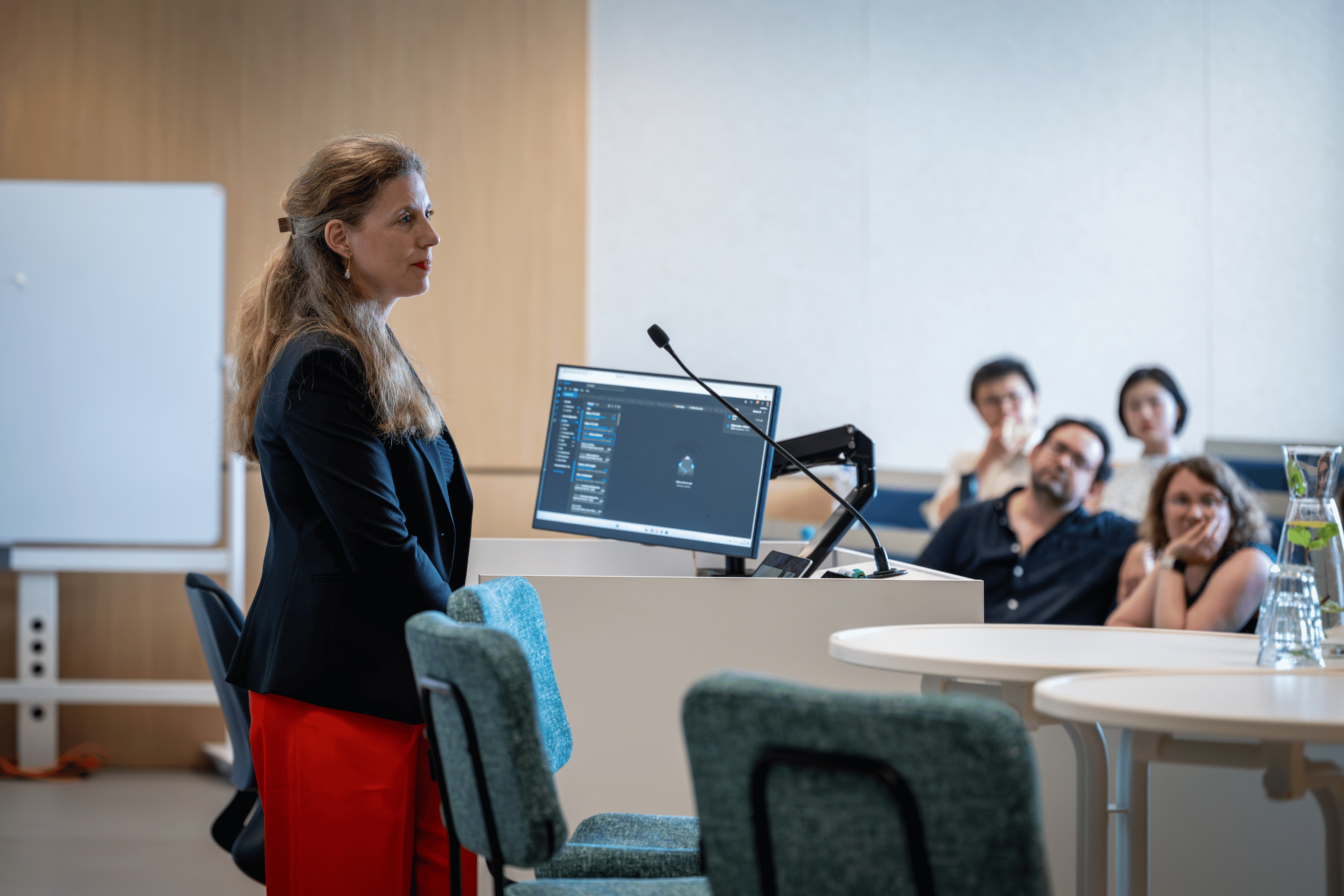
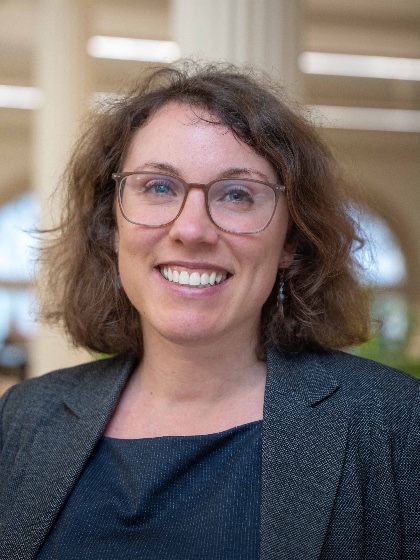
Hélène Landemore 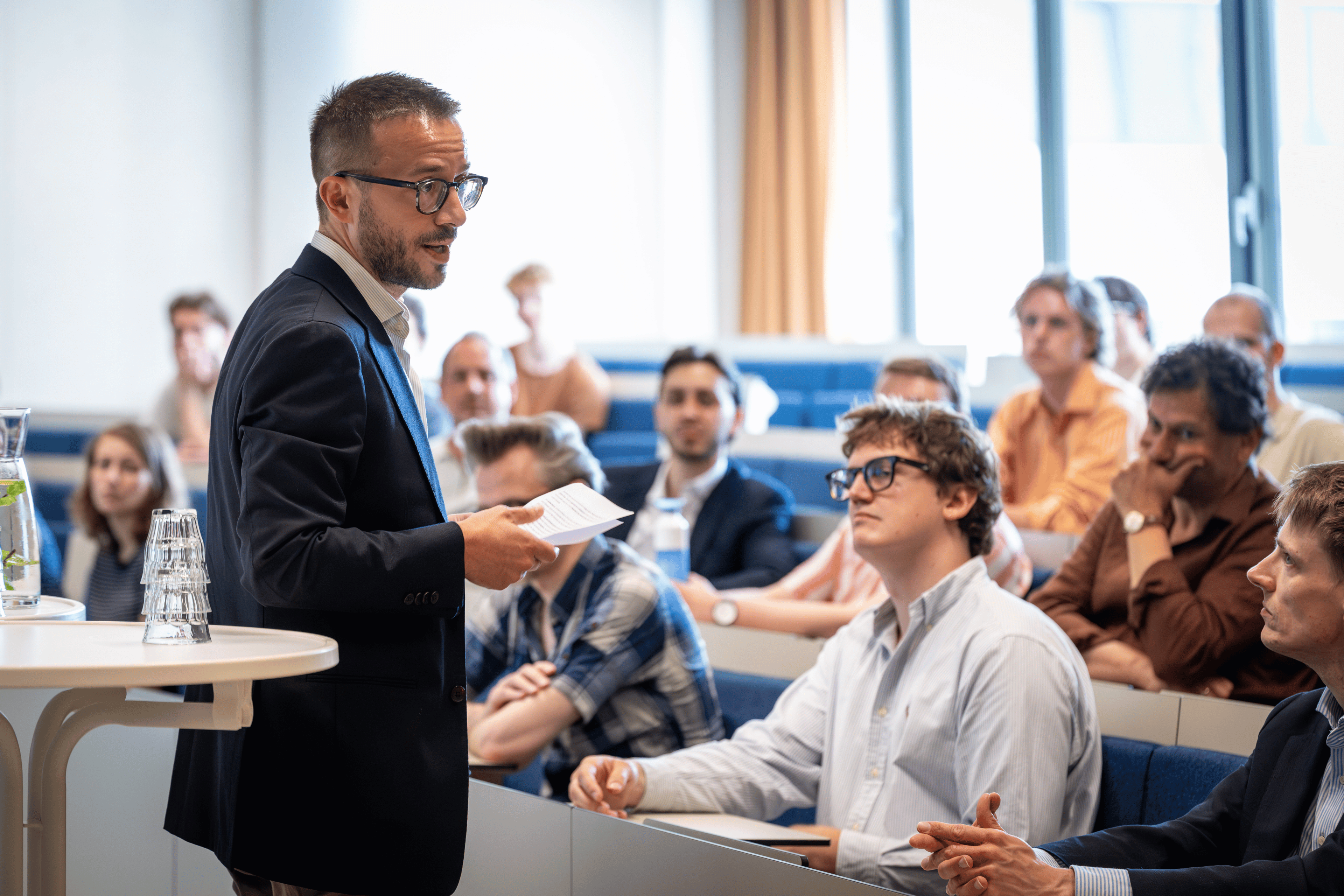
Andrei Poama 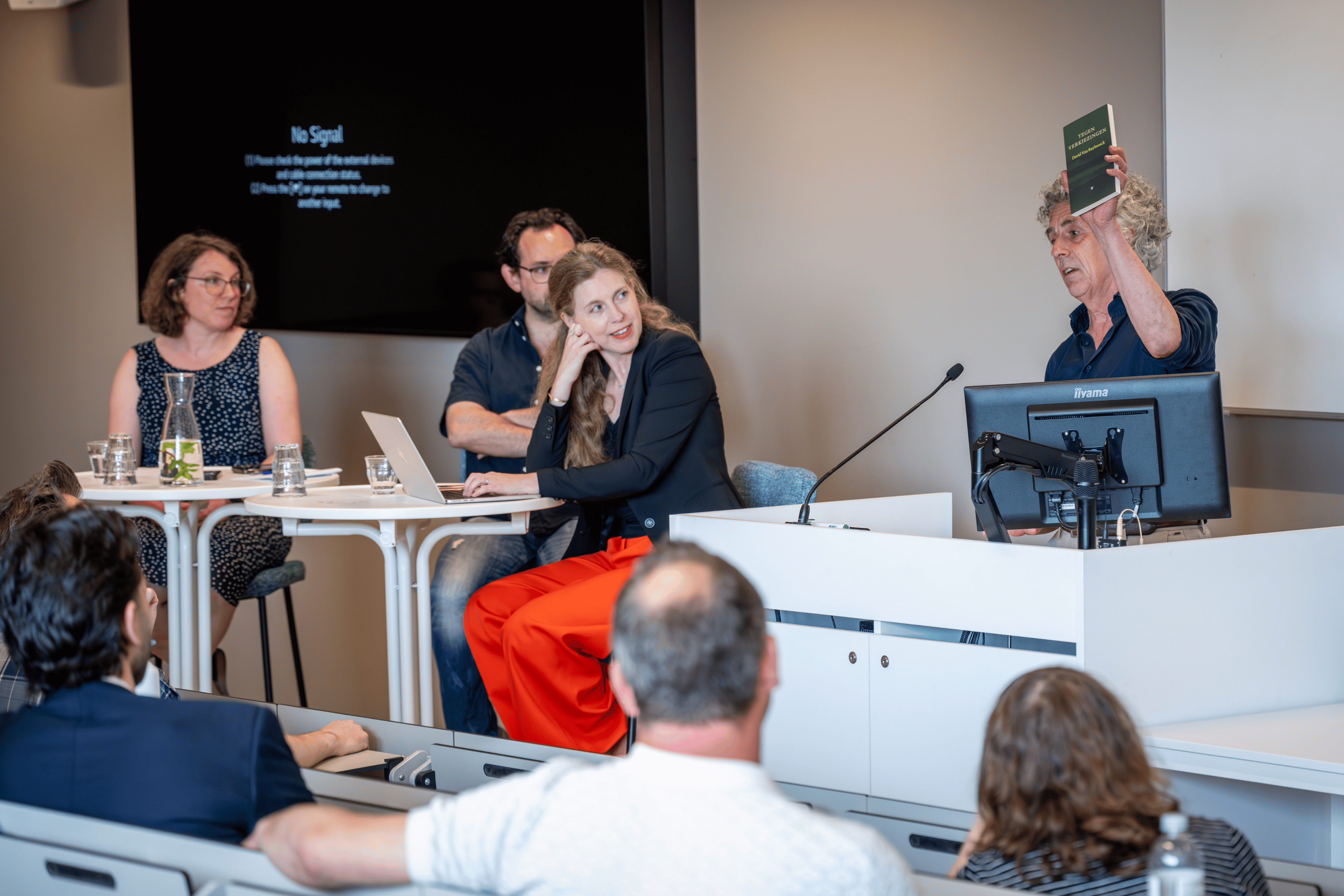
Wim Voermans 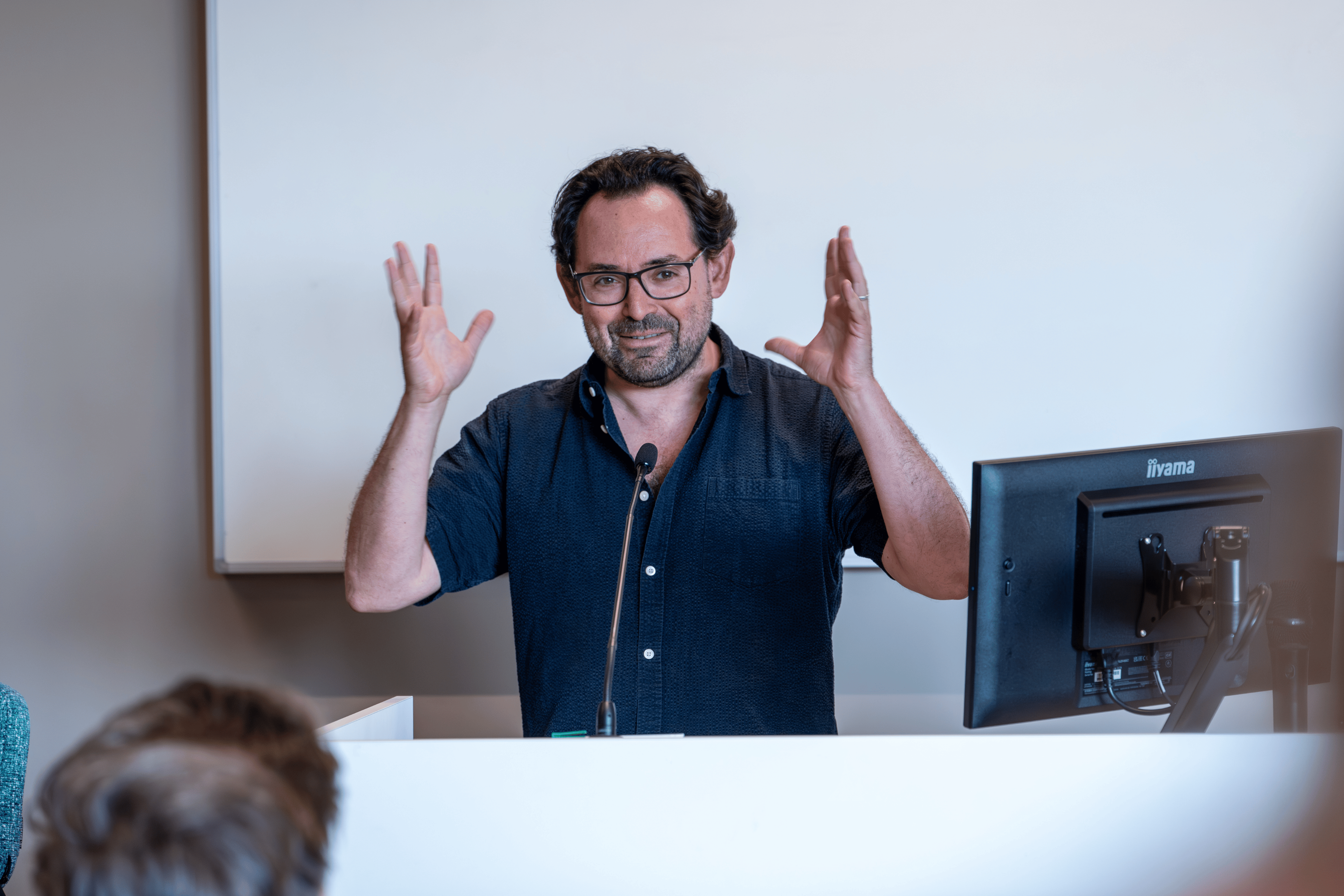
Matthew Longo 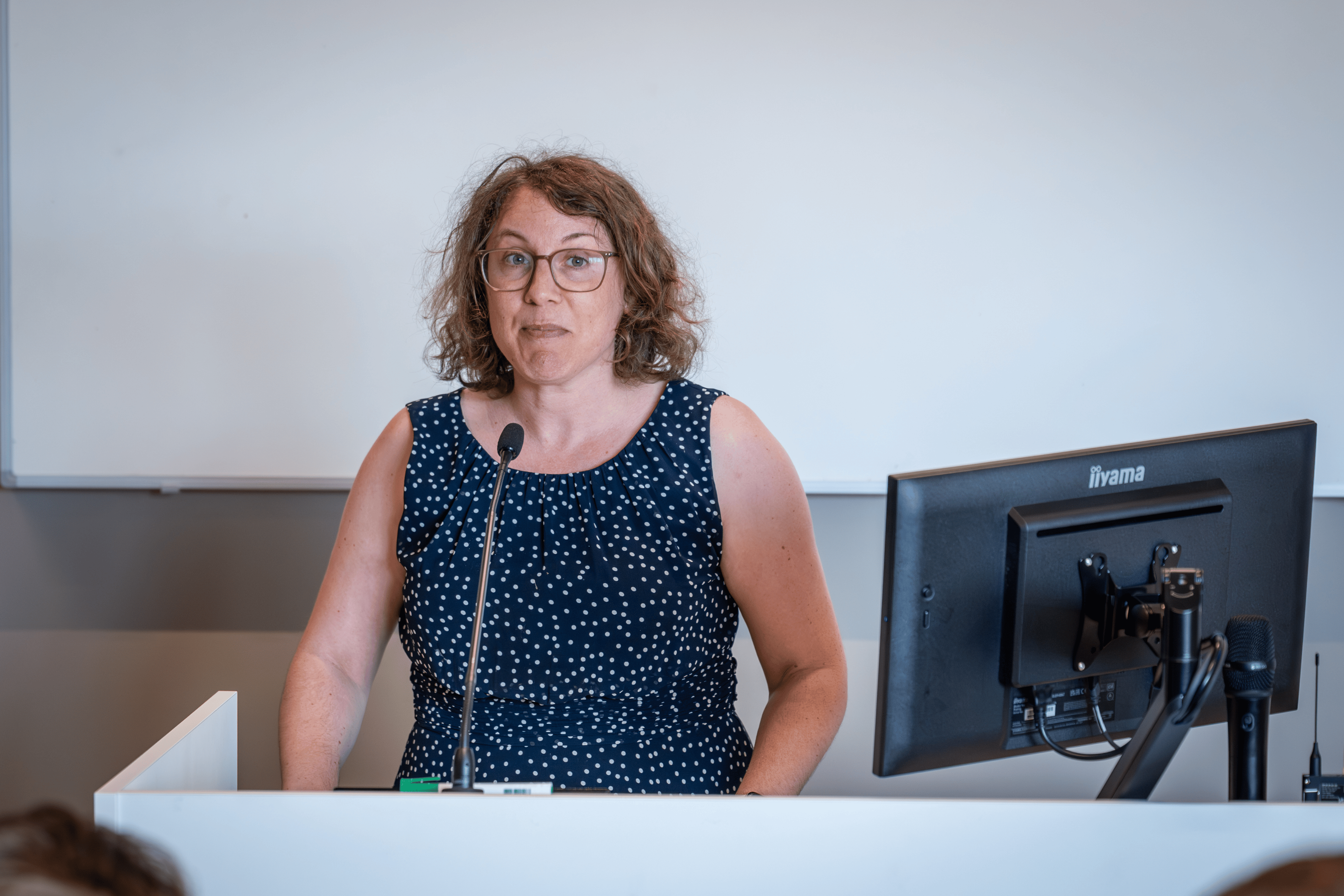
Élise Rouméas 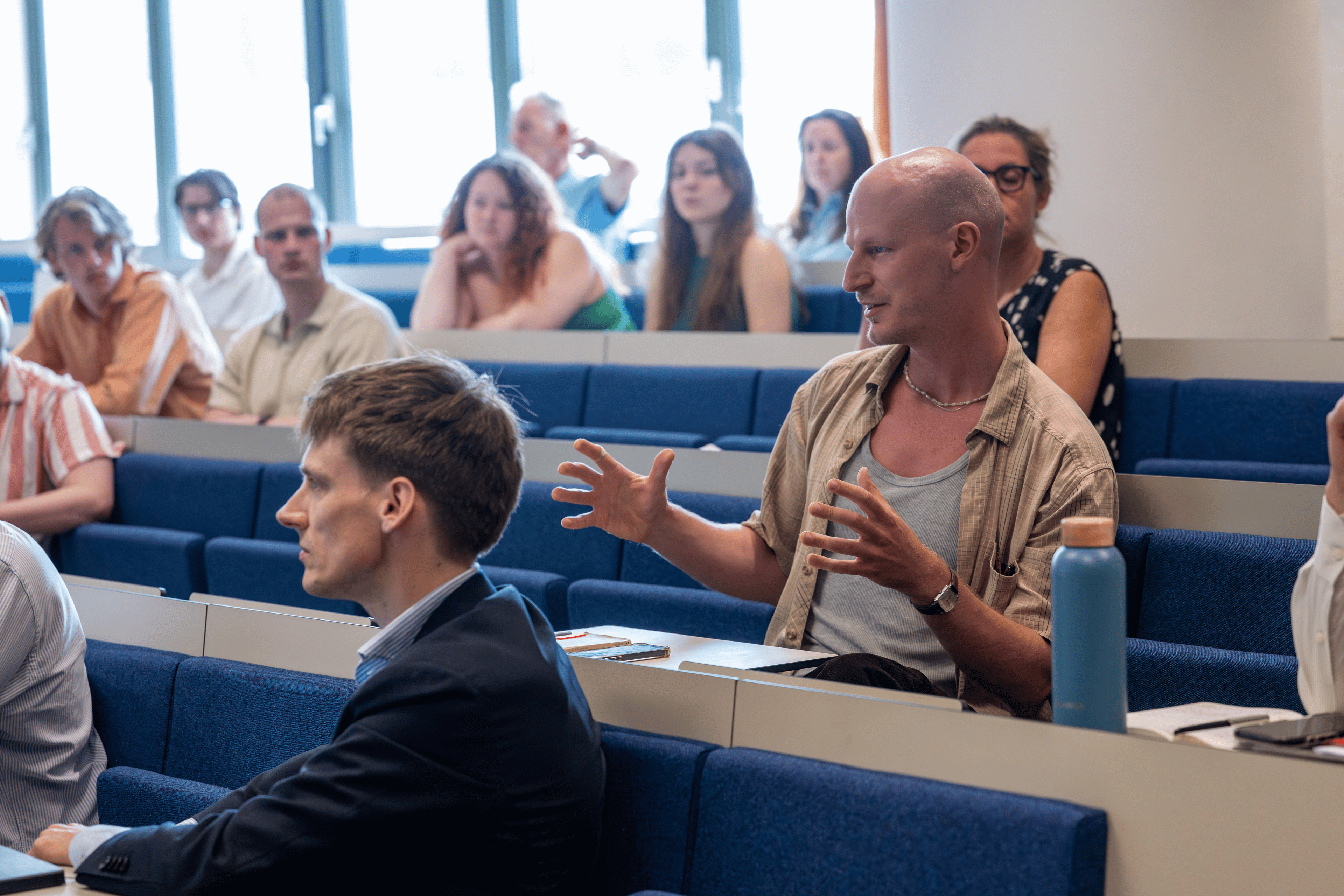
The 'jolly hostess'
Besides classical democratic ideals, Landemore mentions two instrumental arguments. One is the anti-corruption argument: 'Rotation reduces careerism and the sort of incentive for revolving-door arrangements in politicians and lobbies, for example', the professor explains. Sortition also disrupts the concentration of power within small, closed networks in which the same elites continue to succeed one another and hold on to influence. Instead, citizens from much broader segments of society enter decision‑making positions. According to the professor, this greater diversity of backgrounds, knowledge and experience leads to a higher collective problem‑solving capacity.
The most powerful image, Landemore says, is that of the 'jolly hostess'. Whereas academic definitions of democracy typically centre on competition between elites for the people's vote, Chesterton describes it as a welcoming figure who puts people at ease and encourages them to join in the conversation. That is precisely what civic lotteries aim to achieve: designing institutions in such a way that everyone feels included from the outset and has a say.
During Hélène Landemore's visit, panel members Elise Rouméas (University of Groningen), Wim Voermans (Leiden University), and Matthew Longo (Leiden University) took part in a discussion chaired by Andrei Poama (Leiden University). Here are some of their fresh reactions to Landemore's talk:
Élise Rouméas (University of Groningen)
'I like Landemore' s metaphor of the lottery ticket. With sortition, every citizen receives a "lottery ticket": an equal opportunity to participate directly in political decision-making. With elections, every citizen receives the right to vote - an actual but infinitesimal chance of influencing political outcomes. Which one is more democratic? It may also depend on how likely it is that your lottery ticket will actually be drawn.'
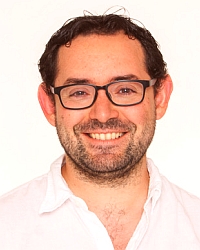
Matthew Longo (Leiden University)
'Sortition offers a new legitimating standard for democracies, notably replacing elections with random selection. This corrects for certain anti-democratic (and specifically oligarchic) tendencies of our contemporary democratic systems. A sortition-based system would replace elite competition as the primary marker of democratic societies and replace it with deliberative assemblies. Given the legitimacy crisis that contemporary democracies face, it's certainly worth giving it a shot.'
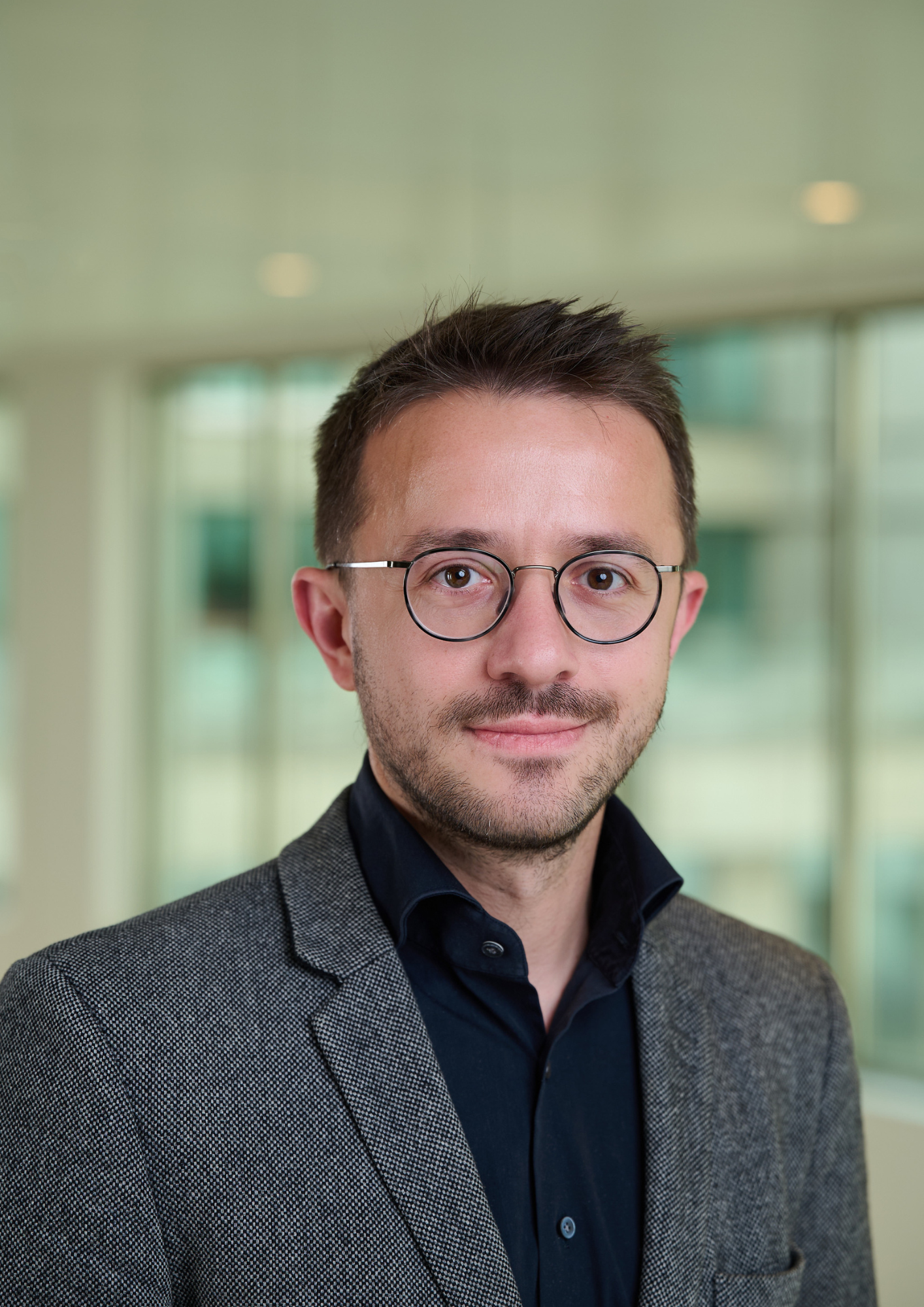
Andrei Poama (Leiden University)
'The meaning of Landemore' s visit and Cleveringa position is clear and testifies to the fact that Leiden University is a globally attractive platform for discussing new ideas and institutional innovations. The talk offers some ideas about how we might reform parliamentary institutitions in the Netherlands - for instance, the Senate - to make them more democratic, but it is a good illustration of the collaboration potential between our faculties around the new "Trust in Polarised Times" research network. This talk gives us a lot to think about and prompts many questions that could be answered through this research network.'
Organisation
The lecture was organised as a collaboration between two faculties at Leiden University - the Faculty of Governance and Global Affairs and Leiden Law School - as part of the new research network Trust in Polarised Times.


