
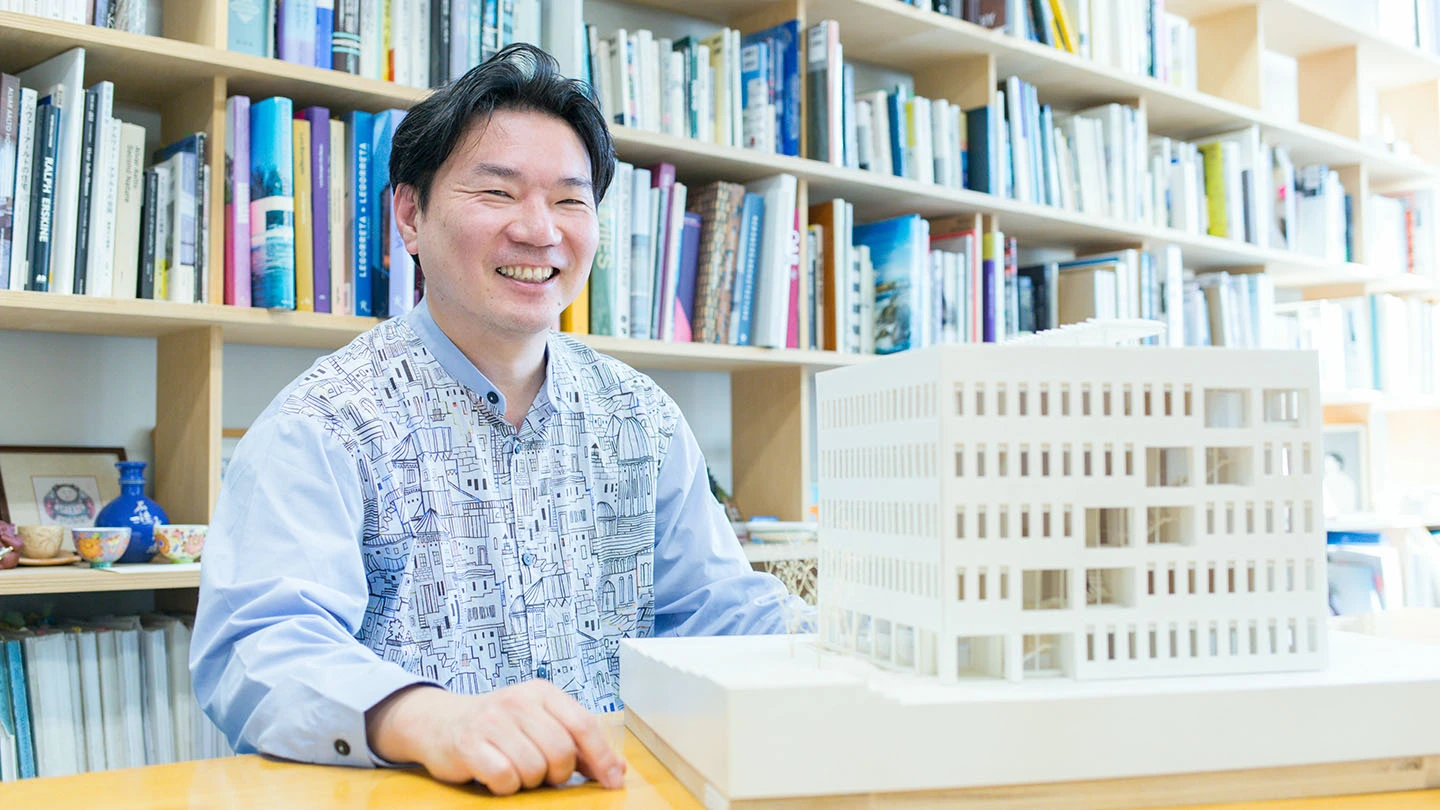
The "architecture" that is essential to our lives. How is architecture created in response to the environment? With such questions as a focus, Associate Professor Ryo Murata of the Department of Architecture and Building Engineering, School of Environment and Society, explores the relationship between history, geography, and architecture while researching the mechanisms of outstanding architecture.
Murata perceives architecture as an essential and natural "environment" that usually goes unnoticed, like air, yet is indispensable and pleasant. He values thinking about and practicing "architecture as environment." The core of this approach is the design method known as "passive design," which harnesses the forces of nature to achieve both comfort and a reduction in environmental impact. In this interview, we asked about his philosophy, as well as the MDX Research Center for Element Strategy on Yokohama Campus, for which Murata was responsible for the architectural design concept, and Institute of Science Tokyo High School Relocation Project* he is currently undertaking with faculty members including those from the Department of Architecture and Building Engineering.
*Institute of Science Tokyo High School, currently located in Tamachi, is scheduled to relocate to Ookayama Campus in April 2027.
What is "passive design"?
"At the core of my architectural design is a methodology known as ‛passive design.' To put it simply, passive design is a method of designing the building itself - the walls, roofs, and windows - in order to effectively utilize environmental elements and natural energy, like sunlight and airflow. It is a method to create attractive relationships between buildings, cities, the environment, and people through architectural design." Murata speaks about his research theme like this.
"Architecture is composed of a multitude of elements. In contemporary society, there is a tendency to break down complex matters into individual elements and devise limited measures for each. For example, it might be an extreme case, but when the goal of 'creating energy-saving housing' is set, a common idea might be to 'make windows as small as possible' to reduce the energy consumption of air conditioners. However, this results in a disconnection between the interior space of the building and its surrounding environment, losing aspects such as the comfort provided by sunlight and breeze felt through the windows. The energy consumption might decrease, but the comfort and sensory stimulation for the people inside the building will be compromised."
In contrast, Murata explains that passive design is a methodology for considering "architectural design that responds to the environment," one that connects buildings and cities with their surrounding environment, and that it is the most important principle in architectural design.
The secret to buildings loved for generations discovered in California
Murata's encounter with passive design dates back to when he was a student at Tokyo Institute of Technology. The catalyst was a field survey he conducted on modern houses in California as a member of the laboratory of Professor Koji Yagi (now Professor Emeritus).
"The surprise at that moment left a strong impression on me. I was moved to see that, despite the fact that each of the homes was built more than half a century ago, all the residents truly love their homes and take great pride in them." Murata reflects, "And so I kept questioning, wanting to know the reason, in pursuit of my own answers."
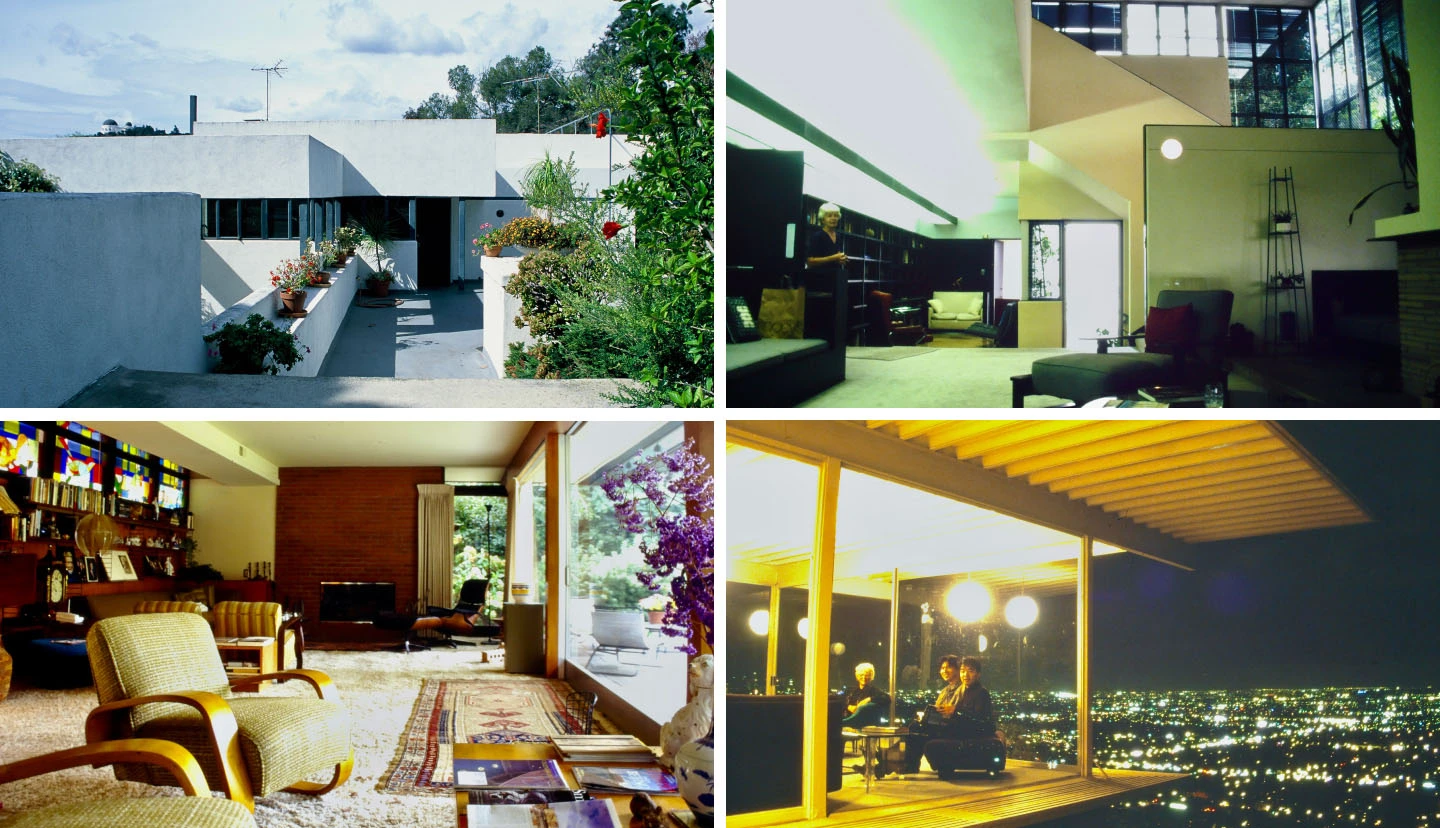
Murata's conclusion was that "it may not be simply the aesthetic beauty or stylishness of the buildings themselves, but rather that the designs may fit California's climate, lifestyle, and local characteristics." Furthermore, while exploring methods and philosophies for integrating buildings with the environment, Murata arrived at the methodology known as passive design.
After completing his master's program, Murata joined the architectural design firm Estec Design, led by architect Yuichiro Kodama (a leading authority in the field of passive design research in Japan). There, Murata accumulated knowledge and experience in passive design from both theoretical and practical perspectives. Subsequently, in 2008, he became an assistant professor at Tokyo Institute of Technology and has continued his academic work to the present.
Passive design at MDX Research Center for Element Strategy
One of the buildings where Murata implemented passive design is the MDX Research Center for Element Strategy, located near the main gate of Yokohama Campus of the Institute. This building was completed in March 2015 as a new research hub focused on materials, with researchers from the Department of Architecture and Building Engineering, School of Environment and Society, taking the lead in advancing the project. In this context, Murata was responsible for the architectural design from concept to realization.
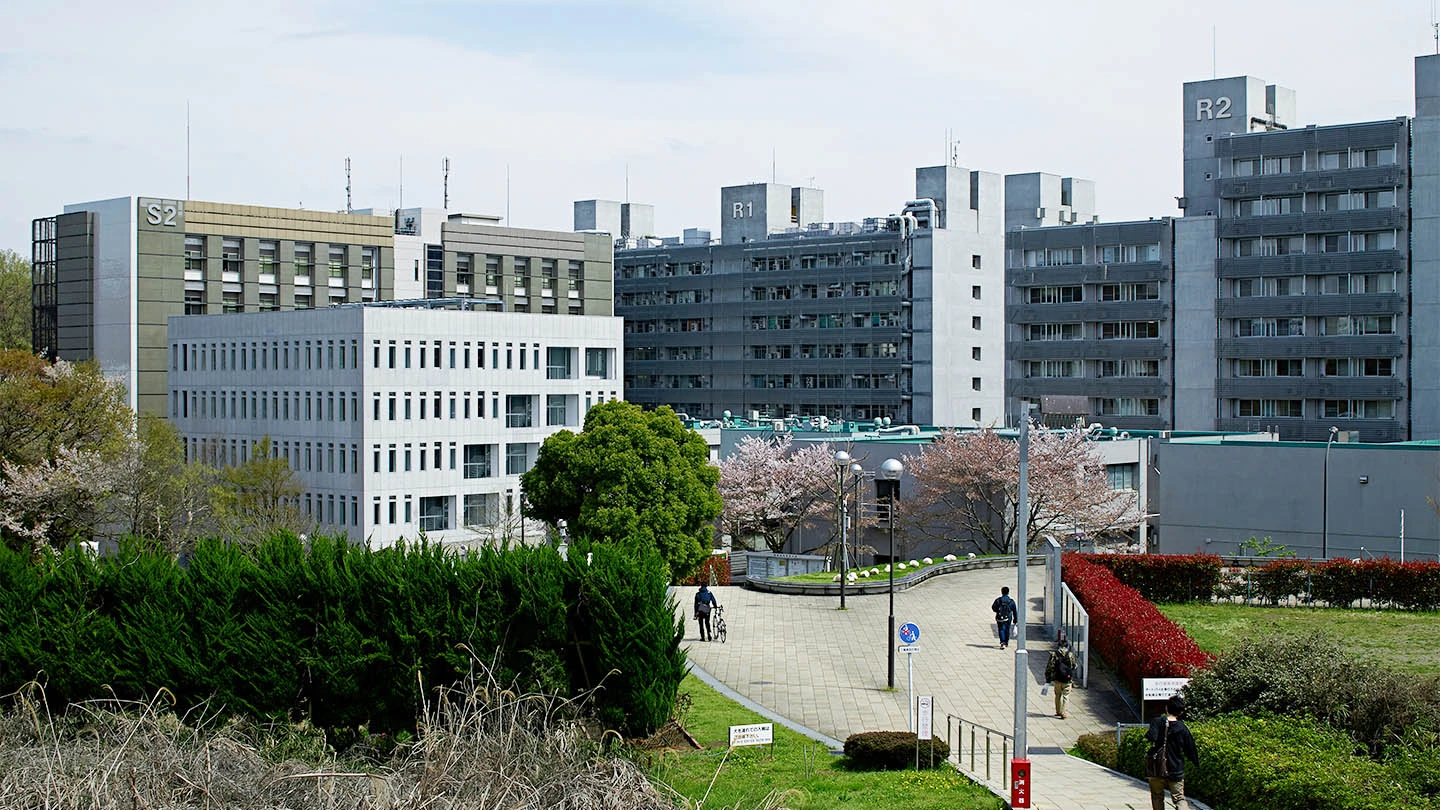
Figure 2: MDX Research Center for Element Strategy located near the main gate of Yokohama Campus
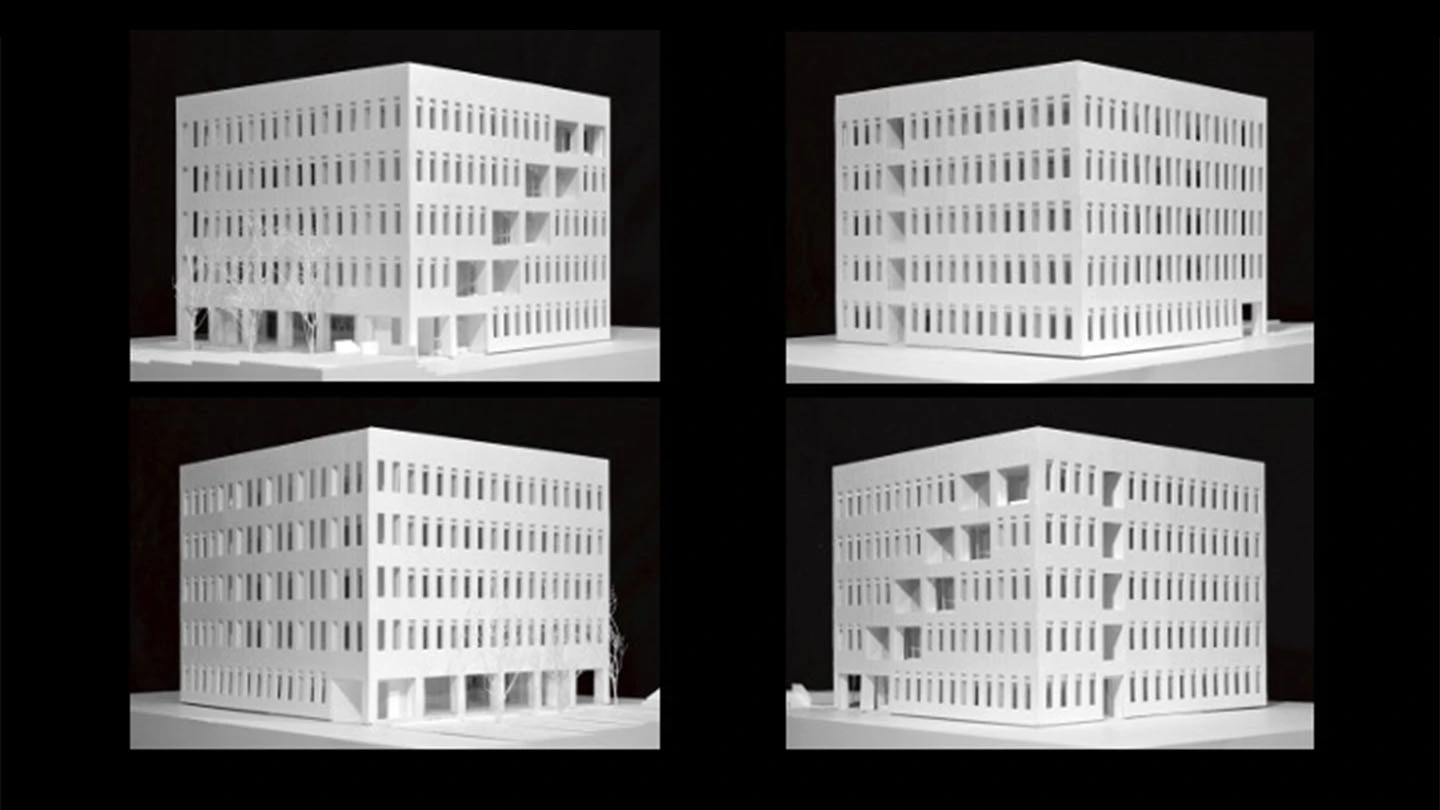
The MDX Research Center for Element Strategy, nicknamed "Genso Cube," characterized as its name suggests by its cubic form, features vertically elongated windows all around its four sides. This design makes it resemble the periodic table of chemical elements. Murata explains the reason for making the building a cube as follows. "A cube is a solid shape that provides the maximum interior volume with the minimum surface area of walls and roof, second only to a sphere. Therefore, it is the most rational form in terms of both the economic aspect of construction costs and the environmental aspect of energy-saving performance."
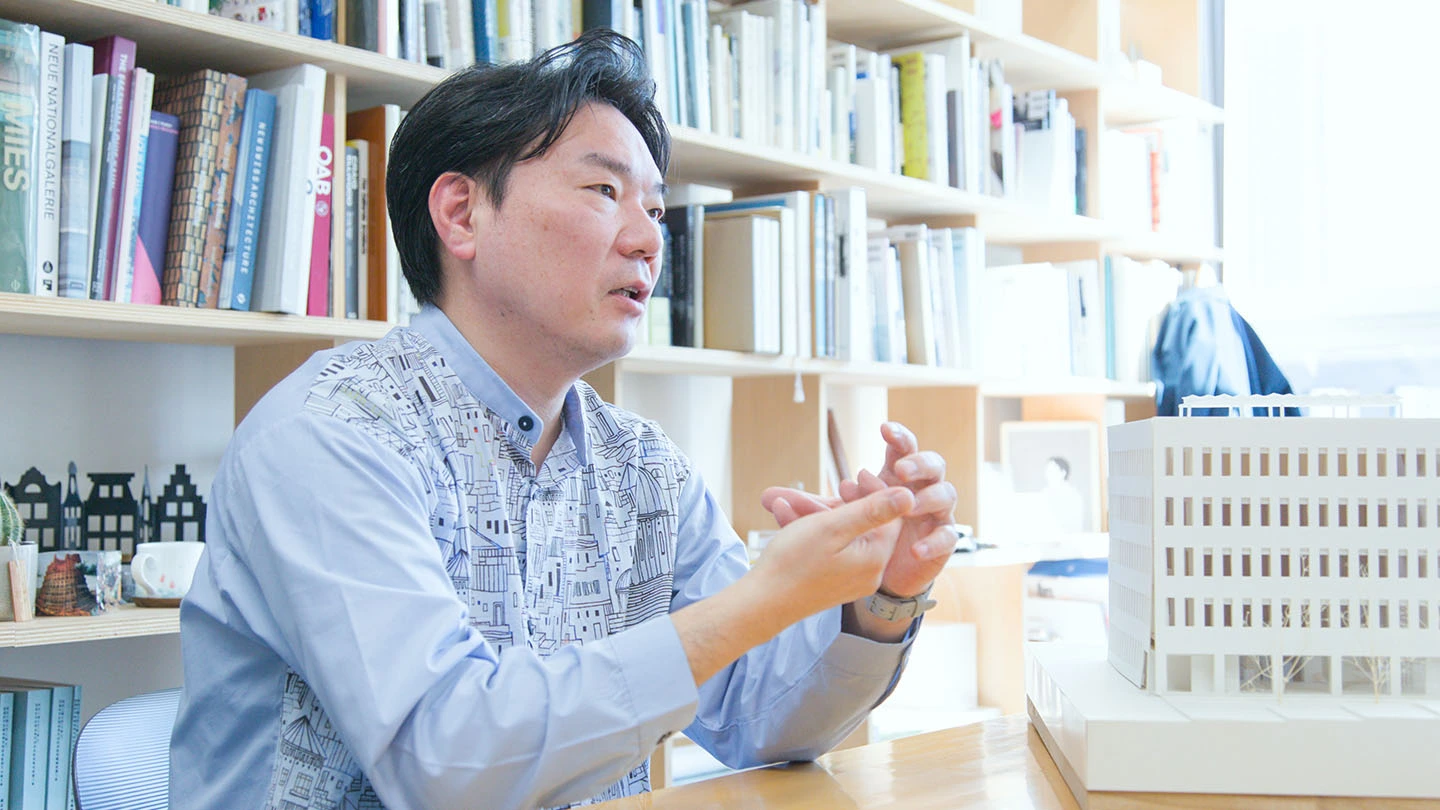
Furthermore, because the building is located near the main gate, the cubic form was adopted as a design choice intended to create a welcoming presence for visitors to the campus. "When considering the orientation of the building on the site and the direction of the sun, it became apparent that if we tried to align the building with the sun's direction, the front of the building would end up facing away from or sideways to the main gate. However, with a cube, you can make any side the front from any angle, so I considered the cube to be the optimal solution."
In addition, by arranging vertically elongated windows at equal intervals on all four sides - north, south, east, and west - the design creates an impression that every side appears to be the front. "However, upon closer inspection, you will see that large windows are arranged in vertical, horizontal, and diagonal sequences from the ground floor to the top floor. Such window placement is designed to respond to the relationship between the building's orientation and the sun, as well as the intended use of the rooms within the building. They achieve 'passive design' by understanding the characteristics of fundamental architectural elements such as 'cubes' and 'windows' and making them interact with the surrounding environment."
Passive design reflects "onko chishin"
Murata states, "In fact, passive design is a way of applying the architectural wisdom that has been practiced since ancient times to modern architecture; it is, so to speak, the concept of 'onko chishin,' or learning new things by studying the past. A typical example of this is the townhouses in Kyoto."
Traditional townhouses in Kyoto feature a courtyard, with the building structures completely surrounding it. The presence of a courtyard allows for access to sunlight and wind, even in densely built urban areas. Buildings resembling Kyoto's traditional townhouses can be found worldwide, and residences featuring such architecture with a courtyard enclosed by these buildings and walls are referred to as "Courtyard houses."
"On the other hand, when I embarked on my doctoral thesis, I thought, 'Isn't it possible that there isn't always one optimal solution that applies everywhere and at all times, even with the traditional architectural form of a courtyard house?' This led me to research the evolution of the courtyard house in post-war Japan. As a result, as we move closer to the modern era, it has been observed that courtyards are being created not only on the ground level but also on the second floor or rooftops, adapted to their respective environments. Additionally, they have evolved into semi-open forms that are slightly open to the outside rather than being completely enclosed. Based on those research results, the work designed is called 'Courtyard House A.' This is a residence located in the heart of Tokyo, featuring a passive design with a courtyard and windows that seem like openings within a building with twin gable roofs."
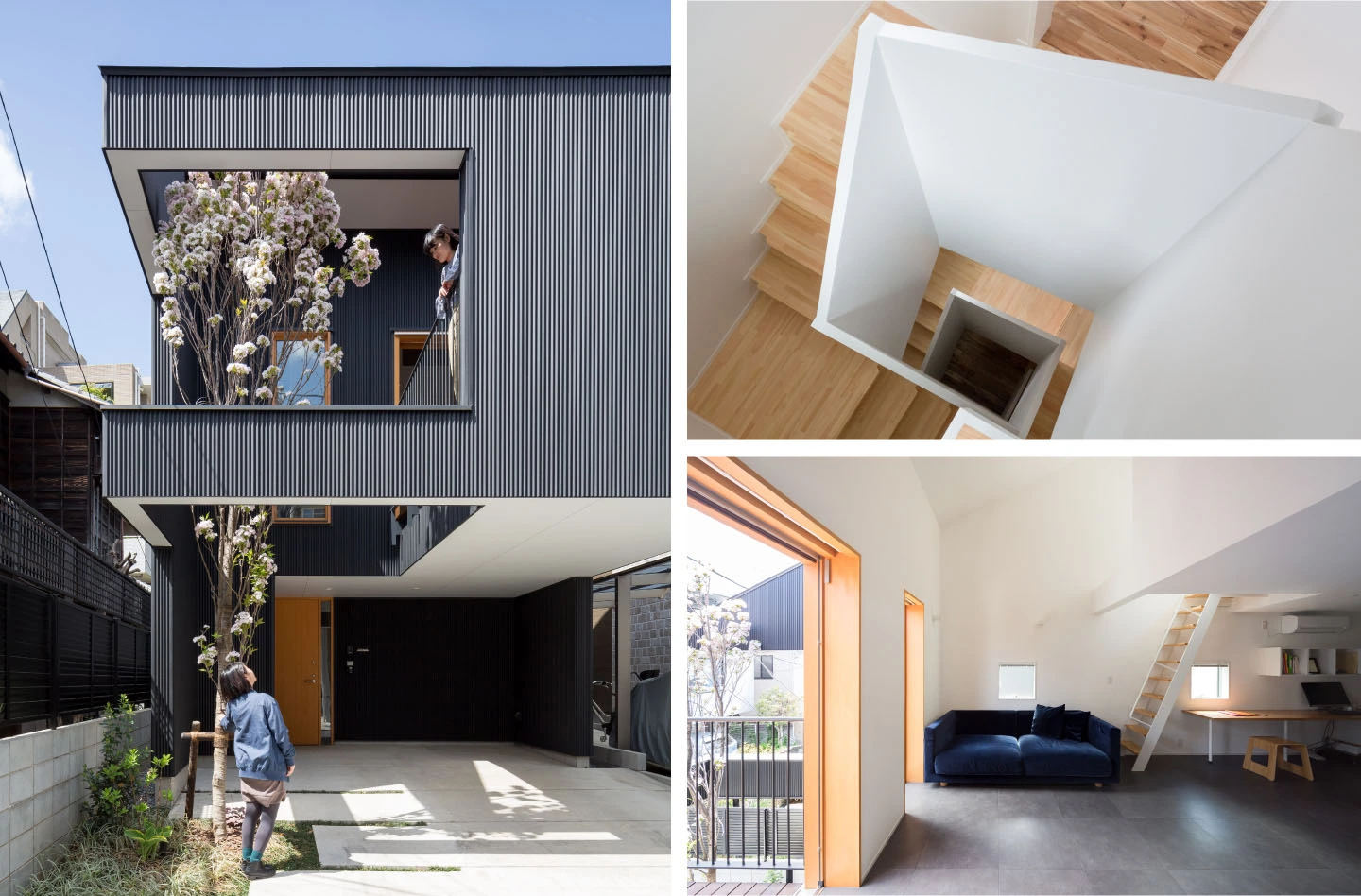
Figure 4: At the center of the house, the stairwell is arranged around a small atrium. In the stairwell, one can experience sunlight and wind entering from the rooftop courtyard and atrium. The walls of the staircase are painted white and also function as light reflectors. On the other hand, cherry trees are planted in the semi-open courtyard facing the road, "sharing the environment with the local residents (Murata)."
Key features of new building at Science Tokyo High School
Currently, Murata is focusing on the relocation project of Science Tokyo High School from Tamachi to Ookayama Campus. The relocation project has been selected by the Ministry of Land, Infrastructure, Transport and Tourism under the " Sustainable Building Promotion Program (CO2 Reduction Promotion Type)." From the Institute's laboratory specializing in architectural design and planning, in addition to Murata, the Yoshiharu Tsukamoto Laboratory and the Naoko Saio Laboratory are participating.
"This high school is the only science and technology-oriented high school affiliated with a national university in Japan. In addition to general subjects, there are five fields: Applied Chemistry, Information Systems, Mechanical Systems, Electrical and Electronic, and Architectural Design. This offers an intriguing experience akin to a miniature version of a university. In designing the new building, we considered a passive design that responds to the natural topography rich in trees and undulations found in the Midorigaoka area of Ookayama Campus."
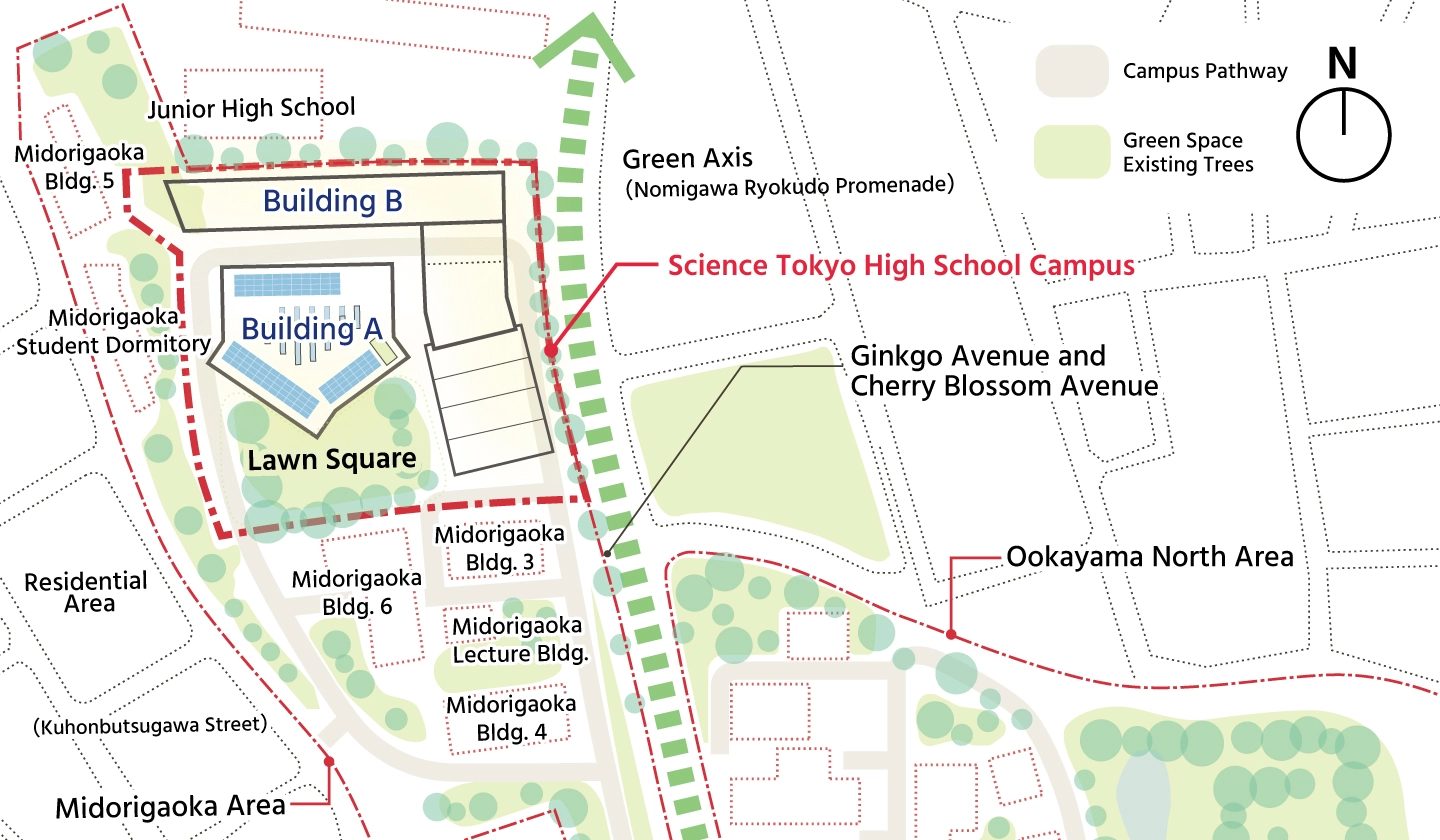
In the new building, the design includes numerous "commons" - spaces resembling verandas or lounges - arranged around classrooms and each specialized field. "Common" means "shared" and refers to a concept that accommodates various learning formats, such as small group learning. The design aims to create a campus where five specialized fields are interconnected and brought together through various common spaces, stimulating the five senses through these encounters. He says, "I hope that high school students will be able to pursue their studies freely in a new school building where passive and active elements are integrated - a passive environment that responds to nature, and one in which students from different specialized fields actively stimulate one another."
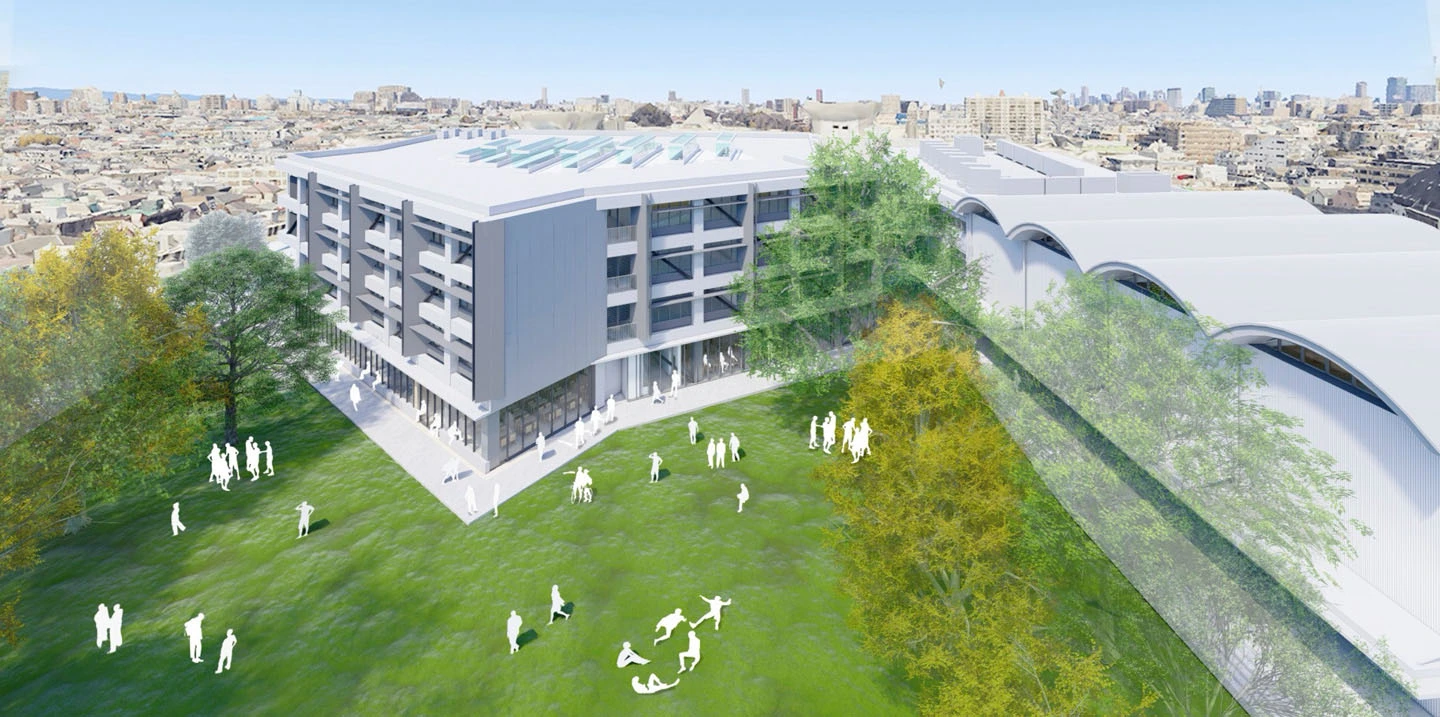
Additionally, Science Tokyo, established in 2024 through the merger of Tokyo Medical and Dental University and Tokyo Institute of Technology, is accelerating medical-engineering collaboration that transcends the traditional academic boundaries of researchers. Murata stated, "For example, in a hospital setting, it is challenging to incorporate passive design into specialized environments like operating rooms, which need to be isolated from their surroundings for hygiene and other reasons. However, in rehabilitation facilities that promote recovery or in relaxation rooms for family and friends visiting patients, passive design can be used to create more open and comfortable spaces." He expressed his enthusiasm by stating, "I would like to explore what we can achieve together in the future."
Importance of adopting perspectives that transcend time and place
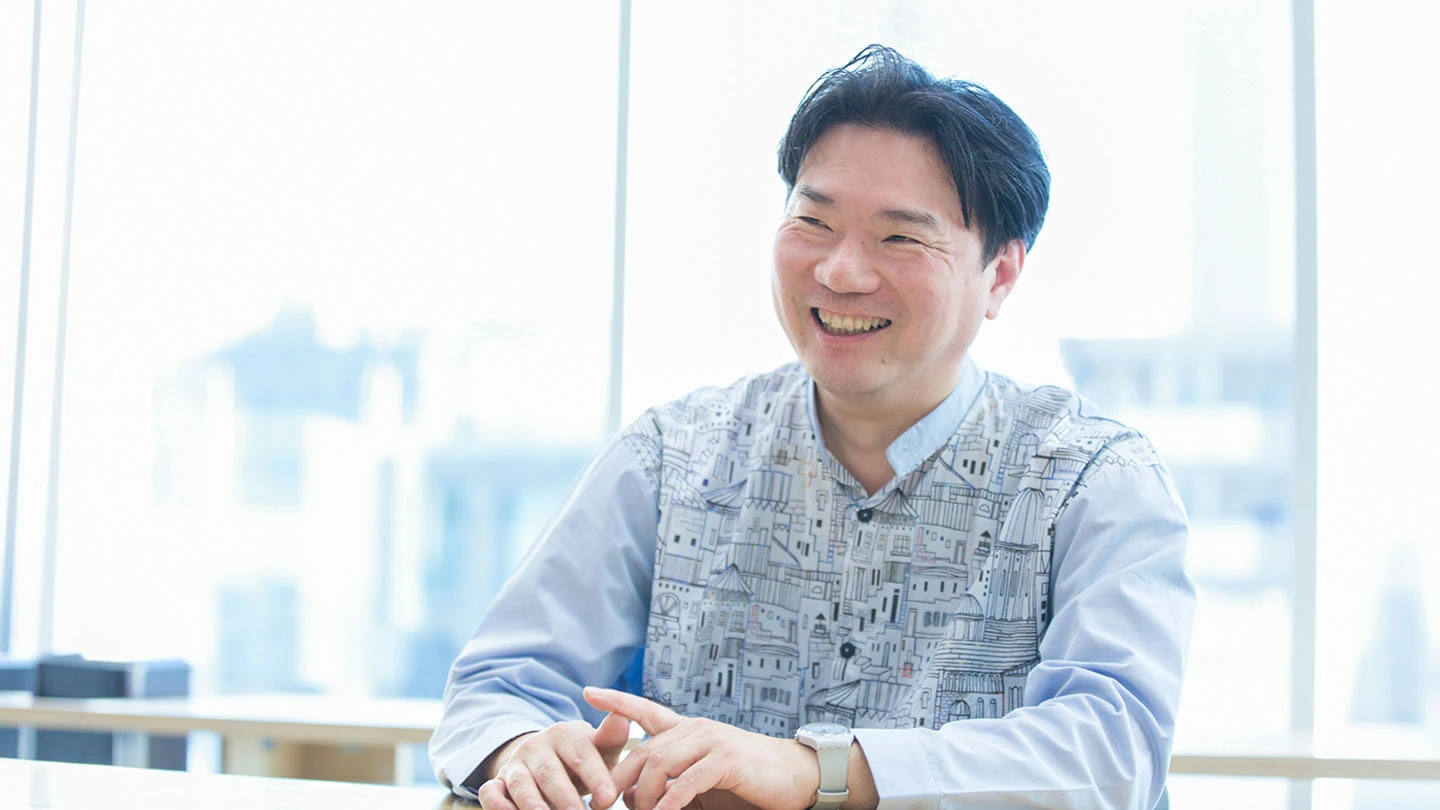
Currently, there are 30 students in the Murata Laboratory, and about 50% of them are international students. Murata says, "Architecture cannot be done by one person alone. Making collaboration with those around us is indispensable. It is important not to be overly constrained by one's own preconceptions and to maintain a mind open to diverse ideas, and I think this is also crucial in environments such as laboratories with many international students."
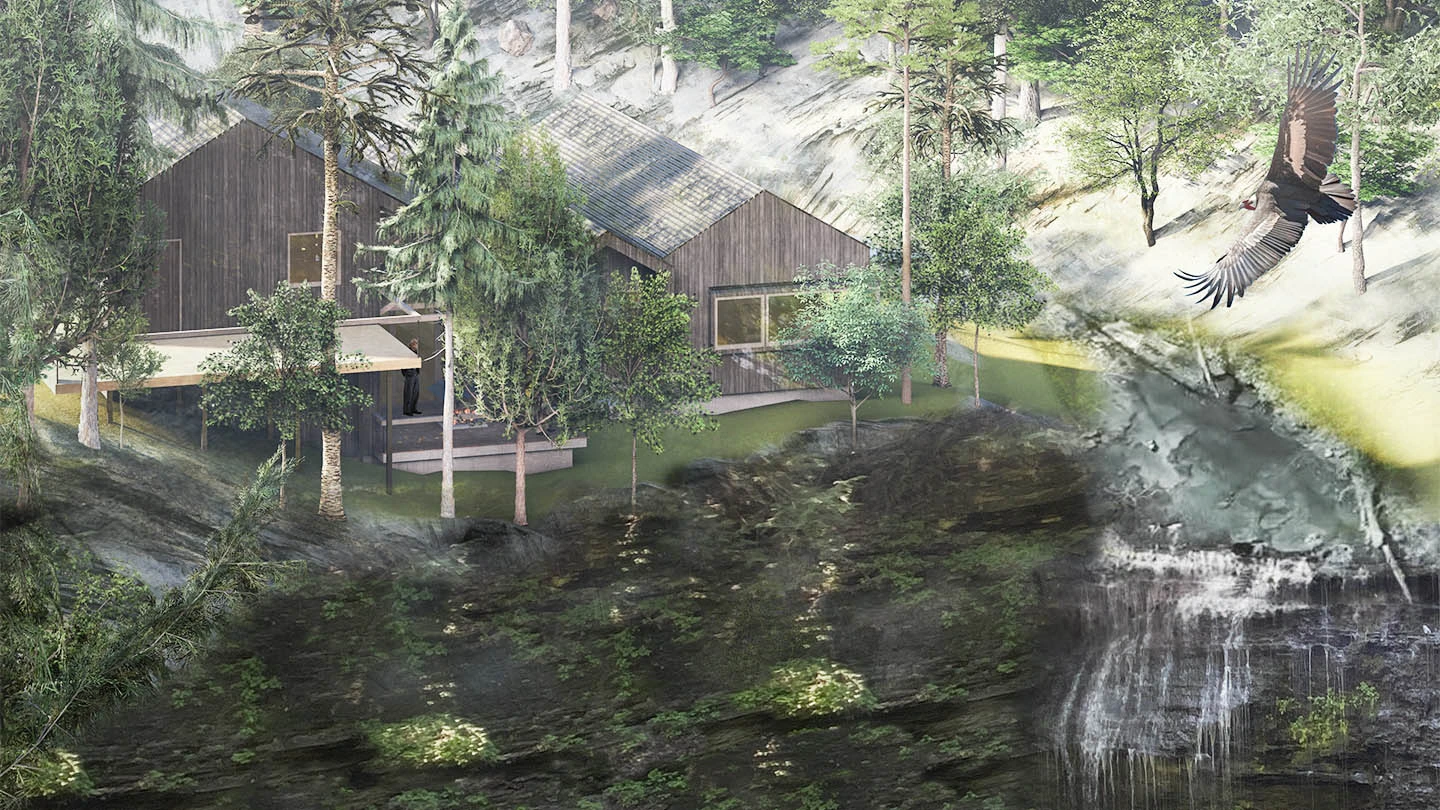
The laboratory participates in various international architecture design competitions in countries such as Kosovo, Morocco, India, Senegal, Iceland, the USA, Portugal, and Italy. "While participating in numerous international competitions, the first step in design is always to conduct research on aspects such as the climate and culture of the region. Currently, we find ourselves in Tokyo in the year 2025. However, since the sites for competitions often present entirely different conditions, we always start by understanding the climate and natural features of the land. We then engage in contemplations on how architecture should evolve in those settings, undergoing a process of trial and error each time. This can be described as having an open mind towards the environment and architecture." Murata says, "I always hope that the students in my laboratory will adopt a perspective that transcends time and place, thinking not only of 'here and now' but also of 'somewhere, sometime,' in relation to the theme of our laboratory, 'Response of Architecture and City to the Environment.'"
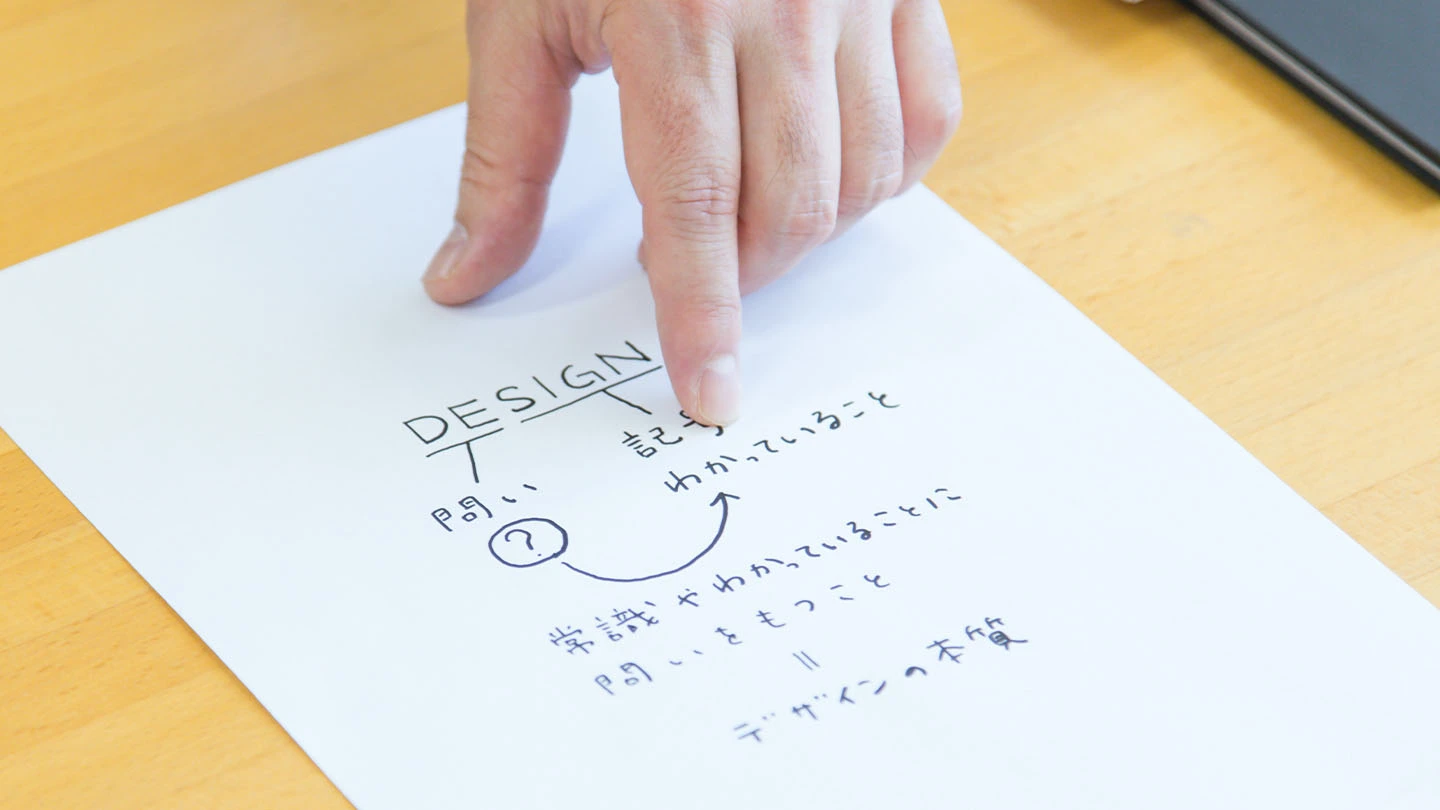
Furthermore, as something that ties into the interpretation of the etymology of the word "design," he has sent the following message to the younger generation aspiring to become researchers.
"Based on my own experience, I believe it is important to constantly ask constructive questions about what you love. The answers to those questions will differ for everyone; I believe it is only by continuing to ask them that you can discover the essence of what is most important to you. I believe there is no single correct answer and it can vary for each person."
Profile
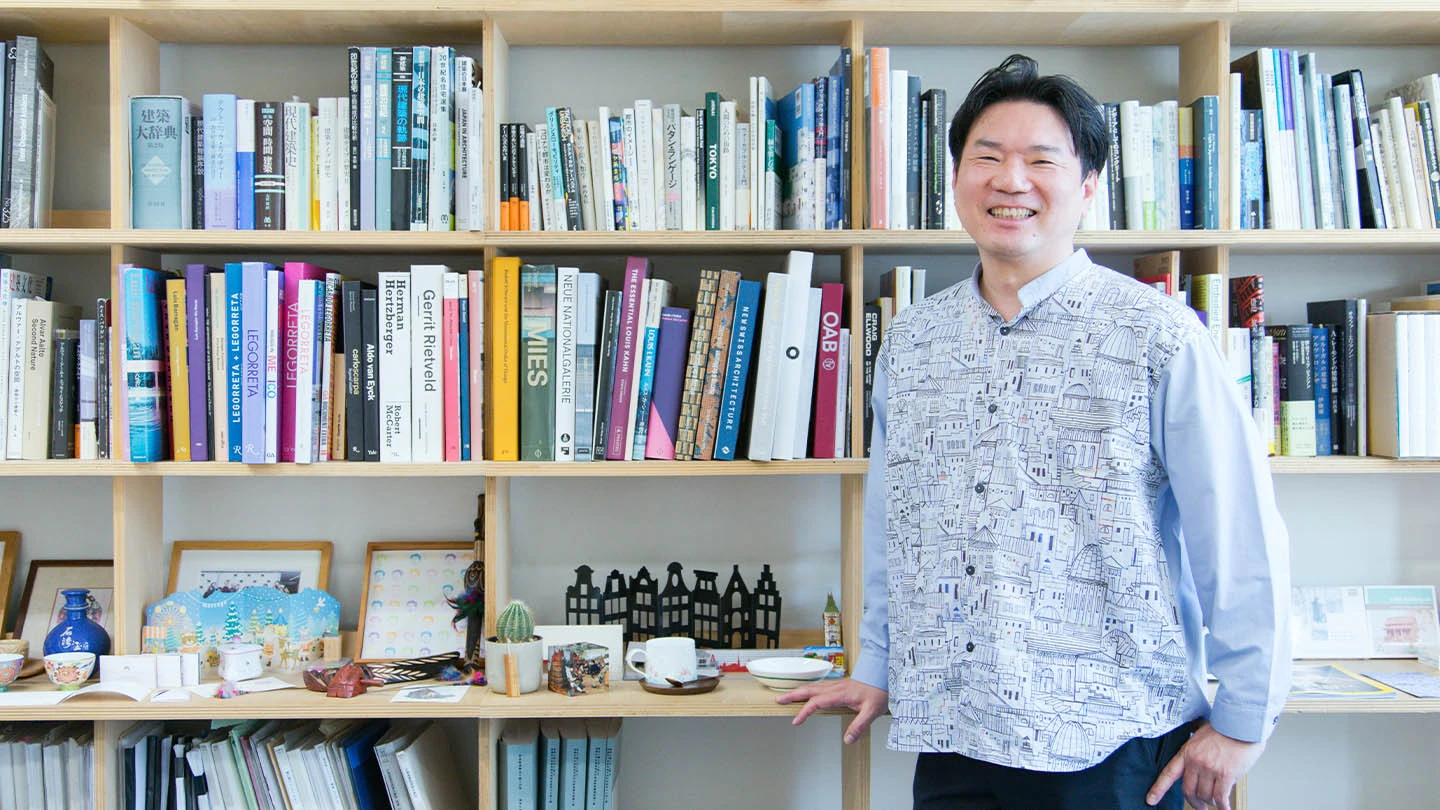
Ryo Murata
Associate Professor, Department of Architecture and Building Engineering, School of Environment and Society
- 2024 to present
- Associate Professor, Department of Architecture and Building Engineering, School of Environment and Society, Institute of Science Tokyo
- 2019 to 2019
- Japan International Cooperation Agency, Egypt-Japan University of Science and Technology, Short-term Expert
- 2016 to 2024
- Associate Professor, Department of Architecture and Building Engineering, School of Environment and Society, Tokyo Institute of Technology
- 2014 to 2016
- Associate Professor in the Department of Architecture and Building Engineering, Graduate School of Science and Engineering, Tokyo Institute of Technology
- 2012
- Dr. of Engineering (Tokyo Institute of Technology)
- 2008 to 2014
- Assistant Professor in the Department of Architecture and Building Engineering, Graduate School of Science and Engineering, Tokyo Institute of Technology (Koichi Yasuda Laboratory)
- 2006 to present
- Special Lecturer, Akita Prefectural University
- 2006 to 2007
- Staff member at Yasuo MURATA architects & associates
- 1999 to 2008
- Staff member at Estec Design
- 1999
- Completed the Master's Program in the Department of Architecture and Building Engineering (Koji Yagi Laboratory), Graduate School of Science and Engineering, Tokyo Institute of Technology
- 1997
- Graduated from the Department of Architecture and Building Engineering, School of Engineering, Tokyo Institute of Technology


