
Tope is one of the UK's largest shark species
They are critically endangered in the wild
The project will use acoustic tracking alongside citizen science data
The funding forms part of Natural England's Species Recovery Programme
Scientists at the University of Portsmouth have won £230k funding to help protect one of the UK's largest shark species, which is also one of the world's most endangered.
Professor of Marine Zoology, Gordon Watson , will lead a project focused on the tope shark (Galeorhinus galeus), a species listed as critically endangered on the International Union for Conservation of Nature (IUCN) Red List.
The tope shark can grow to more than 1.5 metres in length, with some individuals reaching nearly two metres. Although found around the world, the species is facing significant pressures from overfishing, as bycatch in other fisheries, habitat loss and other environmental impacts, leading to declining populations globally.
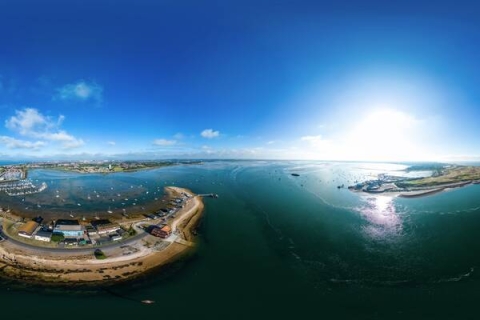
The research team will follow the movements of tope in the Solent and surrounding waters
The project will improve understanding of how tope use habitats around the south coast, helping inform future conservation and management efforts.
Professor Watson, from the University's School of the Environment and Life Sciences and Institute of Marine Sciences, said: "Top predators such as sharks play a vital role in maintaining healthy marine ecosystems. If we lose these predators, the balance of the food web changes. This project will help us understand where tope sharks are spending their time, the habitats they rely on, and how we can better protect them in the future."
The research team will use acoustic tracking technology to follow the movements of tope in the Solent and surrounding waters. By understanding where the sharks feed, breed and spend their time, researchers hope to identify habitats that are vital to the species' survival and provide evidence to support their protection.
The Solent is often thought of as one of the busiest stretches of water in the UK, but it is also home to remarkable wildlife. Many people don't realise that these large sharks are found here and understanding how they use these waters will help ensure they remain part of our marine environment for generations to come.
Gordon Watson , Professor of Marine Zoology
The project will also build on the University's existing CAST (Citizen Angler Science Together) initiative, which works with recreational anglers to collect valuable scientific data through catch-and-release competitions. Combining citizen science with acoustic tracking will provide one of the most comprehensive pictures yet of how tope use UK coastal waters.
The funding has been awarded through Natural England's Species Recovery Programme as part of the government's "Wild Again: Restoring England's Wildlife" initiative to turn the tide for England's wildlife.
Prof Watson added: "The Solent is often thought of as one of the busiest stretches of water in the UK, but it is also home to remarkable wildlife. Many people don't realise that these large sharks are found here and understanding how they use these waters will help ensure they remain part of our marine environment for generations to come.
"No need to worry if you see one though as despite their impressive size, tope sharks pose little threat to humans and are known to avoid people."
The research will contribute to Natural England's wider ambition of supporting species recovery by generating the evidence needed to move threatened species away from the risk of extinction.
Over the past three decades the programme has helped protect over 1,000 species and prevented the national extinction of at least 35 species.
Today's announcement builds on the government's commitment to reverse this decline and meet legal targets set out in the Environmental Improvement Plan, committing to halt the decline in species abundance by 2030 and reduce species extinction risk by 2042 against 2022 levels.
Defra will invest £60 million over the next three years, plus a further £30 million dedicated to species recovery on the national forest estate, bringing the total government commitment to £90 million.
Environment Secretary Emma Reynolds said: "Nearly one in six species in Britain are threatened with extinction and this Government is taking action to reverse that decline.
"Through the largest-ever investment in species recovery, we are backing projects across the country to protect threatened wildlife, restore habitats and secure the future of some of England's most iconic species."
Professor Watson will work with co-principal investigators Dr Ian Hendy from the University of Portsmouth, Professor Kieran Hyder from Cefas, and Ross Honey from Angling Spirit. This work complements the ongoing critical research of the University's scientists on protecting iconic marine species such as stingrays, harbour porpoises and native oysters.


