
Digital tomosynthesis (DTS) is an X-ray technique that provides sectional images with better lesion visibility than conventional chest radiology (CXR), while using for less radiation than CT. Masoud Jadidi will defend his thesis "Evaluation of image quality, radiation dose, and tumor size assessment in chest tomosynthesis" on August 21, 2026 where he evaluates digital thoracic tomosynthesis as a low-dose method in thoracic radiology.
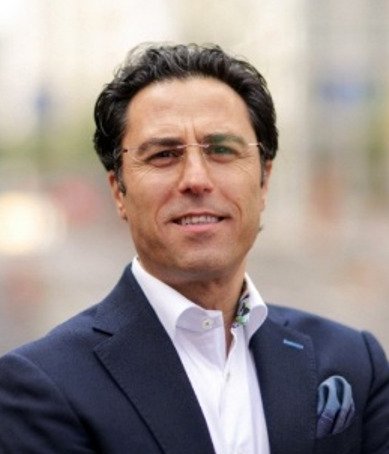
"This thesis evaluates digital chest tomosynthesis (DTS) as a low-dose technique in thoracic radiology. DTS provides sectional images with better lesion visibility than conventional chest radiography, while the radiation dose is significantly lower than with computed tomography (CT). The work investigates how image quality is affected by different acquisition and reconstruction protocols, as well as the possibility of reducing radiation dose without degrading clinical image quality. The results show that optimized DTS protocols, including shorter exposure time and up to 30% dose reduction, can maintain high image quality. Furthermore, measurements of lung tumors/lesions and consolidations with low-dose DTS demonstrate high accuracy and very good inter-observer agreement compared with CT," says Masoud Jadidi , doctoral student at the Diagnostic Radiology group, Department of Molecular Medicine and Surgery.
Which are the most important results?
"The results support DTS as a cost-effective, accessible, low‑dose alternative for diagnosis, follow-up, and potential screening of lung cancer."
How can this new knowledge contribute to the improvement of people's health?
"The thesis shows that chest tomosynthesis can be used with shorter scan time and approximately 30% lower radiation dose without degrading clinical image quality, while size measurements of lung tumours/lesions become as reliable as with CT. This can reduce patients' radiation exposure, improve access to advanced lung imaging, and enable gentler and more cost-effective follow-up examinations and future lung cancer screening programmes."
"Since the technique can be integrated into existing X-ray equipment and requires fewer resources than CT, it may also be particularly valuable in low- and middle-income countries, where limited CT capacity and high costs currently constitute major obstacles to early diagnosis and follow-up; by implementing DTS, these countries can achieve better survival in lung diseases, more equitable healthcare, and more efficient use of limited healthcare resources."
What are your future ambitions?
"My future goals are to continue developing and promoting the use of optimized, low-dose digital chest tomosynthesis (DTS) within thoracic radiology, both through clinical implementation and methodological development. I aim to integrate DTS into the follow-up of lung tumors/lesions and consolidations, as well as into future lung cancer screening programs, so that more patients can receive safe, cost-effective, and more accessible imaging diagnostics with lower radiation dose."
"An important goal is also to contribute to international guidelines and education, so that the technique can be used in a standardized and evidence-based way, including in low- and middle-income countries where the need for resource- and dose-saving methods is particularly great," says Masoud Jadidi.
Dissertation
Friday August 21, 2026 at 10:00, Karolinska University Hospital, Solna . The doctoral thesis has been supervised by Sven Nyrén .
Thesis
Jadidi, Masoud (2026). Evaluation of image quality, radiation dose, and tumor size assessment in chest tomosynthesis. Karolinska Institutet. Thesis. https://doi.org/10.69622/32261142


